Four SAU Tandojam researchers named among world's top 2% scientists
Sindh Agriculture University honoured the four at a Senate Hall ceremony, as APP reported 45 NUST researchers on the same Stanford–Elsevier list.
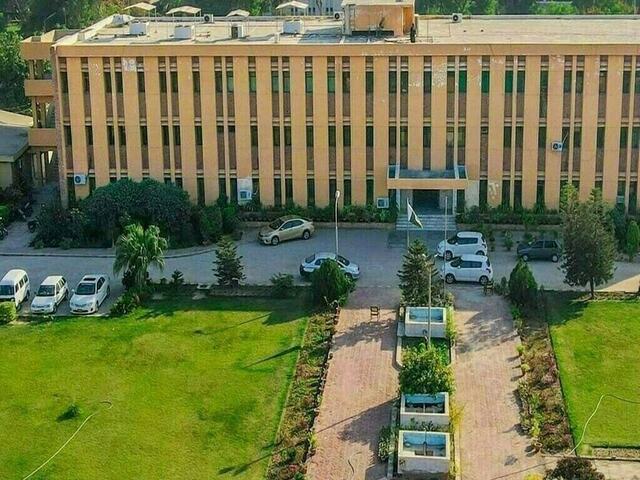
Four researchers at Sindh Agriculture University (SAU), Tandojam, have been named in the Stanford–Elsevier list of the world's top two percent scientists, an entry the university marked with a ceremony at its Senate Hall on Wednesday.
Vice Chancellor Engr Prof Dr Altaf Ali Siyal presented shields to Dr Asghar Ali Kamboh of the Department of Veterinary Microbiology, Dr Liaquat Ali Lund of the Department of Basic and Agribusiness Management at the Khairpur College of Agriculture and Management Sciences, Engr Dr Imran Ali Lakhiar of the Department of Irrigation and Drainage, and Dr Fazal Nabi Shar of the Department of Poultry Science.
In the same rankings, compiled by Stanford University with the publisher Elsevier, 45 researchers from the National University of Sciences and Technology (NUST) in Islamabad were listed among the world's top two percent of scientists for 2026, the Associated Press of Pakistan reported. The SAU account did not specify which edition of the list its researchers appeared in.
Speaking at the Tandojam ceremony, Dr Siyal said research should not be pursued only to obtain academic degrees but should address public problems and answer changing economic, social and climatic conditions. Work at the master's and PhD levels, he said, must produce outcomes that matter to society, and faculty should publish in reputable journals to raise the university's standing and its representation among globally recognised scientists.
The vice chancellor argued that research carried out by foreign institutions and donor agencies did not always deliver lasting benefits to local communities, because those approaches were shaped by conditions and priorities elsewhere. Local researchers, he said, were better placed to understand regional needs and to design solutions suited to Sindh.
He named agriculture, poultry, livestock, agribusiness and information technology as fields with scope for further work, and urged scholars towards under-researched topics aligned with the needs of farmers, industry and society.
Dr Muhammad Ismail Kumbhar also spoke on research, innovation and the university's research culture, and Dr Ghulam Hussain Wagan, director of university advancement and financial assistance, gave a presentation on the four researchers' work and their inclusion in the global list.
A shield was also presented to Dr Habibullah Magsi of the Department of Agricultural Economics in recognition of his academic contributions. Dr Magsi is a recipient of the Higher Education Commission's Best Teacher Award. The four researchers spoke at the event about their fields of study.

Sindh High Court gives lawyers seven days to remove official symbols from cars
Vehicles still carrying green plates, blue lights, flashers or fake government number plates will be refused entry to the high court, the City Court and district courts.
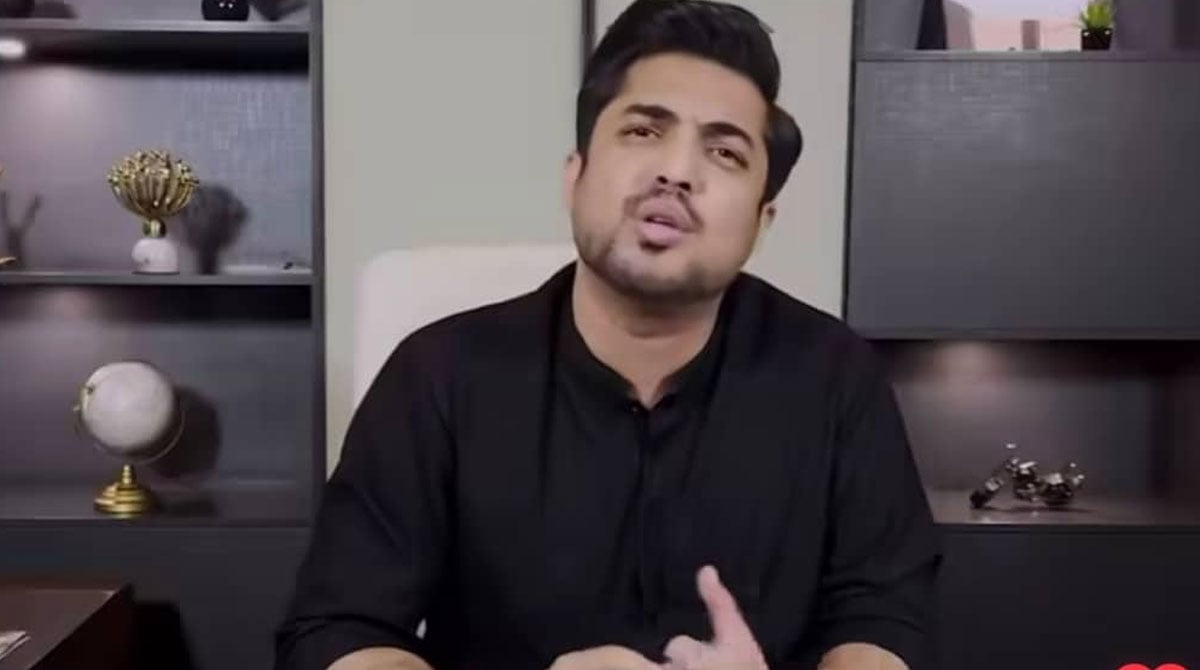
Court grants bail to Iqrarul Hassan in cybercrime case
A Karachi court ordered his release on Rs200,000 surety bonds, three weeks after the NCCIA arrested him over posts on X, Instagram and Facebook.

World Bank approves $150m for Sindh property tax and municipal services
The Sindh Property Revenues Enhancement Program will back urban immovable property tax collection and the service delivery capacity of selected local councils, Karachi foremost.

Sindh forms committee to review local bodies and audit budgets
The panel, chaired by local government minister Nasir Hussain Shah, will examine illegal recruitment and budget irregularities from union councils up to district councils.