K-Electric faces Rs65 billion liquidity gap amid tariff dispute
Banks have recalled Rs30 billion and a Rs35 billion Islamic financing facility has stalled, putting pressure on Karachi's power utility.

Karachi, Pakistan's largest commercial hub and home to more than 20 million people, faces renewed concern over electricity supply after K-Electric ran into a liquidity gap of about Rs65 billion, Minute Mirror reported.
According to the report, commercial banks have recalled around Rs30 billion from the utility and cut or withdrawn existing credit lines. A separate Rs35 billion Islamic financing facility meant for operational requirements has been held up amid regulatory uncertainty. Sources told the outlet that the combined pressure on the company's finances could exceed Rs80 billion when related operational costs are included.
A senior K-Electric official, speaking anonymously, said the company was working under emergency conditions. General procurement has been paused, network expansion has been frozen, and spending is being limited to what is needed to keep the system operating, the official said, according to the report.
The liquidity pressure has developed alongside a dispute over K-Electric's Multi-Year Tariff for 2024-2030. NEPRA announced an average base tariff of Rs39.97 per unit in May 2025 and later, after government review petitions, revised it to Rs32.37 per unit. Dawn reported the regulator set K-Electric's base tariff at Rs32.37. K-Electric has challenged the revised tariff, arguing the lower rate could undermine its ability to maintain and expand the network.
The company has told the Pakistan Stock Exchange that it has not been able to finalise some financial statements because revenue assumptions remain subject to legal proceedings. It has moved the NEPRA Appellate Tribunal and the Sindh High Court. The high court granted interim relief against coercive regulatory action and directed that the company's appeal be heard on priority.
For consumers, the financing losses do not automatically mean a direct surcharge, as electricity tariffs fall under the federal government's uniform tariff framework. Monthly bills can still change through Fuel Cost Adjustments and Quarterly Tariff Adjustments set by NEPRA.
The more immediate concern is system reliability. Sources raised the possibility of load-shedding if financial constraints affect procurement, maintenance and network investment. NEPRA has previously directed utilities to comply with supply rules and taken notice of complaints about discriminatory or unannounced outages.
The report said the outcome of the tariff proceedings could have significant implications for K-Electric's investment and operational planning. For Karachi, with demand still growing, resolving the tariff dispute, restoring financing confidence and protecting consumers from service disruptions remain critical.

Sindh High Court gives lawyers seven days to remove official symbols from cars
Vehicles still carrying green plates, blue lights, flashers or fake government number plates will be refused entry to the high court, the City Court and district courts.
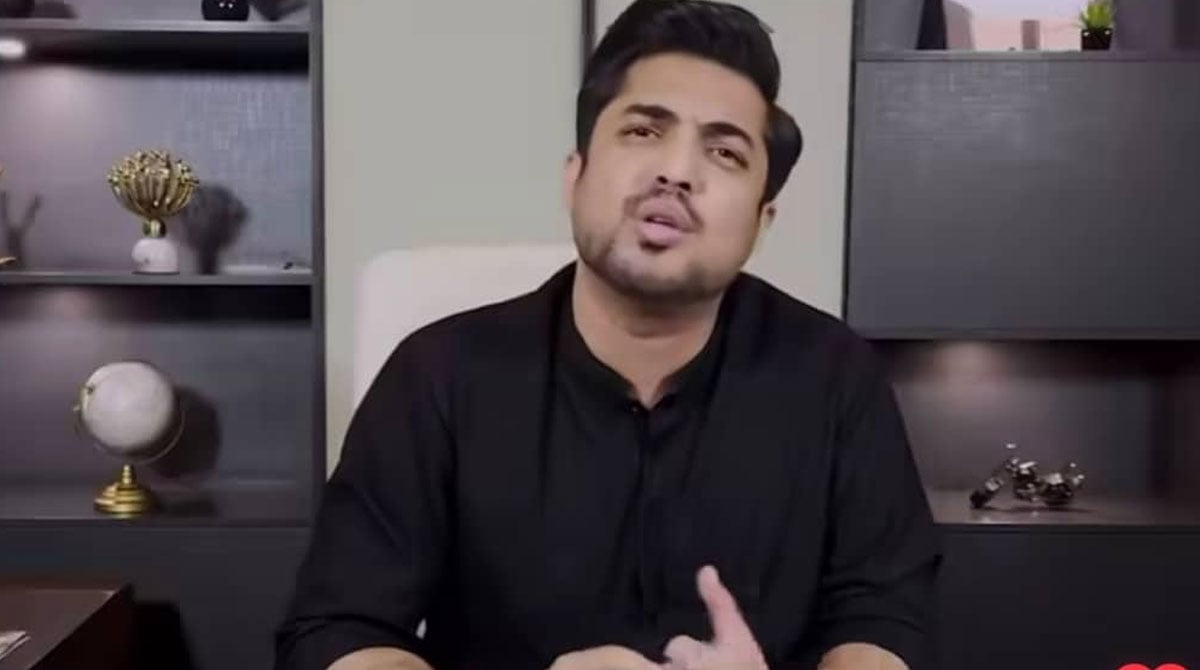
Court grants bail to Iqrarul Hassan in cybercrime case
A Karachi court ordered his release on Rs200,000 surety bonds, three weeks after the NCCIA arrested him over posts on X, Instagram and Facebook.

World Bank approves $150m for Sindh property tax and municipal services
The Sindh Property Revenues Enhancement Program will back urban immovable property tax collection and the service delivery capacity of selected local councils, Karachi foremost.

Sindh forms committee to review local bodies and audit budgets
The panel, chaired by local government minister Nasir Hussain Shah, will examine illegal recruitment and budget irregularities from union councils up to district councils.