Mango growers along Chenab belt face replanting challenge after 2025 floods
The Associated Press of Pakistan reports that floods destroyed large numbers of mango trees across a 380-kilometre riverine belt from Chiniot to Head Panjnad, threatening future production.

The 2025 floods have left mango growers along the Chenab riverine belt facing a difficult replanting effort, the Associated Press of Pakistan reported on 23 September. The floodwaters destroyed or washed away large numbers of mango trees across a stretch of nearly 380 kilometres from Chiniot to Head Panjnad, an area once marked by continuous rows of mango orchards.
According to the APP report, the belt was a familiar sign of the region's agricultural wealth before the floods. The damage has created uncertainty about future mango production in the area, and growers now have to bridge a production gap by replanting trees. New mango trees take several years to mature and bear fruit, making recovery a long-term process.
The report, filed from Multan by APP correspondent Muhammad Atif Ismail, describes replantation as the central challenge in the river Chenab belt. It does not provide figures on the number of trees lost or the estimated cost of replanting. The 2025 floods caused widespread agricultural damage across Punjab, and the Chenab mango belt is among the areas still assessing long-term losses.
Mango is a major cash crop for southern Punjab, and the riverine belt has historically supplied a significant share of the country's mango production. Any prolonged drop in output from this area could affect national supply and export volumes, though the report did not quantify the expected shortfall.
The APP report said the floodwaters not only swept away trees but also erased much of the orchard landscape that once defined the region. Replanting orchards requires saplings, land preparation, and irrigation on top of losses already suffered by growers. The report did not outline any specific government support measures for growers.

Punjab Safe Cities Authority rolls out QR panic buttons in government hospitals
Scanning the code at a government hospital connects patients to Helpline 15, a live chat or video call, and to the Safe City virtual blood bank.

Fakhar Zaman's 127 sets up Pakistan's tri-series final win
Pakistan chased 326 with nine balls to spare at Gaddafi Stadium after losing Babar Azam for a five-ball duck inside the first four overs.
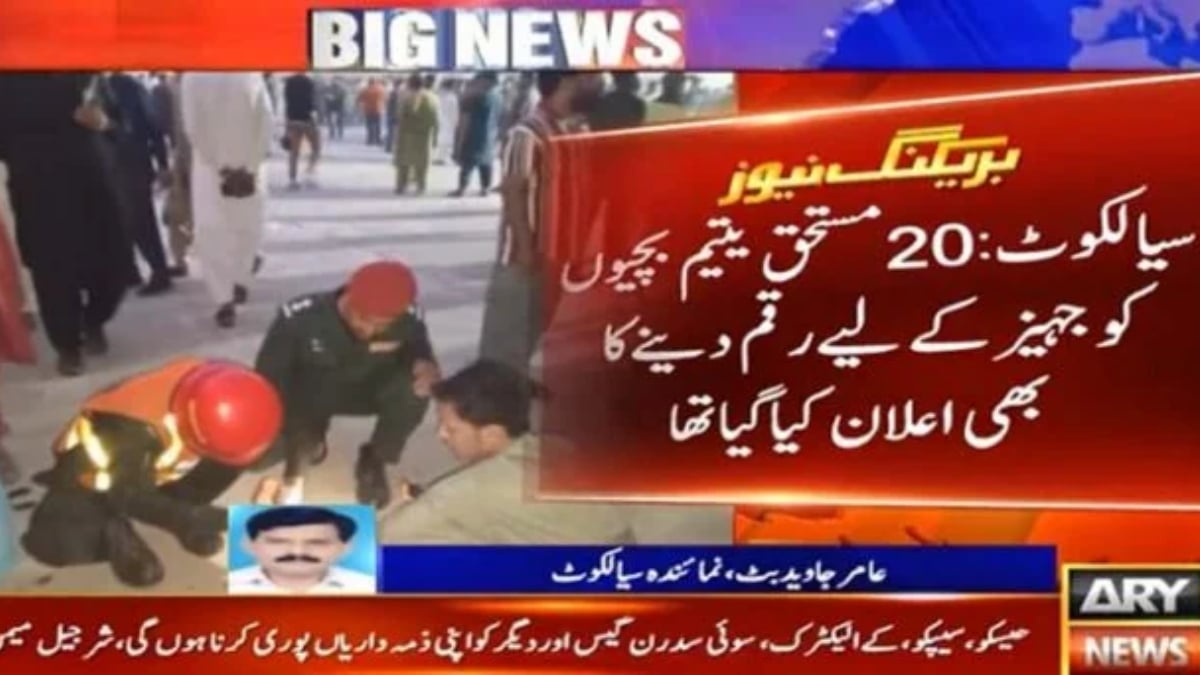
One dead, 14 injured in Sialkot mehndi ceremony stampede
Crowd surged when gates opened at Faraz Cricket Ground on Daska Road, where TikToker Muhammad Ansar Jatt was to give away 50 motorcycles, a car and cash.

Punjab Assembly speaker rejects unilateral suspension of Indus Waters Treaty
Malik Muhammad Ahmad Khan says the treaty's status must be decided under international law, as Dunya News reports the attorney general vowing to continue the legal fight with India.