Pakistan takes G-24 chair, Aurangzeb presses for financial reform
The finance minister named three priorities for the chairmanship: development-led growth, stronger representation for developing economies and changes to the international financial architecture.
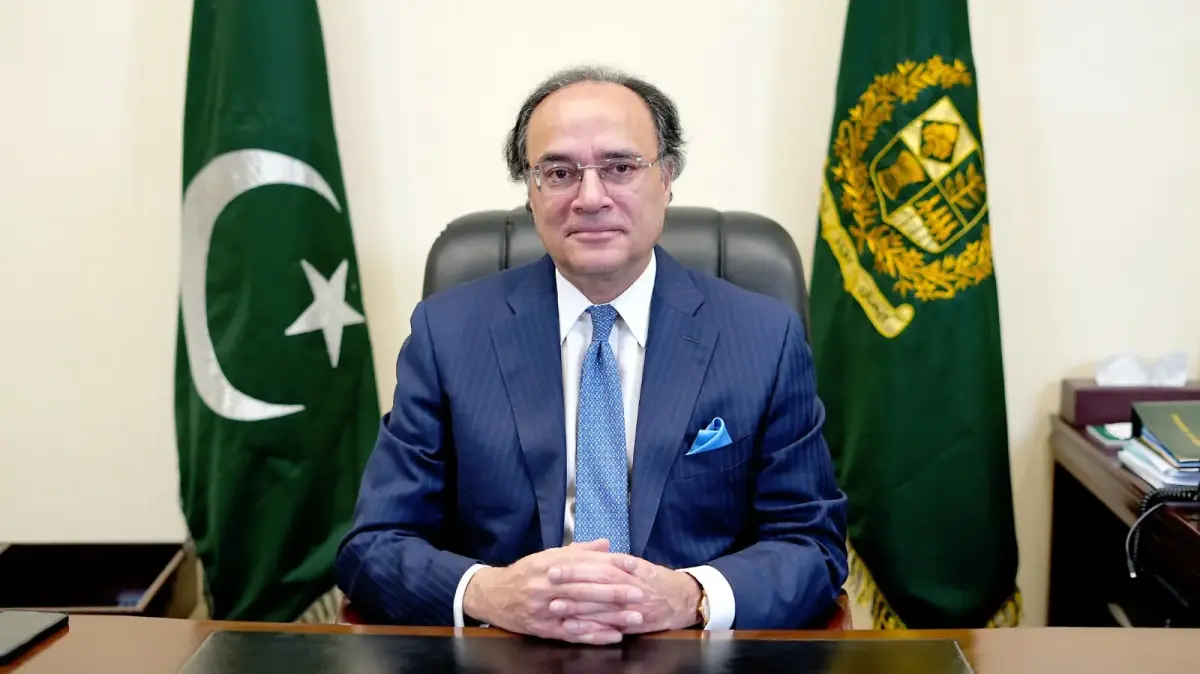
Pakistan has assumed the chairmanship of the Intergovernmental Group of Twenty-Four, with Finance Minister Muhammad Aurangzeb setting out three priorities: placing development at the centre of global economic policymaking, strengthening the representation of developing economies in multilateral institutions, and reforming the international financial architecture.
The Finance Division announced the chairmanship in a statement issued on Sunday, Business Recorder reported. Aurangzeb said in the statement that the future of developing economies "is not peripheral to the future of the global economy. It is central to it."
He said macroeconomic stability should serve investment, productivity, employment and shared prosperity, so that developing and low-income countries can move beyond managing crises and into sustained growth. He called for more equitable governance and meaningful participation in the Bretton Woods institutions, arguing they should reflect the changing needs of member countries.
The agenda Pakistan will pursue as chair covers affordable and timely development financing, sustainable debt solutions, stronger global financial safety nets, climate resilience and greater mobilisation of public and private capital, according to the statement.
"Our task is to ensure that the immense potential of developing economies is not constrained by an international financial architecture that has yet to fully adapt to a changing world," Aurangzeb said.
He said Pakistan would draw on its own experience of stabilisation and reform, and argued that reforming economies need enough financing and policy space to pursue long-term development goals alongside financial stability.
Pakistan will work with G-24 members in Africa, Asia, Latin America and the Caribbean, and with the IMF, World Bank and other partners, to turn the shared priorities into practical outcomes, the statement said. Aurangzeb acknowledged Nigeria's leadership as outgoing chair and said Pakistan would build on the group's progress.
"The true measure of our collective leadership will not simply be the strength of our voice, but the difference that voice makes," he said.
ARY News reported that Aurangzeb described the chairmanship as a profound responsibility and called for renewed international cooperation, stronger multilateral institutions and commitments to address climate shocks, development financing gaps and global economic fragmentation. It said he described the agenda as guided by the G-24's principles of consultation, consensus and collective advocacy.
Prime Minister Shehbaz Sharif welcomed the chairmanship, calling it a significant diplomatic milestone that recognises Pakistan's effective role in the global economy. He commended Aurangzeb and the Ministry of Finance team for their efforts and said the development would strengthen Pakistan's voice in international economic affairs.
PM calls G24 chairmanship a diplomatic milestone for Pakistan
UrduPoint carried the remark without the text of his statement, while Express News reported Pakistan will head the World Bank and IMF governors' boards in 2027.

Government tells National Assembly of 200,000-tonne fertiliser shortfall
Two urea plants are shut after gas supply disruption linked to the Middle East situation, and about half of Pakistan's fertiliser now comes from imports.

Consumer goods companies post higher sales despite rising food inflation
Nestlé Pakistan's nine-month net sales reached Rs160bn, up 6.3 per cent, Dawn reports, though some firms remain cautious on the full-year 2026 outlook.
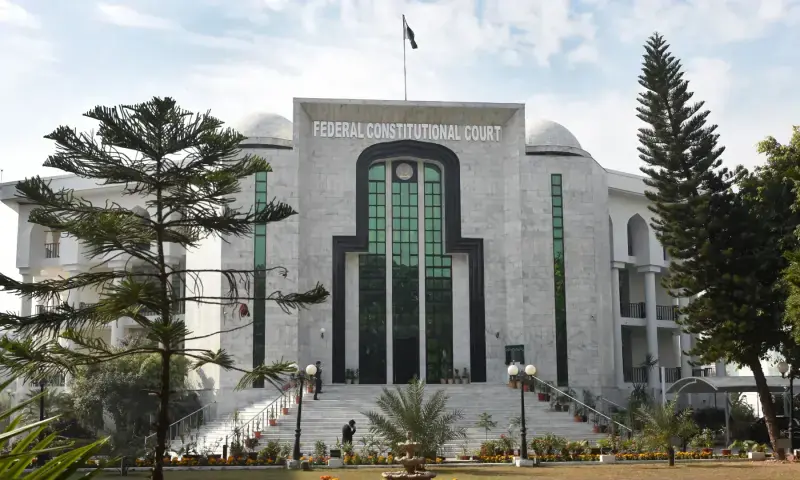
Constitutional court to hear petition on children's social media access
A three-judge bench led by Justice Aamer Farooq will take up the public interest petition on November 6 after the registrar's office had refused to register it.