Punjab adds Rs5bn for stroke care and 15 new centres
Maryam Nawaz says the money will widen treatment beyond the province's 40 stroke centres, with heart transplants due soon at the Jinnah Institute of Cardiology.

Punjab Chief Minister Maryam Nawaz Sharif announced an additional Rs5 billion for stroke treatment on Thursday and said 15 more stroke centres would be established in the province, in addition to the 40 already operating.
Speaking at an event marking World Stroke Day at the Punjab Institute of Neurosciences (PINS) in Lahore, she said no stroke patient would be denied treatment because of a shortage of funds, and directed officials to tell her directly if more money was needed.
Provincial Health Minister Khawaja Salman Rafique said Punjab has 40 stroke centres, made up of 38 primary centres and two comprehensive centres. He said 2.6 million dialysis sessions and 2,400 cardiac surgeries had been carried out in the province.
The chief minister said heart transplant surgeries would begin soon at the Jinnah Institute of Cardiology, and that state-of-the-art catheterisation laboratories were planned in 20 districts. ARY News reported her as saying such facilities had already been set up in eight or nine districts, a detail carried by that outlet and not by The Nation.
She said stroke patients have a window of four to five hours in which prompt treatment can significantly improve the chances of recovery. People who feel weakness in an arm or difficulty speaking should call Rescue 1122 without delay, she said, listing high blood pressure, diabetes, heart disease and high cholesterol as major risk factors.
Rescue 1122 had helped save the lives of 85 stroke patients by getting them to stroke centres in time, she said, commending the service and medical teams.
The cost of the TNK injection used in stroke treatment is beyond the reach of many ordinary people, she said, and travelling to Lahore from distant districts such as Rahim Yar Khan for emergency care adds to the burden on patients and their families. Placing facilities closer to patients' homes would help overcome both barriers, she said.
According to The Nation, she said stroke treatment was available at PINS/General Hospital, the Rawalpindi Institute of Cardiology and Sheikh Zayed Hospital, and that services were being extended to Holy Family Hospital in Rawalpindi and hospitals in Multan and Faisalabad.
She said a paediatric centre would be set up at every divisional headquarters so parents would not have to travel to Lahore for specialised children's treatment. A cancer hospital is being built in Lahore to provide free treatment to underprivileged patients, with a pain management centre for those with advanced-stage cancer, and facilities for genetic and blood disorders are being developed at Nawaz Sharif Medical District, she said.
She claimed the provincial government had spent Rs100 billion on free medicines and that 100 million people had been treated at government hospitals over the past year. Between 15,000 and 16,000 children, including some from other provinces, had undergone cardiac surgery in Punjab, she said, adding that no child had been refused treatment because of where they live.
ARY News reported that she also said medical services were being taken to people's doorsteps through field hospitals, with treatment for industrial workers at factories so they would not lose their daily wages.
During the visit she inspected the intensive care unit and control room, watched neurosurgical procedures from the operating theatre gallery, met patients and observed rehabilitation through robotic physiotherapy.
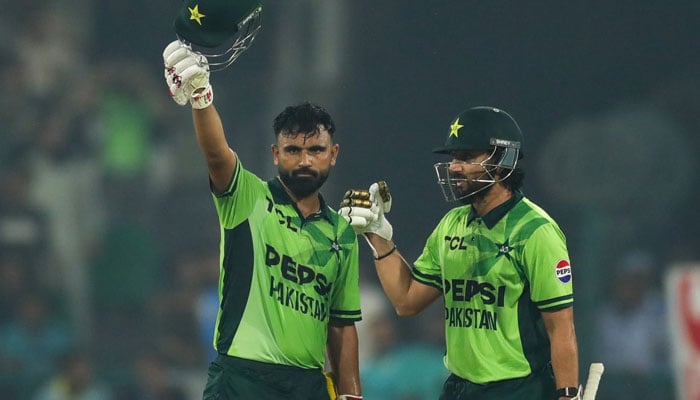
Fakhar Zaman's 127 sets up Pakistan's tri-series final win
Pakistan chased 326 with nine balls to spare at Gaddafi Stadium after losing Babar Azam for a five-ball duck inside the first four overs.
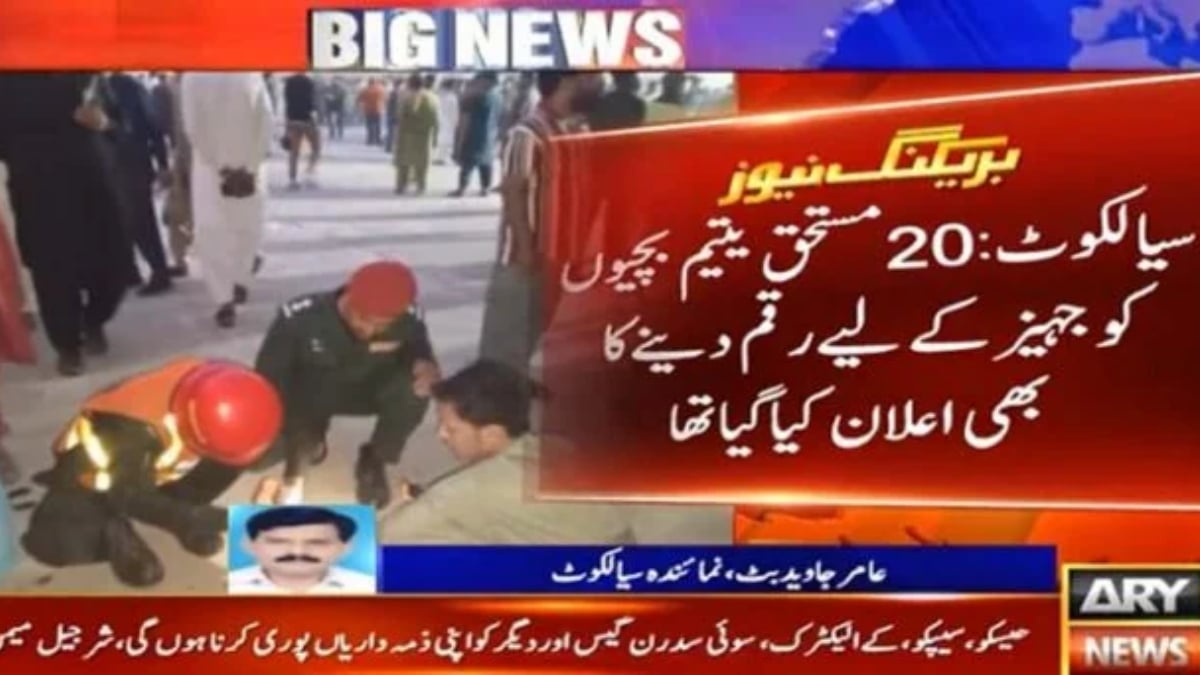
One dead, 14 injured in Sialkot mehndi ceremony stampede
Crowd surged when gates opened at Faraz Cricket Ground on Daska Road, where TikToker Muhammad Ansar Jatt was to give away 50 motorcycles, a car and cash.

Punjab Assembly speaker rejects unilateral suspension of Indus Waters Treaty
Malik Muhammad Ahmad Khan says the treaty's status must be decided under international law, as Dunya News reports the attorney general vowing to continue the legal fight with India.

Punjab healthcare commission makes uniforms mandatory for hospital staff
Doctors will wear blue, paramedical staff green and laboratory workers white coats under directives issued under Section 4(2)(o) of the PHC Act 2010