Punjab crop-fire detections 4.2 times Indian Punjab's, satellite data shows
Okara, Gujranwala and Nankana Sahib alone logged more hotspots than all of Indian Punjab, as Lahore's air quality index reached 232.
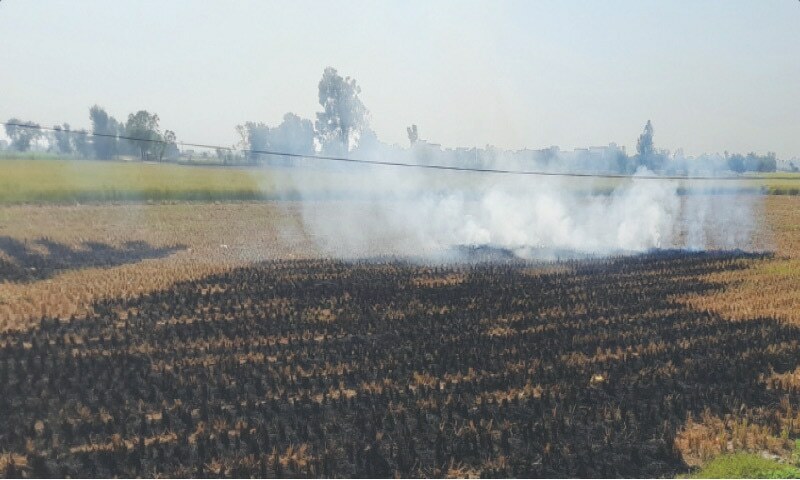
Nasa satellites detected 13,241 fire hotspots across Pakistan's Punjab between October 1 and October 29, 4.2 times the 3,158 recorded in Indian Punjab over the same days, according to an analysis by the environmental monitoring website HamariHawa. Dawn and Minute Mirror both reported the figures, which come from Nasa's Fire Information for Resource Management System (FIRMS), gathered through VIIRS instruments.
The analysis put about 92 per cent of the Pakistani detections on agricultural land and linked them to crop-residue burning. A separate comparison using the Suomi NPP satellite recorded 4,562 detections in Pakistan's Punjab against 918 in Indian Punjab.
The numbers reverse the position in 2019, when Indian Punjab recorded nearly five times as many fire detections as Pakistan's Punjab, 14,002 against 2,908. HamariHawa reported that Indian Punjab cut its satellite-detected crop fires by 95 per cent between 2021 and 2025, while Pakistan's Punjab recorded a 33 per cent rise between 2019 and 2025. For 2025 as a whole, it counted 12,364 detections in Pakistan's Punjab and 3,714 in Indian Punjab.
Fires clustered in the rice-growing belt around Lahore. Okara recorded 2,144 hotspots, Gujranwala 1,011 and Nankana Sahib 1,003; together the three districts accounted for 4,158 detections, more than the whole of Indian Punjab. Pakpattan followed with 922, Sheikhupura with 756, Hafizabad with 713, Dera Ghazi Khan with 710, Kasur with 699, Khanewal with 682 and Jhang with 676.
Activity intensified late in the month. Nearly half the monthly total, 6,655 hotspots, was detected in the final seven days, and October 29 alone produced 1,327, the highest single-day count.
The analysis cautioned that satellite detections only capture fires visible when a satellite passes overhead. They do not establish how much land burned or how much smoke was released, and cloud cover, heavy smoke or the timing of a pass can hide fires.
Separately, the Punjab Environment Protection Agency reported inspections of 11,580 brick kilns between September 28 and October 27. It said 197 non-compliant kilns were demolished, 163 units sealed, 162 cases registered and fines of Rs40.7 million imposed. Inspections covered 6,650 industrial units, of which 22 were demolished and 191 sealed, with 333 smog notices issued, 15 cases registered and Rs28 million in fines.
Authorities also carried out 6,064 inspections against plastic burning, sealed 152 locations and confiscated 45,100 kilogrammes of plastic. Of 4,204 industrial facilities checked for suction hoods, 1,863 had installed them and 333 non-compliant sites were sealed. Dust-control operations covered 397 union councils, with mist sprinklers installed at 49 locations, and 67 Quick Response Units have been deployed in agricultural areas to reach reported hotspots.
According to the Swiss monitoring platform IQAir, Lahore recorded an Air Quality Index of 232 at 1pm on October 31, placing it at the top of the ranking at that hour.

Fakhar Zaman's 127 sets up Pakistan's tri-series final win
Pakistan chased 326 with nine balls to spare at Gaddafi Stadium after losing Babar Azam for a five-ball duck inside the first four overs.
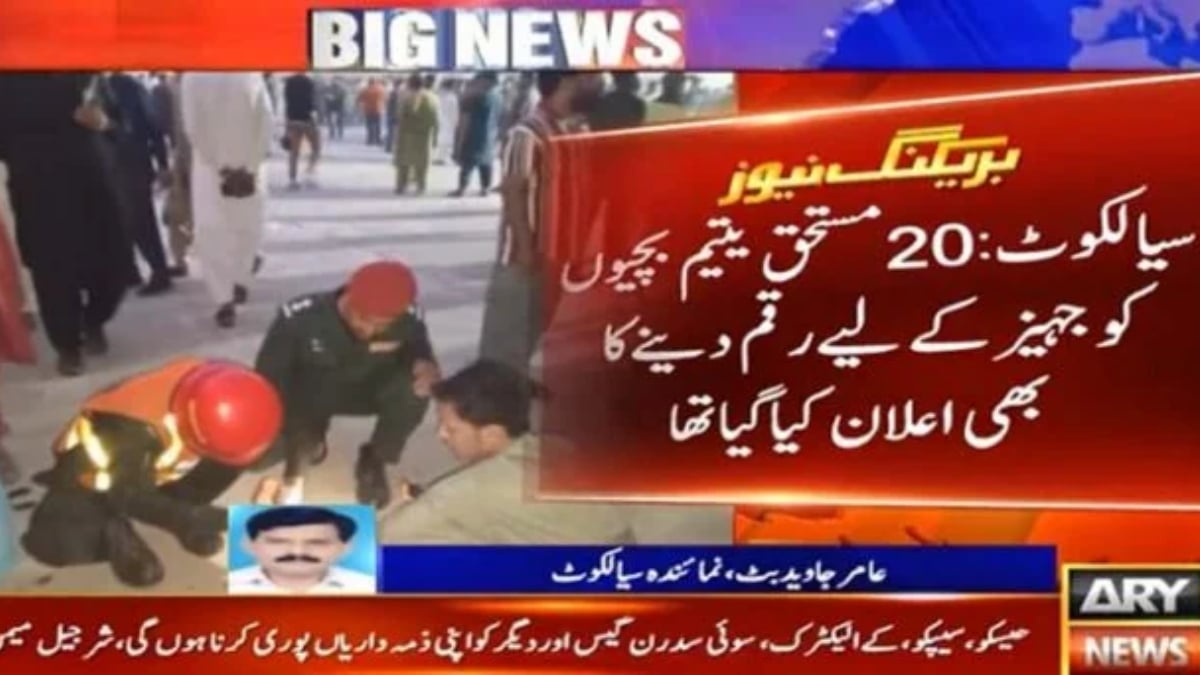
One dead, 14 injured in Sialkot mehndi ceremony stampede
Crowd surged when gates opened at Faraz Cricket Ground on Daska Road, where TikToker Muhammad Ansar Jatt was to give away 50 motorcycles, a car and cash.

Punjab Assembly speaker rejects unilateral suspension of Indus Waters Treaty
Malik Muhammad Ahmad Khan says the treaty's status must be decided under international law, as Dunya News reports the attorney general vowing to continue the legal fight with India.

Punjab healthcare commission makes uniforms mandatory for hospital staff
Doctors will wear blue, paramedical staff green and laboratory workers white coats under directives issued under Section 4(2)(o) of the PHC Act 2010