Sindh, ADB review education projects and Karachi rail plans
Chief Minister Murad Ali Shah and ADB country director Emma Fan also discussed a $300 million transport initiative and a post-flood school rebuilding programme.

Sindh Chief Minister Syed Murad Ali Shah and Asian Development Bank Pakistan country director Emma Fan met at Chief Minister House in Karachi on Wednesday to review the province's development priorities, Daily Times reported.
The meeting covered ongoing ADB-supported projects, future investment opportunities, and preparations for education, transport, health, digital transformation, and rural development initiatives, the report said. Education Minister Syed Sardar Ali Shah, Planning and Development Board Chairman Najam Ahmad Shah, and other officials attended.
The two sides reviewed the Sindh Secondary Education Improvement Project (SSEIP), under which 10 newly constructed secondary school buildings have been completed and are being operationalised in phases. The project aims to build 116 modern secondary school blocks across 10 districts, with an emphasis on girls and underserved communities, according to the report.
Murad Ali Shah was quoted as saying education remains the government's highest development priority. "The completion of the first batch of schools under SSEIP is not merely a construction milestone; it is an investment in the future of Sindh's children," he said. The chief minister also said the government intended to complete more than 200 schools by the end of the year and over 800 schools under various programmes in coming months.
Daily Times reported that teacher training for 2,630 secondary school teachers in five key subjects has been completed, laboratory equipment has been provided to 100 schools, and OMR-based examination systems have been introduced across all seven Boards of Intermediate and Secondary Education. Physical progress on SSEIP stands at about 59 percent, with a revised completion schedule of December 2027.
The meeting also reviewed SSEIP-Additional Financing, a post-flood reconstruction initiative aiming to rebuild 722 flood-damaged schools across five districts using climate-resilient and gender-responsive designs. Education officials said procurement and award of major civil works are complete, construction is under way at hundreds of schools, and physical progress has reached about 54 percent. Under the phased programme, 495 reconstructed schools are expected to be handed over between October 2026 and June 2027.
The chief minister and ADB reviewed preparations for a proposed Second Additional Financing programme of about $125 million for roughly 125 climate-resilient secondary schools, teacher development, examination reforms, and digital learning. The programme includes a proposed $10 million IFFEd grant that requires timely approvals, the report said.
ADB briefed the meeting on proposed investments in the Karachi Circular Railway, a Sindh Nursing and Health Workforce Strengthening Project of about $100 million, a Digitalisation and AI Enablement Project, a Sustainable Mobility Project for Hyderabad, Sukkur and Larkana worth about $300 million, and a rural water, sanitation and hygiene initiative. On the Karachi Circular Railway, the chief minister said the Sindh government would work with the federal government and other stakeholders to resolve land and right-of-way issues.
ADB country director Emma Fan said the bank valued its partnership with Sindh and looked forward to future investments in inclusive growth, human capital and quality of life. Education Minister Syed Sardar Ali Shah said the SSEIP programme represented one of the most significant investments in public education infrastructure in Sindh's history. "These schools are not simply buildings; they are centres of opportunity, innovation and social transformation," he said.
Both sides reaffirmed their commitment to expanding cooperation in education, climate resilience, transport, healthcare and digital governance, Daily Times reported.

Sindh High Court gives lawyers seven days to remove official symbols from cars
Vehicles still carrying green plates, blue lights, flashers or fake government number plates will be refused entry to the high court, the City Court and district courts.
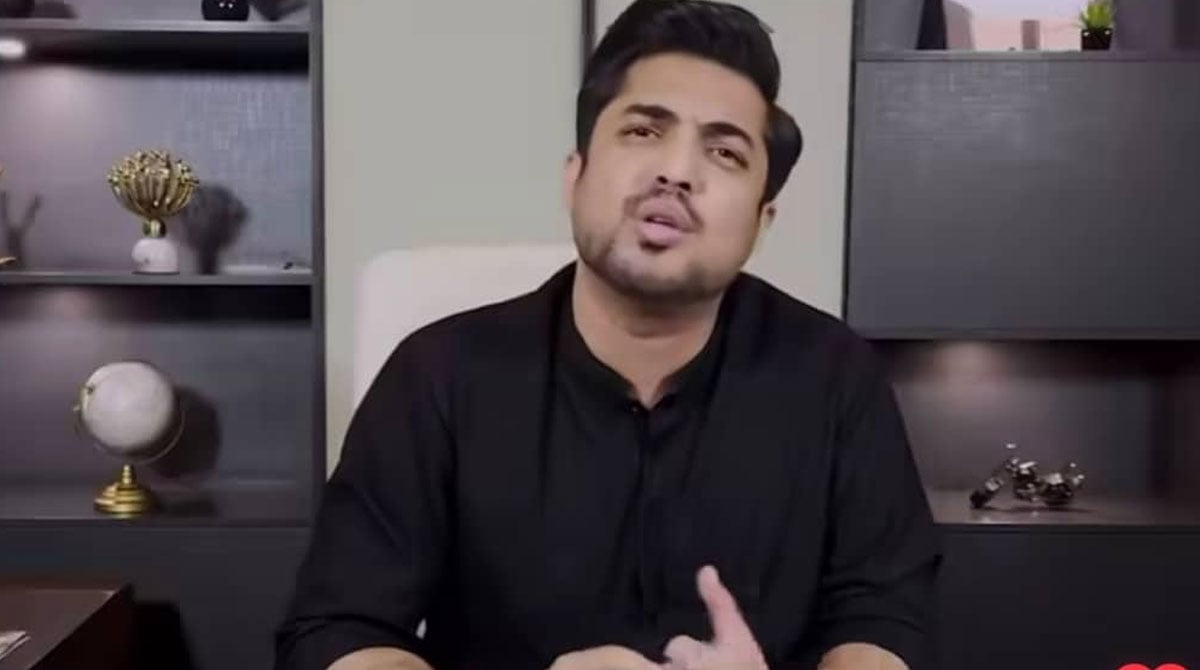
Court grants bail to Iqrarul Hassan in cybercrime case
A Karachi court ordered his release on Rs200,000 surety bonds, three weeks after the NCCIA arrested him over posts on X, Instagram and Facebook.

World Bank approves $150m for Sindh property tax and municipal services
The Sindh Property Revenues Enhancement Program will back urban immovable property tax collection and the service delivery capacity of selected local councils, Karachi foremost.

Sindh forms committee to review local bodies and audit budgets
The panel, chaired by local government minister Nasir Hussain Shah, will examine illegal recruitment and budget irregularities from union councils up to district councils.