UN food agency calls Sindh water management complicated, urges resource audit
The FAO report asks Sindh to account for rainfall, groundwater, canal diversions, lakes and reservoirs, and says the province's Crop Reporting Service needs improvement.
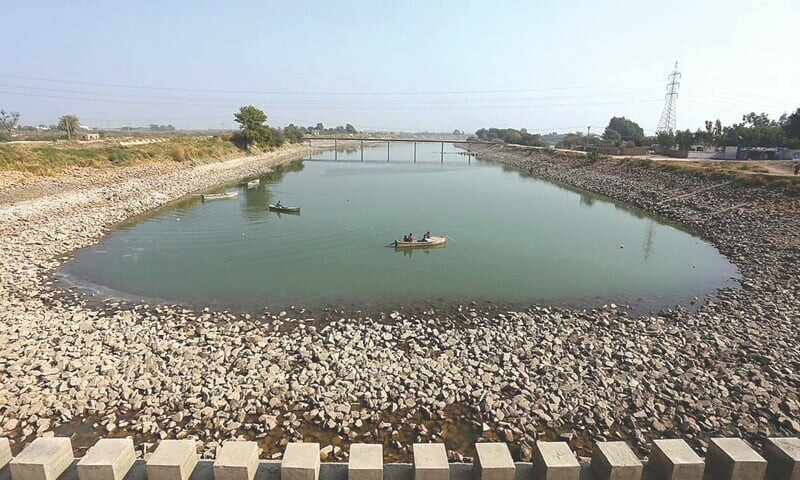
A United Nations Food and Agriculture Organization report has described land and water management in Sindh as complicated, attributing the problem to differing approaches and multi-layered rules, and has advised the provincial government to take a careful account of its land and water resources.
Dawn, which carried the findings, reported that the study asks Sindh to take stock of all its available water sources, including rainfall, groundwater, canal diversions, lakes and reservoirs, as the basis for managing them.
According to the newspaper, the FAO identifies heterogeneous approaches and multi-layered rules as the main reasons management in the province has become complicated. The report also says that Sindh's Crop Reporting Service requires improvement, and describes the integration of lakes, dams and drainage networks as significant for irrigation.
The Indian wire service ANI carried the same study under the headline that the UN report "exposes flaws" in Sindh's water management.
Dawn's account did not give the date the study was published or set out its full findings, and the figures behind its assessment of the province's land and water resources were not available in the material published. The report as described rested on the study's conclusions rather than on a government response; no statement from the Sindh government or from the provincial irrigation department on the findings was reported by either outlet.
Sindh's farming economy relies chiefly on the Indus and the canals drawn from it, which makes the accounting of groundwater, rainfall and stored water a provincial question rather than a technical one. The FAO's recommendation that the province look beyond a single source of supply touches on how irrigation is planned and how crop data is gathered and reported upward.
The agency's suggestion that the Crop Reporting Service be improved points to the data pipeline that feeds provincial agricultural planning, since crop estimates determine how water demand is calculated for a season.
Neither outlet reported whether the Sindh government has been formally asked to respond to the study or whether the findings will be placed before the provincial cabinet.

Sindh High Court gives lawyers seven days to remove official symbols from cars
Vehicles still carrying green plates, blue lights, flashers or fake government number plates will be refused entry to the high court, the City Court and district courts.

Court grants bail to Iqrarul Hassan in cybercrime case
A Karachi court ordered his release on Rs200,000 surety bonds, three weeks after the NCCIA arrested him over posts on X, Instagram and Facebook.

World Bank approves $150m for Sindh property tax and municipal services
The Sindh Property Revenues Enhancement Program will back urban immovable property tax collection and the service delivery capacity of selected local councils, Karachi foremost.

Sindh forms committee to review local bodies and audit budgets
The panel, chaired by local government minister Nasir Hussain Shah, will examine illegal recruitment and budget irregularities from union councils up to district councils.