Water shortfall shadows Sindh Rabi sowing as farmers turn to oilseeds
Irsa has forecast a 22 percent irrigation shortfall for the season, while Pakistan's palm oil import bill reached a record $3.78 billion in FY26.
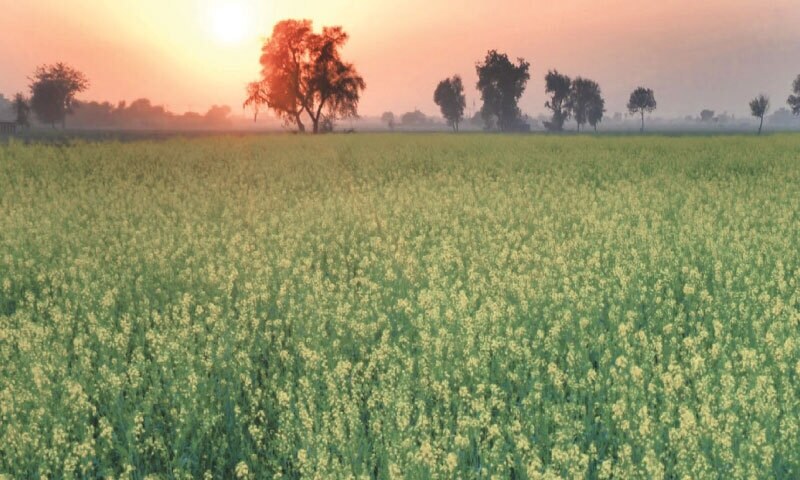
The Rabi sowing season has begun in lower Sindh with a forecast 22 percent shortfall in irrigation water hanging over it, and growers there are putting more land into oilseeds such as mustard in pursuit of faster returns, Dawn reported.
The Indus River System Authority (Irsa) has projected the 22 percent irrigation shortage for the season. Dawn reported that cultivation of Rabi crops, including wheat and oilseeds, has already started in the lower parts of the province.
Farmers are increasingly turning to oilseed crops, particularly mustard, because they bring quicker economic returns, according to the newspaper. Larger domestic oilseed output would cut Pakistan's dependence on imported edible oil, which absorbs a substantial amount of foreign exchange.
Dawn reported that Pakistan imported a record 3.48 million tonnes of palm oil worth $3.78 billion in FY26, against 3.21 million tonnes costing $3.4 billion in FY25. The average import price climbed to $1,078 per tonne from $1,056.
Separately, the federal minister for National Food Security and Research, Rana Tanveer Hussain, called the recent fixation of wheat prices a balanced approach aimed at supporting farmers and lifting domestic production, Business Recorder reported. In an interview with a private television channel, he said Pakistan, being an agriculture-based economy, had to give its farming community adequate support.
The minister said he expected farmers to respond to the support price by expanding wheat cultivation and investing more in agricultural inputs. Business Recorder reported that he saw this helping the country move towards a stronger position on wheat.
Neither report gave the wheat support price that was fixed, the current size of Sindh's oilseed area, or official sowing targets for the Rabi season.
Taken together, the two accounts set out the competing pulls on the season: a water shortfall in the south and a federal price signal intended to draw area back to wheat.

Sindh High Court gives lawyers seven days to remove official symbols from cars
Vehicles still carrying green plates, blue lights, flashers or fake government number plates will be refused entry to the high court, the City Court and district courts.

Court grants bail to Iqrarul Hassan in cybercrime case
A Karachi court ordered his release on Rs200,000 surety bonds, three weeks after the NCCIA arrested him over posts on X, Instagram and Facebook.

World Bank approves $150m for Sindh property tax and municipal services
The Sindh Property Revenues Enhancement Program will back urban immovable property tax collection and the service delivery capacity of selected local councils, Karachi foremost.

Sindh forms committee to review local bodies and audit budgets
The panel, chaired by local government minister Nasir Hussain Shah, will examine illegal recruitment and budget irregularities from union councils up to district councils.