Austerity drive to save Rs16.8 billion, finance secretary says
Finance Secretary Imdad Ullah Bosal told a National Assembly committee that most savings will come from cuts to official vehicle fuel and non-salary spending.
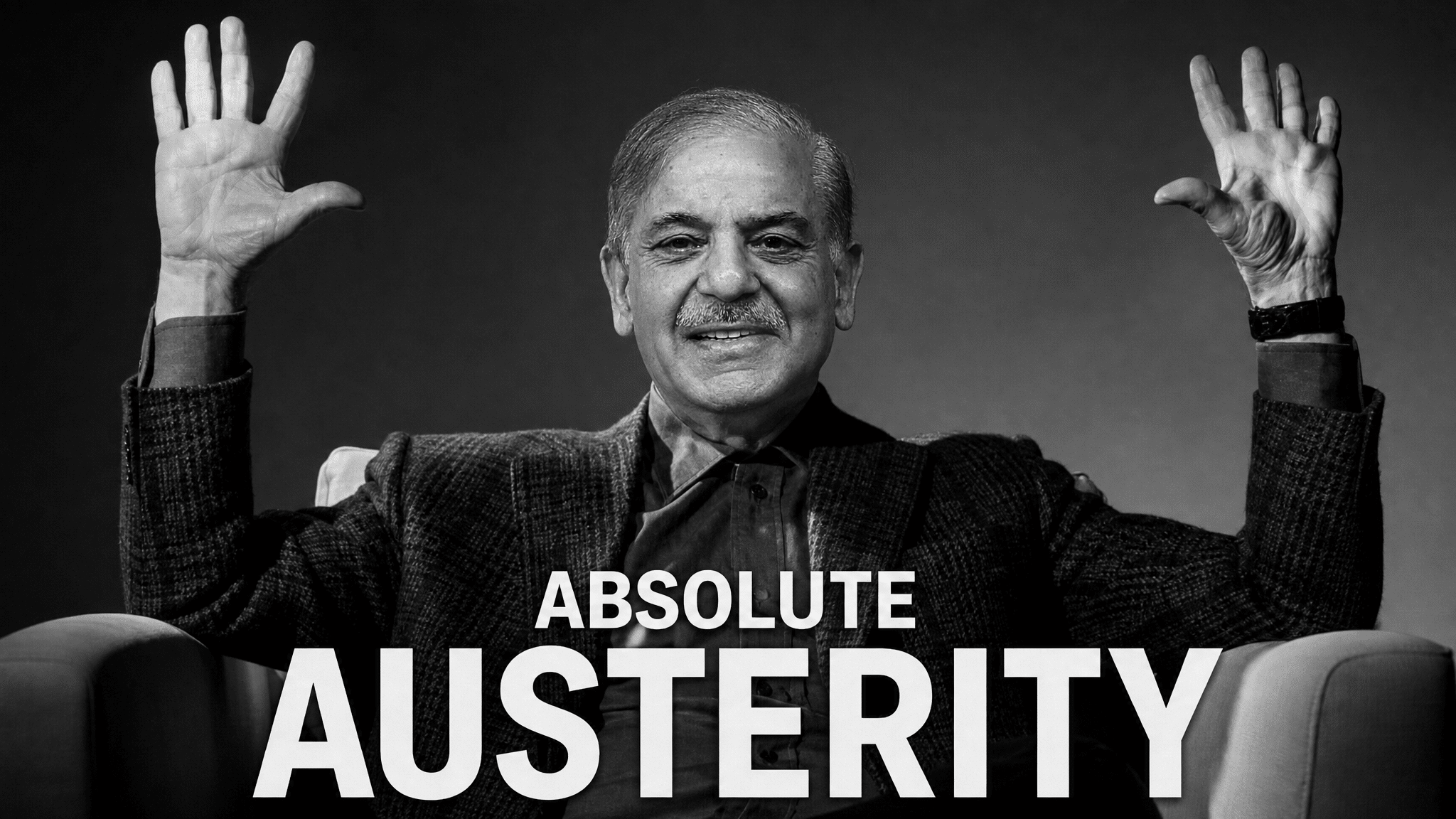
Islamabad: The federal government's austerity measures will save only Rs16.8 billion, Finance Secretary Imdad Ullah Bosal told the National Assembly Standing Committee on Finance on Thursday, as he briefed lawmakers on Pakistan's International Monetary Fund programme.
The savings are mainly expected from a 50 percent reduction in fuel allocations for official vehicles, projected to save Rs700 million over three months, and a 5 percent cut in non-salary spending, projected to save Rs16.1 billion over a year.
Prime Minister Shehbaz Sharif announced the austerity drive after public criticism of the government's decision to pass the financial burden of the Middle East conflict on to consumers. The government's monthly petroleum levy collection is projected at Rs139 billion.
Bosal, who is also Pakistan's chief negotiator with the IMF, said overall implementation of the programme remained strong and had helped the government reach staff-level agreements without major difficulties in previous reviews. However, he said discussions with the IMF were still continuing on the fourth review.
Several conditions remain incomplete. The finance ministry told the committee that requirements related to sugar sector liberalisation, health and education spending, the Sovereign Wealth Fund Act, statutory state-owned enterprises, and tax collection from retailers and agriculture had not been fully met.
On sugar, Bosal said the government was moving toward full liberalisation and had shared draft recommendations with the provinces. Three provinces had agreed, while one province had reservations. Committee members identified the province as Sindh, ProPakistani reported.
The government also missed its combined health and education spending target for the last fiscal year. Against an IMF target of Rs3.47 trillion, the five governments spent Rs3.1 trillion. Bosal said lower federal tax collection had forced the government to ask provinces to reduce spending.
Other pending conditions include amendments to the Sovereign Wealth Fund Act to change the mechanism for handling dividends, changes to laws governing nine statutory state-owned enterprises, amendments to the Securities and Exchange Commission of Pakistan Act, and measures to strengthen the anti-corruption framework.
Minute Mirror reported that the proposed sovereign wealth fund changes would transfer dividend income to the government first, instead of allowing the fund to retain half of it. State-owned enterprises including Port Qasim Authority, Gwadar Port Authority, Karachi Port Trust, State Life Insurance Corporation, National Telecommunication Corporation and Pakistan Railways are also covered by planned amendments.
Bosal said Prime Minister Shehbaz Sharif had asked the law minister and the National Accountability Bureau to prepare an action plan targeting corruption risks in 10 government departments, a move that drew concern from committee members over expanding NAB's role.
About 114 amendments to corporate laws were also proposed to strengthen compliance for unlisted companies and improve corporate governance, Bosal said. Agricultural income tax reforms and the fixed tax scheme for traders remain under discussion with the provinces.

ECP sets ward delimitation for Quetta and Kharian cantonment boards
Quetta moves from Class-II to Class-I and Kharian from Class-III to Class-II, with 10 wards fixed in Quetta and five in Kharian under notifications issued on 29 October.

Information ministry blames Kabul inaction for strained Pakistan-Afghanistan ties
The ministry rejected a Taliban spokesperson's account of the dispute, saying cross-border militancy remains the biggest obstacle to normal relations between the neighbours.

Tarar proposes national council on cyber security and digital literacy
The information minister used the PTA's Cyber Security Awareness Week to float a coordinating body and to call for digital literacy in school curricula.

Health minister says barcode scan will flag fake medicines from November
Mustafa Kamal told the National Assembly that hospitals will also have to buy all vaccines from Pakistan's own funds by 2030, at a cost of about $1.2 billion.