


Bangladesh raises garment minimum wage after weeks of protests
Officials cited by Dawn and the South China Morning Post put the rise at 36%, but workers making clothes for H&M, Walmart and Gap called it the lowest in 40 years.
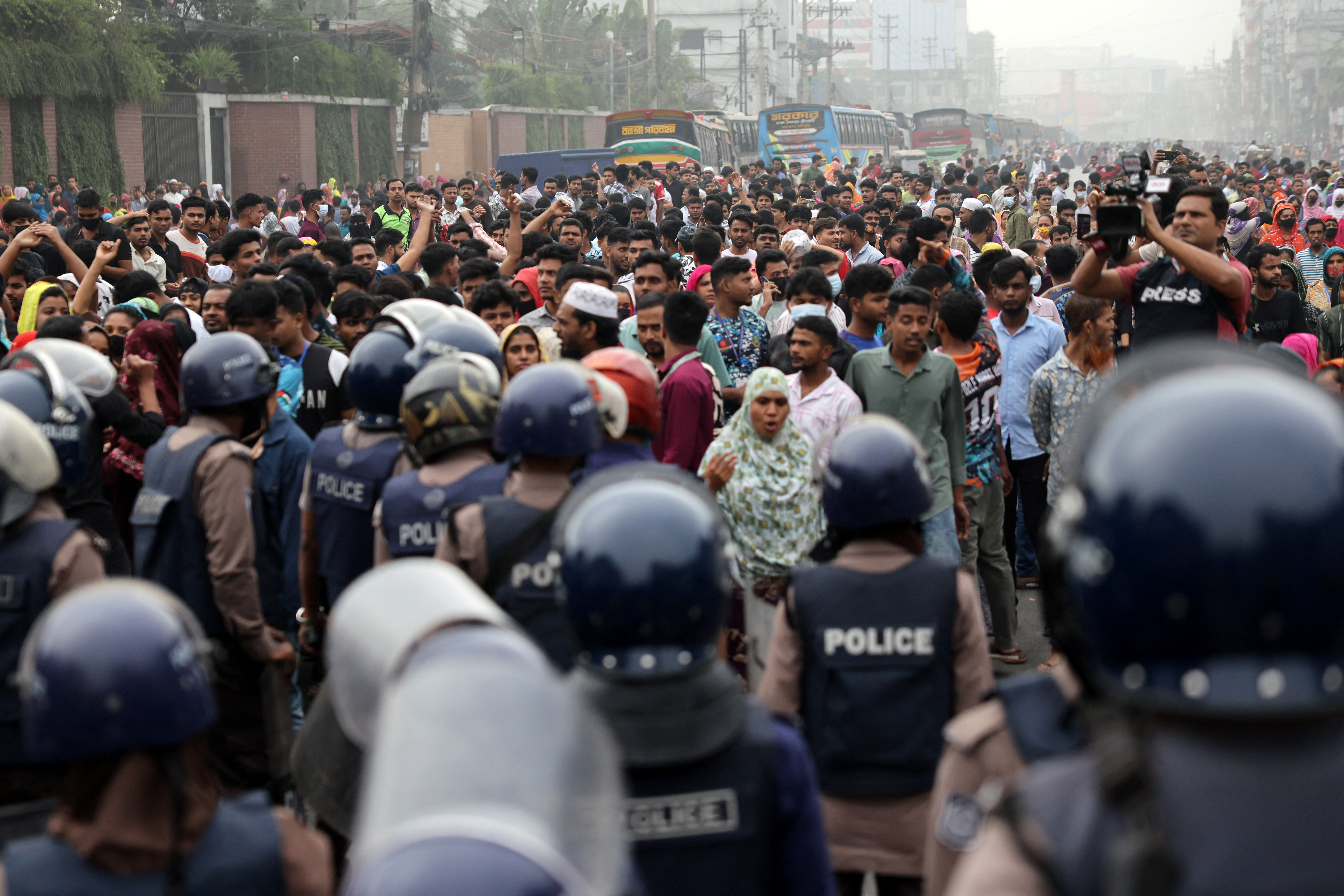
Bangladesh has raised the minimum wage for garment workers after weeks of protests, with officials quoted by Dawn and the South China Morning Post putting the increase at 36%.
Demonstrations began in October, when workers stopped work to demand higher pay. Dawn reported that some of the protests turned violent and that the unrest cost businesses hundreds of millions of dollars. The wage decision was announced on Wednesday, according to Dawn and the South China Morning Post, both of which cited officials.
The garment industry is Bangladesh's economic lifeline. Dawn reported that it generates four-fifths of the country's export earnings and employs more than four million people, and that the clothes it makes are sold to shoppers in Europe and North America. Bangladesh is the world's second-biggest garment exporter after China.
The reports do not give the same figure. The Hindu reported that manufacturers were weighing a 15% increase, which it said fell far short of what workers had demanded. The Associated Press reported that Bangladesh had raised the minimum wage but did not put a number on it.
CBC News reported that workers producing for H&M, Walmart and Gap were protesting what it described as the lowest pay increase in 40 years. None of the reports named the officials who confirmed the 36% figure, or the government body that set it.
How the reports differ
The Hindu reported that garment manufacturers were weighing a 15% rise and that it fell well short of workers' demands, while Dawn and the South China Morning Post, both citing officials, put the agreed increase at 36%. The Associated Press reported that Bangladesh had raised the minimum wage but gave no figure. CBC News led with the workers' response, reporting that employees producing for H&M, Walmart and Gap were protesting what it called the lowest pay increase in 40 years. Dawn and the South China Morning Post alone described protests that turned violent and business losses in the hundreds of millions of dollars.
Watch
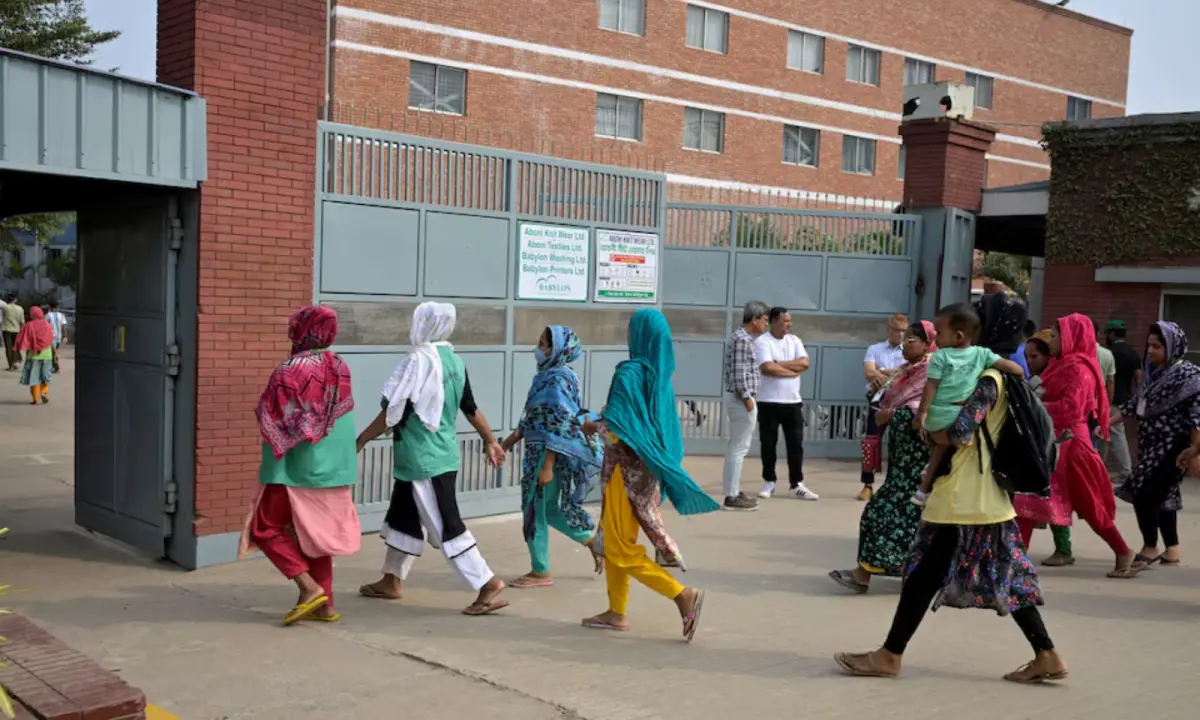
Bangladesh garment workers demand minimum wage be doubled
A government wage board has agreed to a new pay scale from December but has not yet said how far the 12,500 taka minimum will rise.
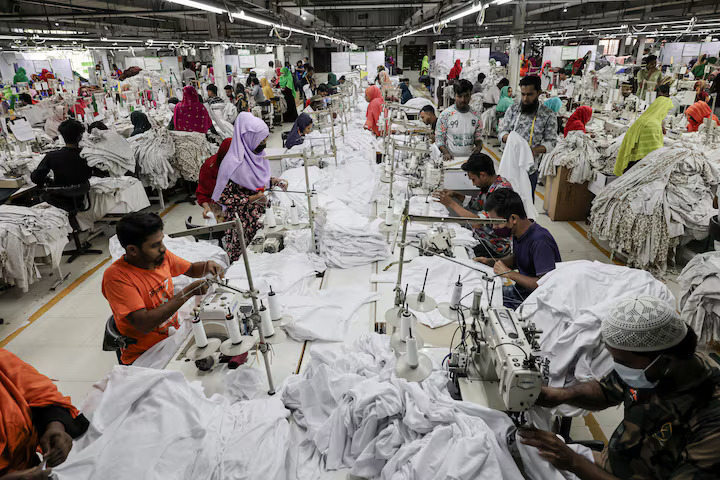
Bangladesh forms wage board as garment protests shut factories
Workers want a minimum monthly wage of 30,000 taka ($245), more than double the current 12,500, as police fire tear gas in Dhaka.
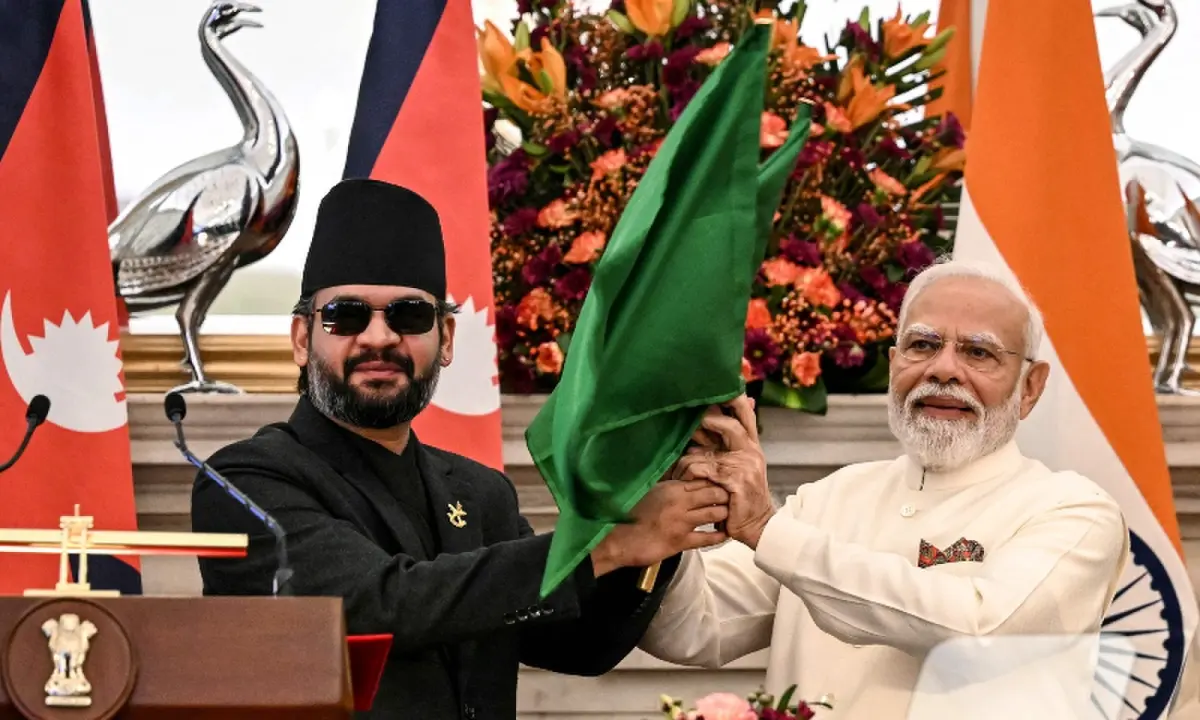
India pledges $1.62bn reconstruction package to flood-hit Nepal
Nepali Prime Minister Balendra Shah's first bilateral visit to New Delhi also produced eight agreements and a new cross-border rail service.
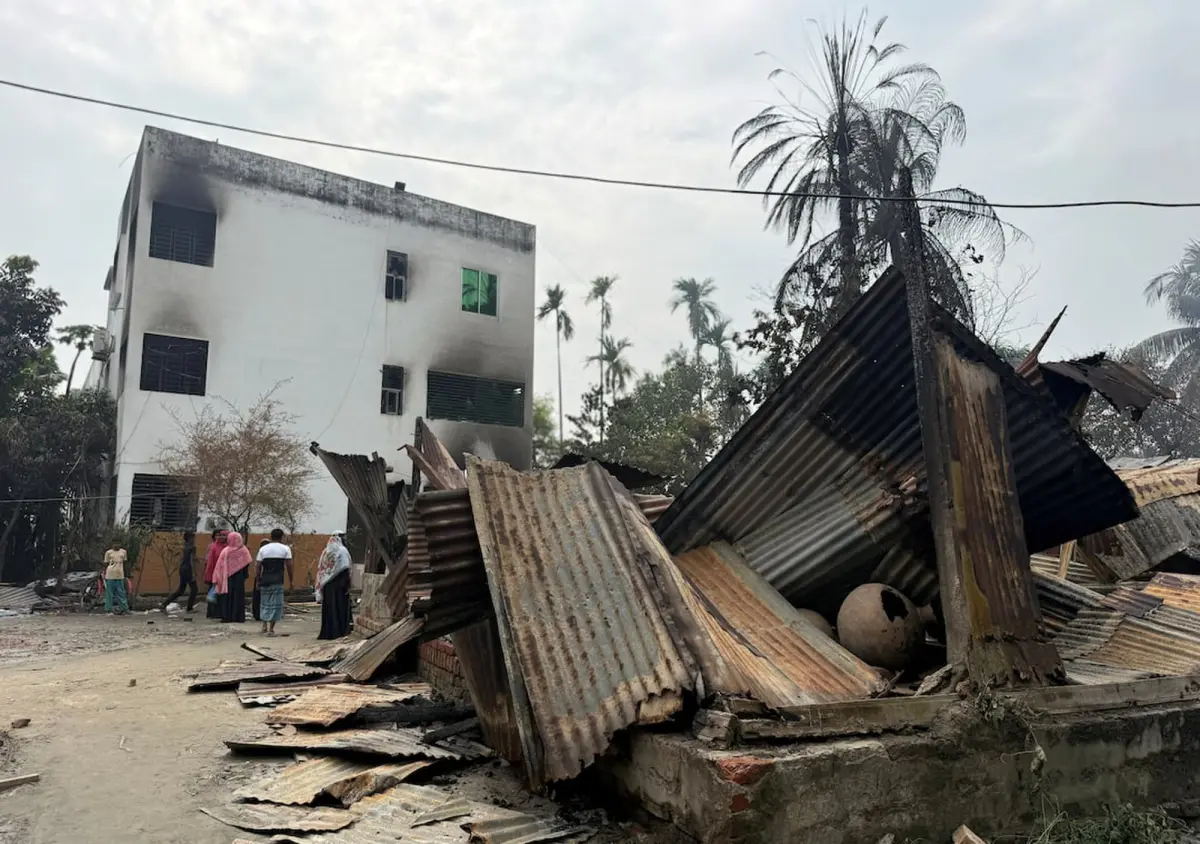
Hasina's party shuts down Bangladesh, Yunus ancestral home set on fire
Police report two deaths as the Awami League protests the government's refusal of a passport and identity card that would let Sheikh Hasina return from India.
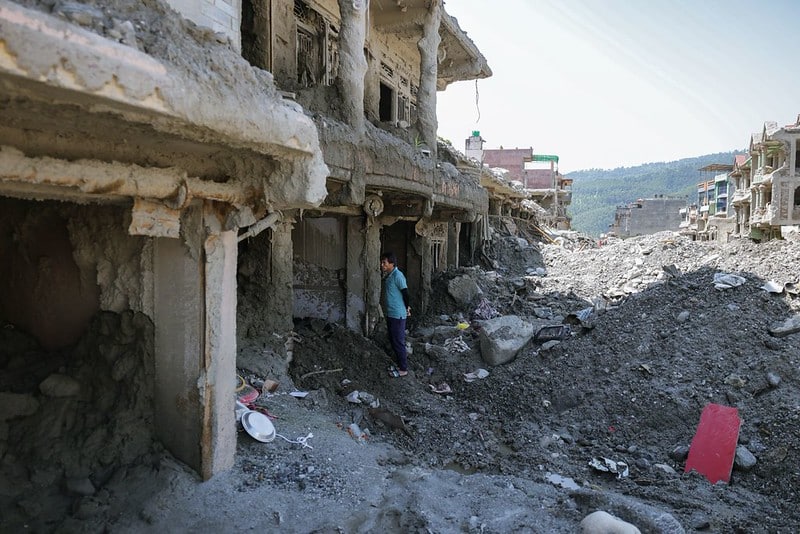
Nepal glacier flood kills more than 1,400, thousands missing
Nepal's foreign minister asked the UN loss and damage fund for $20m; its board set aside $21.6m, about 0.7% of the country's economic losses.
ICC closes original Afghanistan war investigation, keeps Taliban case
Judges say prosecutors failed to show they could pursue the dormant US troops and ISIS-K lines, and the prosecutor's office says it has appealed.
Modi's office summons India telecom secretary over fake court orders
Telecom Secretary Amit Agrawal was called to explain how 129 betting sites were blocked on forged High Court orders, as police open a forgery inquiry.
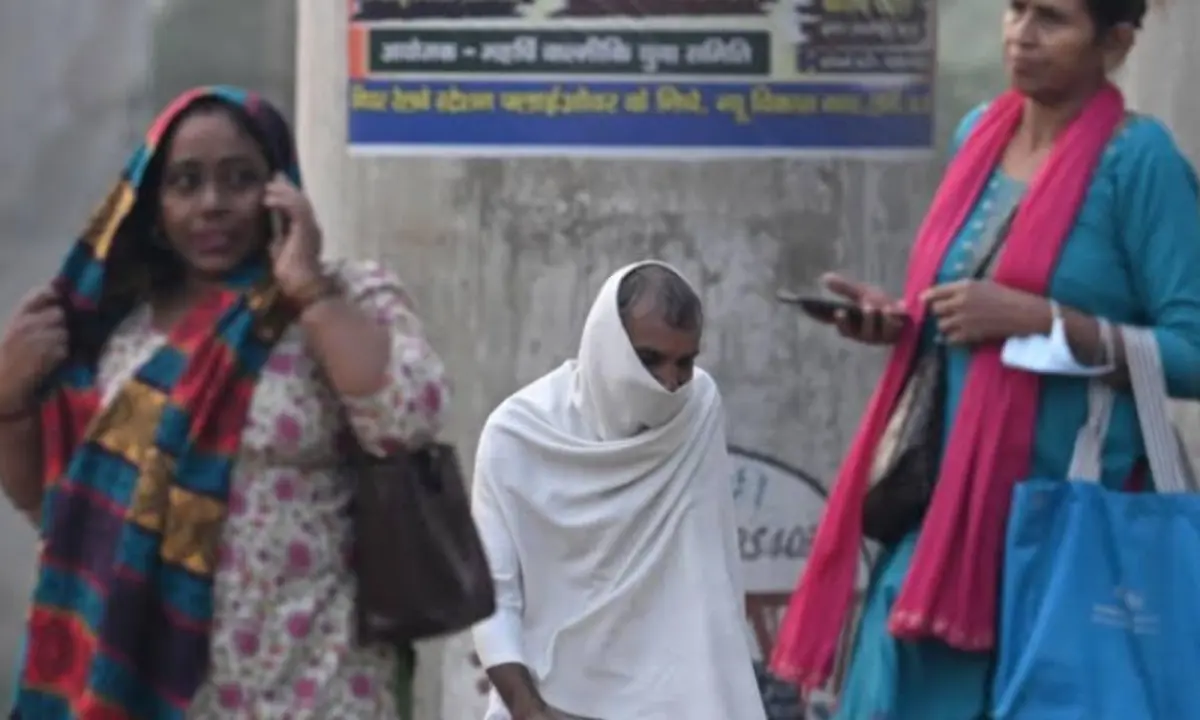
Delhi smog passes monitor limits as Diwali fireworks stoke pollution
Regulators say concentrations reached 66 times the WHO daily maximum, and opposition politicians question why official readings lapsed overnight.