Binance resumes withdrawals as FBI blames North Korea for $6.3bn hack
The exchange says it has replaced 90 percent of the stolen tokens and that customers will not carry the loss from the largest crypto theft on record.
Binance reopened customer withdrawals on Sunday, three days after about $6.3bn in cryptocurrencies was taken from the exchange in what the FBI and industry analysts describe as the largest crypto heist on record.
The phased restart began after 2pm Singapore time, according to the Guardian. Customers holding ether, USDT and USDC on the Ethereum blockchain, and some tokens on the BNB Smart Chain, were allowed to withdraw first.
Binance said it had replaced 90 percent of the stolen tokens. The last 10 percent are less liquid and may take longer to buy back, the company said in a post on X on Saturday. Richard Teng, Binance's co-chief executive, said the company was "committed to covering the remaining 10%" and that users would not bear the financial impact. Binance said it had set aside about $6.34bn, drawn from its $1bn Secure Asset Fund for Users, part of its Futures Insurance Fund and its own corporate treasury.
The FBI said on Saturday that "the Democratic People's Republic of Korea (North Korea) was responsible for the theft of more than $6bn in virtual assets from cryptocurrency exchange Binance, on or about October 29." Al Jazeera and the Guardian put the figure at $6.3bn; Reuters reported $6.3bn in one headline and about $6bn in another.
The bureau named TraderTraitor, a group investigators link to the Lazarus Group, which was accused in 2014 of hacking Sony Pictures over a film that mocked Kim Jong-un. The FBI said it had seen TraderTraitor "actors" convert the stolen assets into ether and expected further laundering through decentralised finance and instant swap services. It urged private companies to block transactions connected to the addresses being used.
Teng described the breach on Friday as a "complex attack" involving a compromised laptop and malicious software written to delete evidence of its activity, which he said made the theft harder to trace.
Markets fell when the theft became public: bitcoin dropped nearly 5 percent, ether nearly 6 percent and BNB, the token native to Binance, nearly 10 percent, the Guardian reported.
North Korea faces extensive international sanctions over its nuclear and missile programmes, and Western governments have repeatedly accused it of raising revenue through cyber theft. The size of the Binance loss has drawn attention to how much money the country can obtain that way.
China's Communist Party expels record 33 members at plenum
The fifth plenum of the 20th Central Committee left more than a quarter of its seats empty as Xi Jinping defended the discipline campaign.

Cotton ginners blame tariff and import policy for sector frustration
Forum chairman Ehsanul Haq says India has extended duty-free raw cotton imports to Dec 31 while Pakistan's crop zoning rules go unenforced.
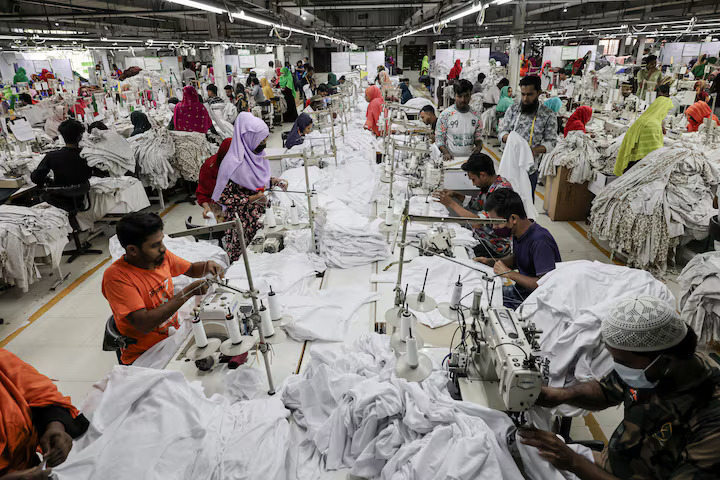
Bangladesh forms wage board as garment protests shut factories
Workers want a minimum monthly wage of 30,000 taka ($245), more than double the current 12,500, as police fire tear gas in Dhaka.

Qatari LNG tanker bound for Pakistan attacked near Hormuz
Nakilat says all 25 crew are safe and the vessel is under control, but Pakistan has not said whether the cargo will arrive or be replaced on the spot market.