China's trade surplus passes $1 trillion as AI exports surge
Customs data show October exports up 35.2% to $412.3bn and a $1.04 trillion surplus for January to October, ahead of Xi-Trump talks at APEC.
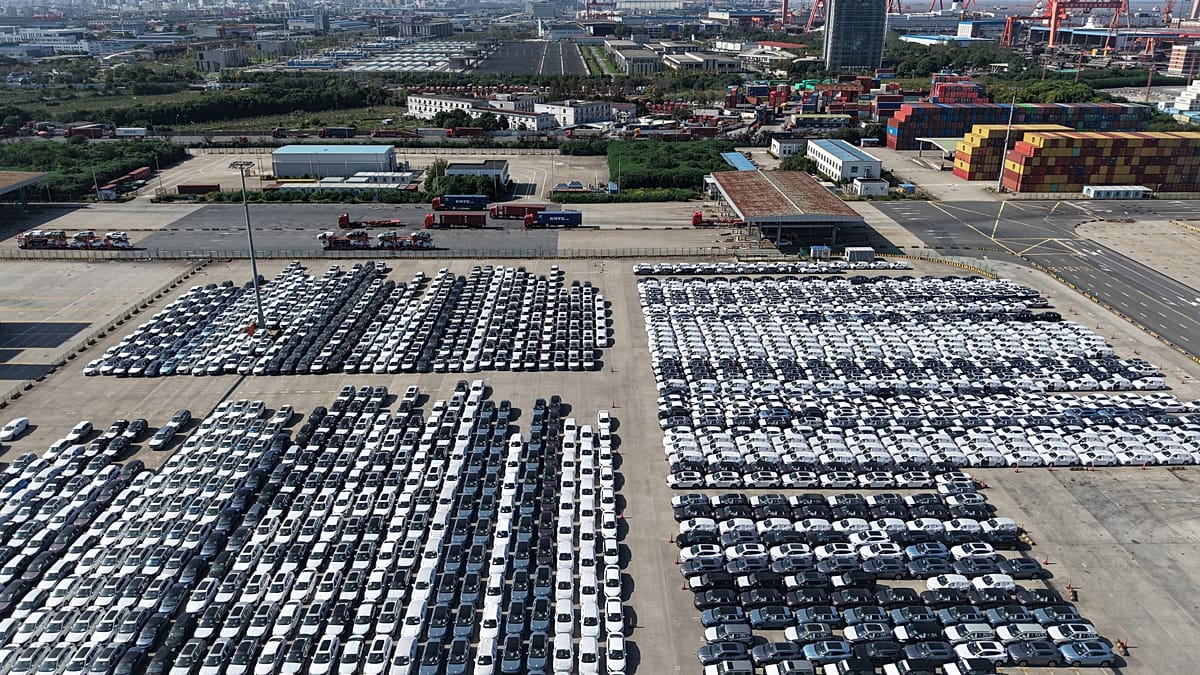
China's trade surplus passed $1 trillion in October, customs data showed on Tuesday, a milestone reached earlier in the year than in 2024, as exports of artificial intelligence hardware drove shipments abroad.
Exports rose 35.2% from a year earlier to $412.3 billion and imports rose 41.6% to $307.1 billion, according to General Administration of Customs figures reported by Euronews. The surplus for January to October reached $1.04 trillion. China is on course to exceed the record $1.2 trillion posted last year, when the $1 trillion mark was crossed in November.
Reuters reported the same milestone in a headline that credited the AI boom with powering exports.
Demand for chips, data centre servers and networking equipment contributed to the surge, Euronews reported. Shipments to the United States rose 32.9% in October. The surplus with the European Union reached $310.7 billion in the first 10 months, against $241.6 billion in the same period of 2024.
Export growth has become central to Beijing's effort to meet its official expansion target of 4.5-5.0% this year, the lowest in decades, while household spending stays weak. Inflation data on Monday remained below the official target of about 2%.
"Exporters have been the key driving force behind China's economy this year," Zhiwei Zhang, president and chief economist at Pinpoint Asset Management, wrote in comments reported by Euronews. He said he expected them to keep performing well.
The figures arrive before President Xi Jinping and US President Donald Trump attend the Asia-Pacific Economic Cooperation summit in Shenzhen on November 18 and 19. Euronews reported the two may hold talks there, possibly alongside Russia's Vladimir Putin. They extended a truce in their trade war this year after talks in Washington in September.
Brussels has come under pressure from European industry to shield it from Chinese shipments. EU trade chief Maros Sefcovic and his Chinese counterpart Wang Wentao agreed in Beijing last month to limit exports of hybrid vehicles to Europe, Euronews reported.
Watch
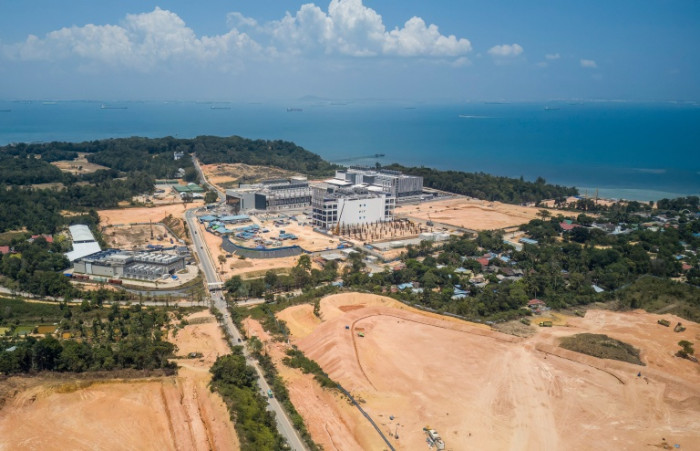
Batam residents protest data centres as taps run dry
The island's water utility blames a long drought and an electrical fault, while households near Nongsa Digital Park point to the AI building boom.

New Zealand election leaves National and Labour nearly deadlocked
With more than 95 percent of ballots counted, the two parties are a few thousand votes apart and coalition talks will decide who governs.

New Zealand election count leaves Labour level with National
About a third of the vote is counted, neither bloc has a majority, and the centrist Opportunity party could enter parliament for the first time.

Philippines inflation climbs to 7.8% on fuel and fares
Rappler reports the October rate was driven by fuel prices and transport fares, without giving the monthly change or naming the statistics agency.
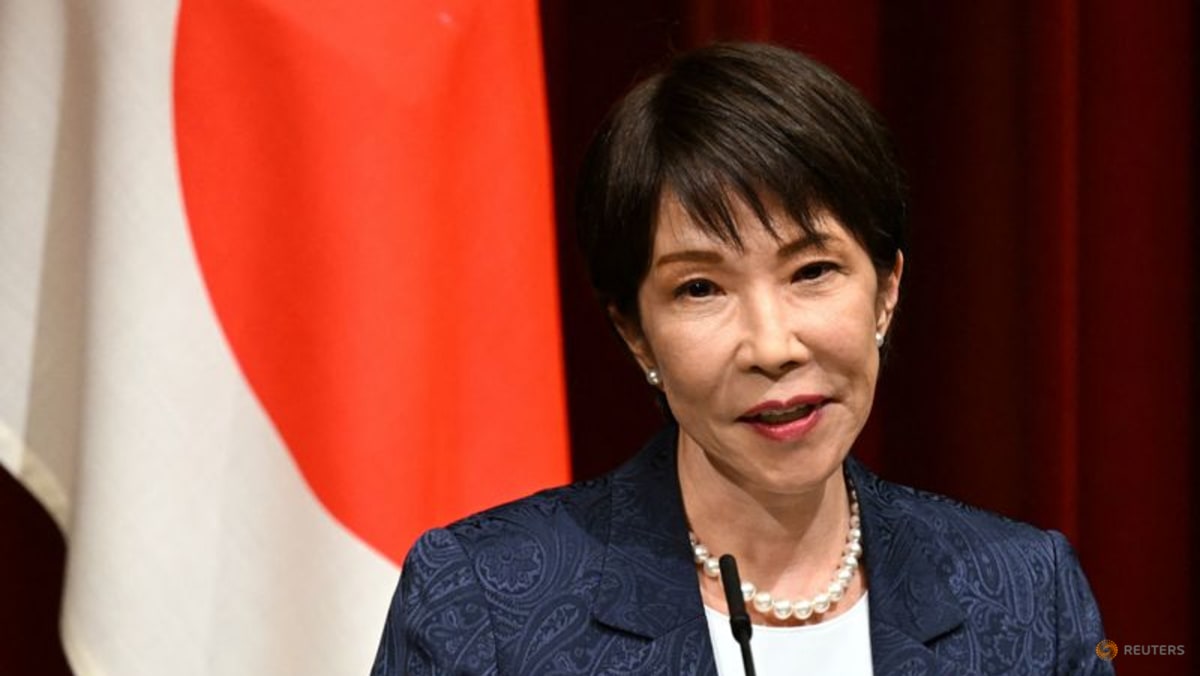
Japan's Takaichi unveils emergency cyber package after attacks
The prime minister says 10 billion yen will start a programme of AI-assisted defences, victim support and specialist response teams.

Macau jails ex-lawmaker Au Kam San for 12.5 years
The 69-year-old democracy campaigner was convicted of subversion after a closed-door trial, the first person sentenced under the city's national security law.
Google and Japan police shut Chinese firm's device backdoor
The Japan Times reports that more than 1.3 million internet-connected devices were caught in a botnet built through the backdoor.
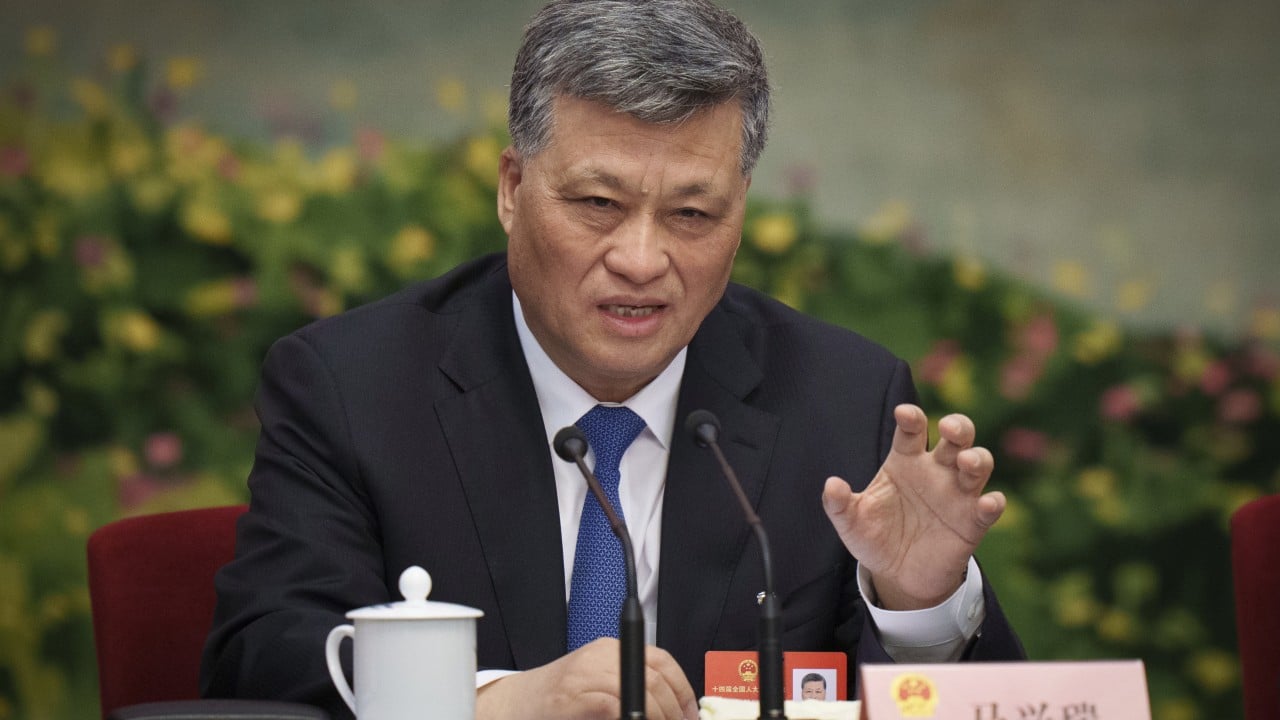
China indicts former Politburo member Ma Xingrui for bribery
State media said the bribery charges against the former Xinjiang party chief reach back to the late 1990s, and that he is the fourth Politburo member charged since Xi Jinping took power.