Closed Steel Mill Piles Up Rs79.3 Billion in Losses
Interest on old loans made up 72 percent of the three-year total, according to Ministry of Industries data.
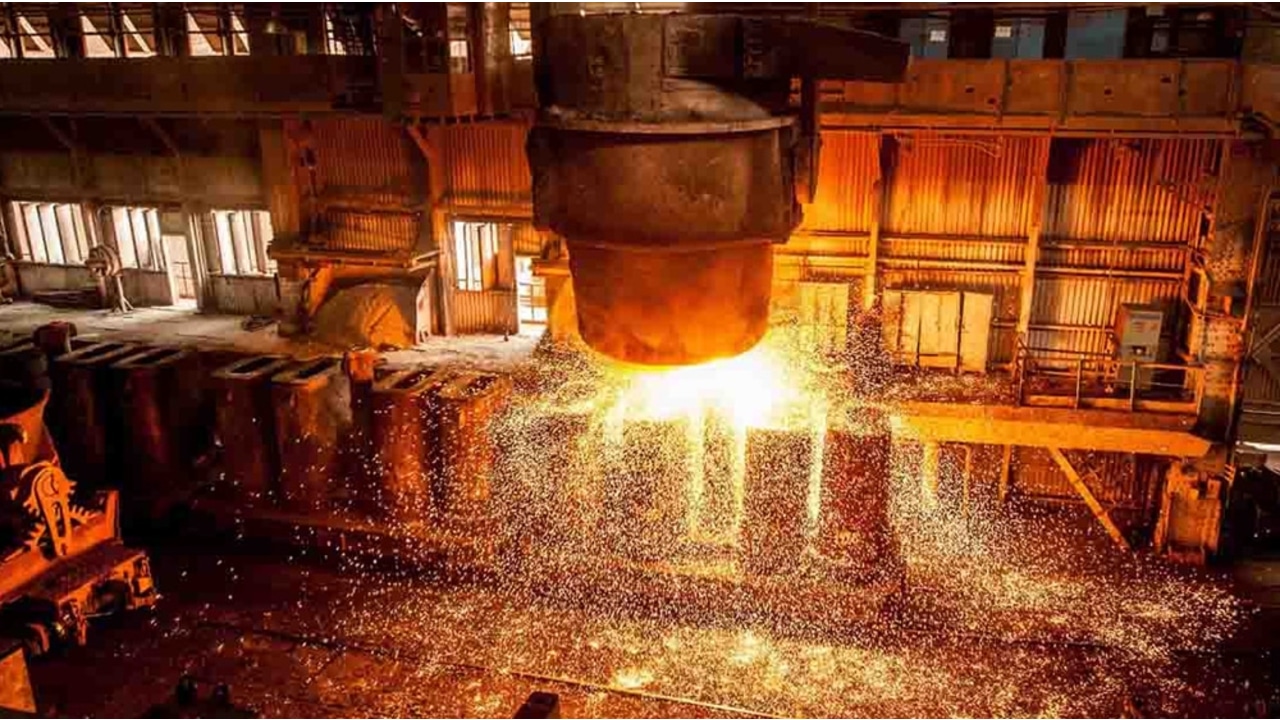
Pakistan Steel Mills (PSM) accumulated Rs79.3 billion in losses over the past three fiscal years despite having no production since the government closed it in June 2015, according to data from the Ministry of Industries. The figure covers FY2023-24 to FY2025-26.
Ministry data shows the mill recorded a loss of Rs24 billion in FY2025-26 alone. Interest on old loans was the main driver: Rs57.4 billion, about 72 percent of the total. In the latest fiscal year, interest payments reached Rs17.7 billion, including Rs11.8 billion on government loans and Rs5.2 billion on commercial bank loans.
As of FY2024-25, the mill's cash development loan stood at Rs108 billion, carrying an annual interest cost of about Rs11.5 billion. It also held more than Rs40 billion in bank loans, mainly from the state-owned National Bank of Pakistan.
The Central Monitoring Unit (CMU) had earlier recommended restructuring PSM's debt, but the measure was not implemented. The CMU said debt-to-equity swaps, negotiated write-downs and moving liabilities into a separate holding company were needed to reduce the burden that was blocking strategic investment.
Despite being closed, PSM continued to incur other costs. Employees were paid Rs3.9 billion in salaries over the three years, and Rs9.1 billion went to fuel, electricity, water and gas.
The CMU also said the mill suffered from technological obsolescence, accumulated liabilities and a lack of production capacity, leaving it unable to compete with imported steel. It recommended exploring joint ventures with global steel manufacturers to bring in technical expertise, foreign investment and access to export markets.
The unit warned that without changes to subsidy management, debt management and operations, PSM and other trading state-owned enterprises would continue to create financial pressure on the government.
ECP sets ward delimitation for Quetta and Kharian cantonment boards
Quetta moves from Class-II to Class-I and Kharian from Class-III to Class-II, with 10 wards fixed in Quetta and five in Kharian under notifications issued on 29 October.

Information ministry blames Kabul inaction for strained Pakistan-Afghanistan ties
The ministry rejected a Taliban spokesperson's account of the dispute, saying cross-border militancy remains the biggest obstacle to normal relations between the neighbours.

Tarar proposes national council on cyber security and digital literacy
The information minister used the PTA's Cyber Security Awareness Week to float a coordinating body and to call for digital literacy in school curricula.

Health minister says barcode scan will flag fake medicines from November
Mustafa Kamal told the National Assembly that hospitals will also have to buy all vaccines from Pakistan's own funds by 2030, at a cost of about $1.2 billion.