



Costa Rican journalist Camilo Rodríguez shot dead north of San José
Police say gunmen on a motorbike ambushed the 50-year-old in his car; he had said he was receiving threats from drug trafficking gangs.

Costa Rican journalist Camilo Rodríguez, who used social media videos to allege ties between public figures and drug traffickers, was shot dead on Monday afternoon north of the capital, San José, police said. He was 50.
Police said two gunmen on a motorbike ambushed Rodríguez while he was travelling in his car. He had said publicly that he was receiving death threats from drug trafficking groups.
Local media described the killing as the first of a journalist in Costa Rica in more than two decades. Reuters and The Guardian put the interval at 25 years.
Rodríguez worked in radio and print for several decades. In recent years he uploaded videos naming judges, business people and politicians he accused of corruption or of ties to known traffickers. In one video he said the home of President Laura Fernández had been built by a company he linked to a criminal gang. Fernández denied wrongdoing and took him to court for defamation.
In a video message after the shooting, Fernández condemned the attack, calling it "a stain on freedom of expression", and said she had instructed police to do everything possible to "punish Camilo's murderers".
Yanancy Noguera, president of the Costa Rican Journalists' Association, said "all evidence so far points to the silencing of a dissenting voice in Costa Rica", describing Rodríguez as a person who published information about organised crime in the country.
Attorney General Carlo Díaz said that "silencing someone who reports on drug trafficking or corruption, in this case a communicator, is a signal we cannot tolerate in a democratic society".
Rodríguez sought the presidential candidacy of the Costa Rican Renovation Party in 2021. Electoral authorities rejected it after the party failed to meet the criteria required to file candidates.
The shooting points to a wider shift in a country that has long recorded low homicide rates compared with its Central American neighbours. Transnational trafficking groups have been extending their presence, and the BBC reported that the killing came as those gangs drive up the country's formerly low murder toll.
Watch
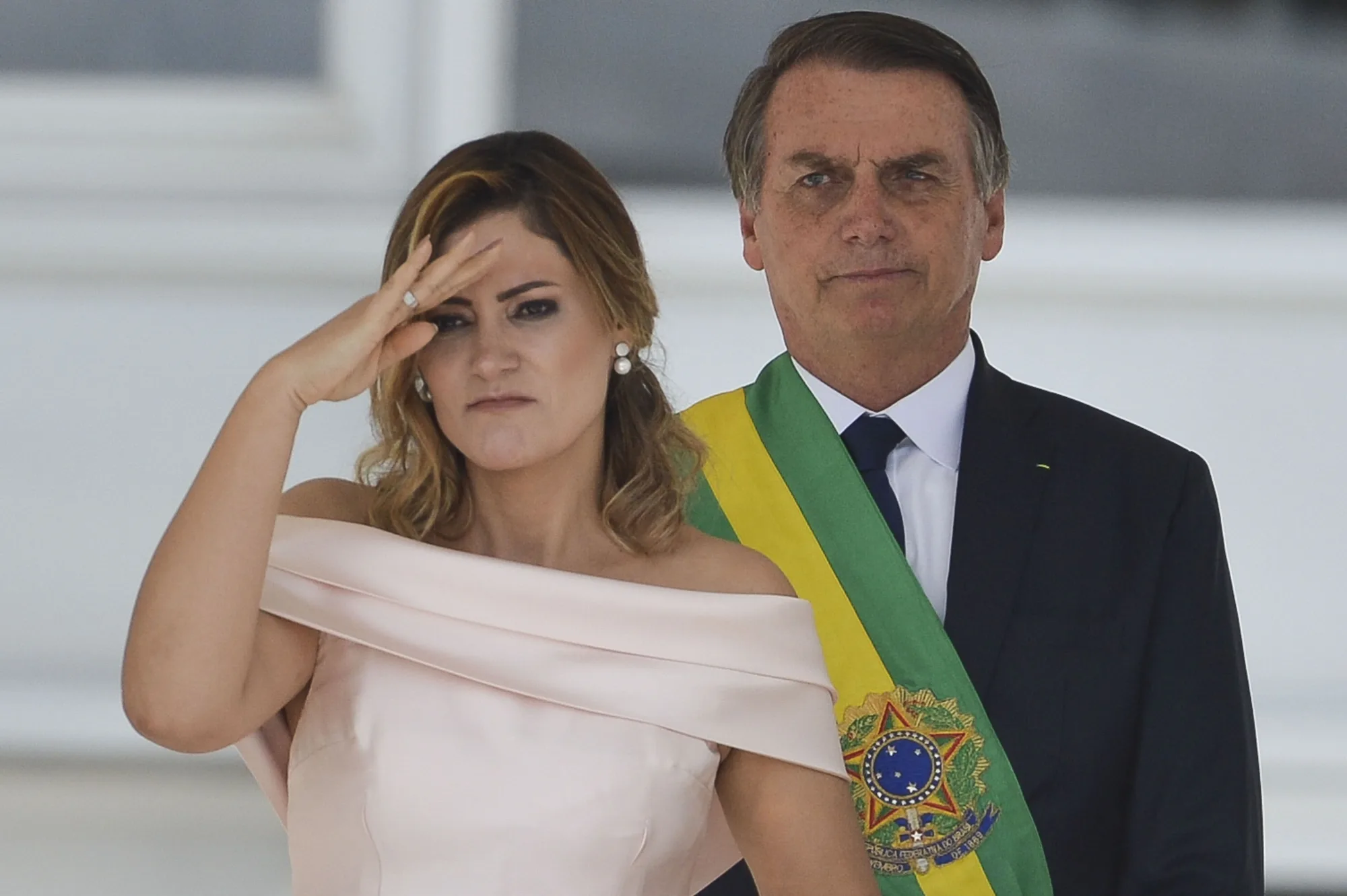
Jair Bolsonaro taken to Brasília hospital with abdominal pain
The 71-year-old former president is serving 27 years under house arrest for plotting a coup; his son said doctors found a near-complete intestinal obstruction.
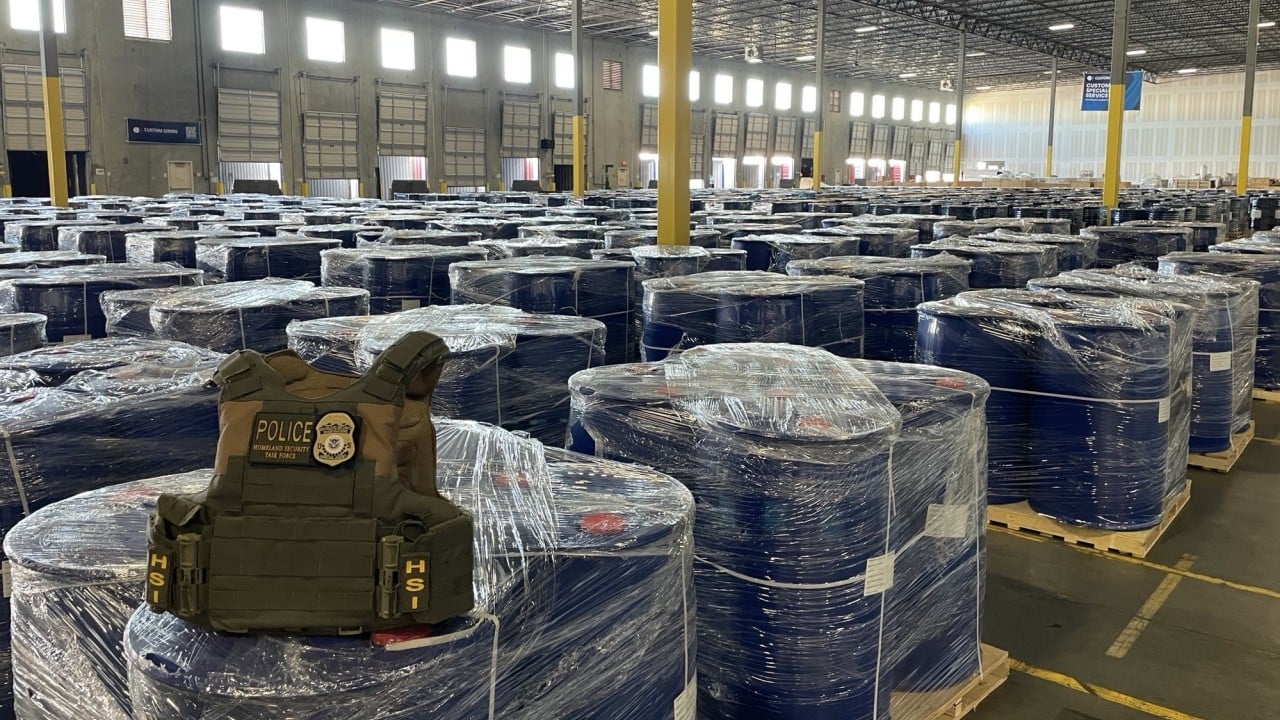
Mexico special forces capture FBI most-wanted cartel boss El Chapo Isidro
Fausto Isidro Meza Flores was held with two alleged gang leaders after a gun battle in Sinaloa that brought gunfire and burning vehicles to Guasave.

Mexico arrests FBI most-wanted suspect Chapo Isidro in Sinaloa
Fausto Isidro Meza Flores was flown to Mexico City with two alleged associates after gun battles and burning road blockades across northern Sinaloa.
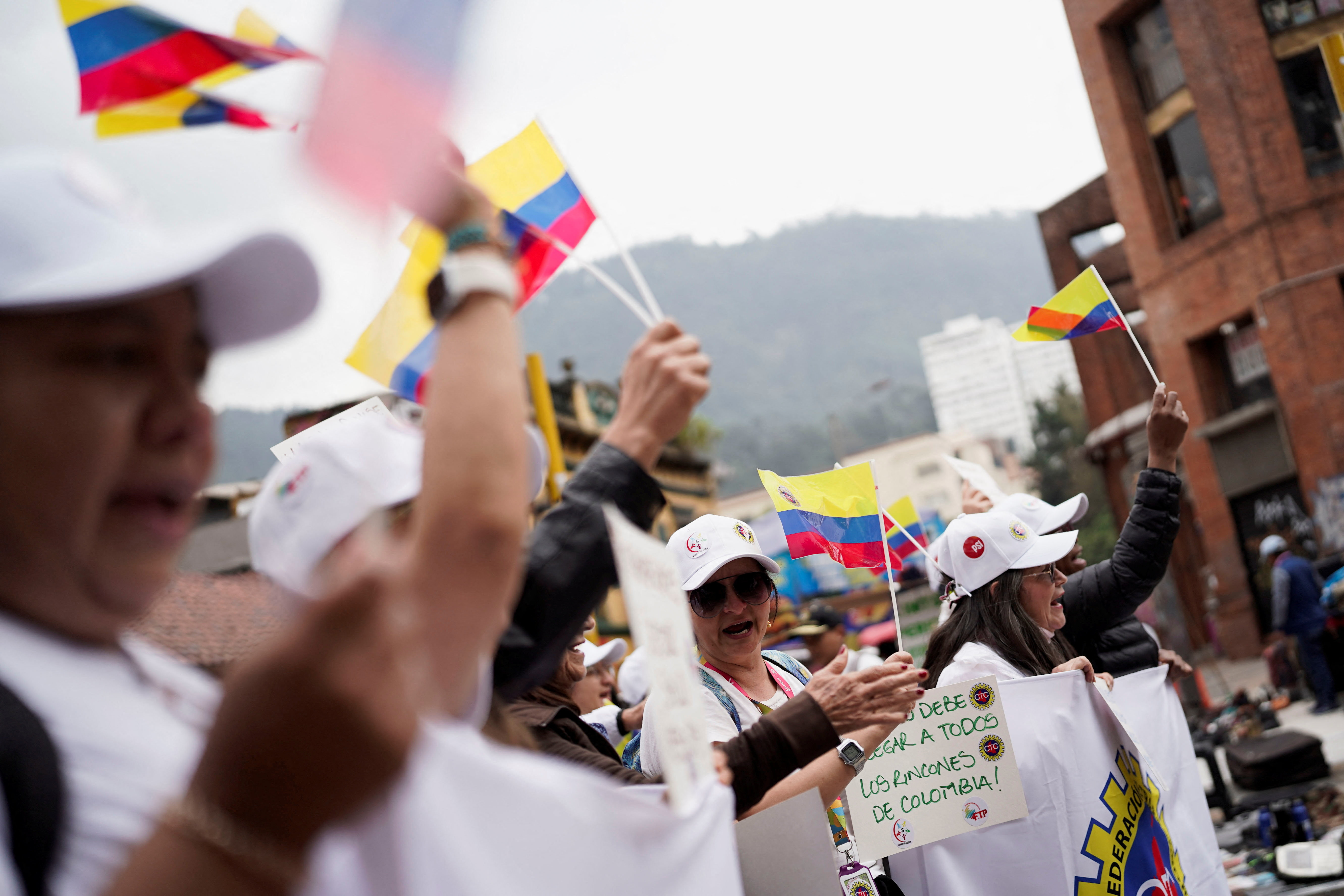
Colombians march nationwide against de la Espriella tax and health reforms
Trade unions and opposition parties called the second national demonstration since August, targeting a plan to lower the income tax threshold while cutting corporate tax.

Miami court convicts pastor Sanon over Haiti's Moïse killing
Christian Emmanuel Sanon, a Florida pastor born in Haiti, was found guilty of conspiring to kill Jovenel Moïse and faces life in prison at sentencing.
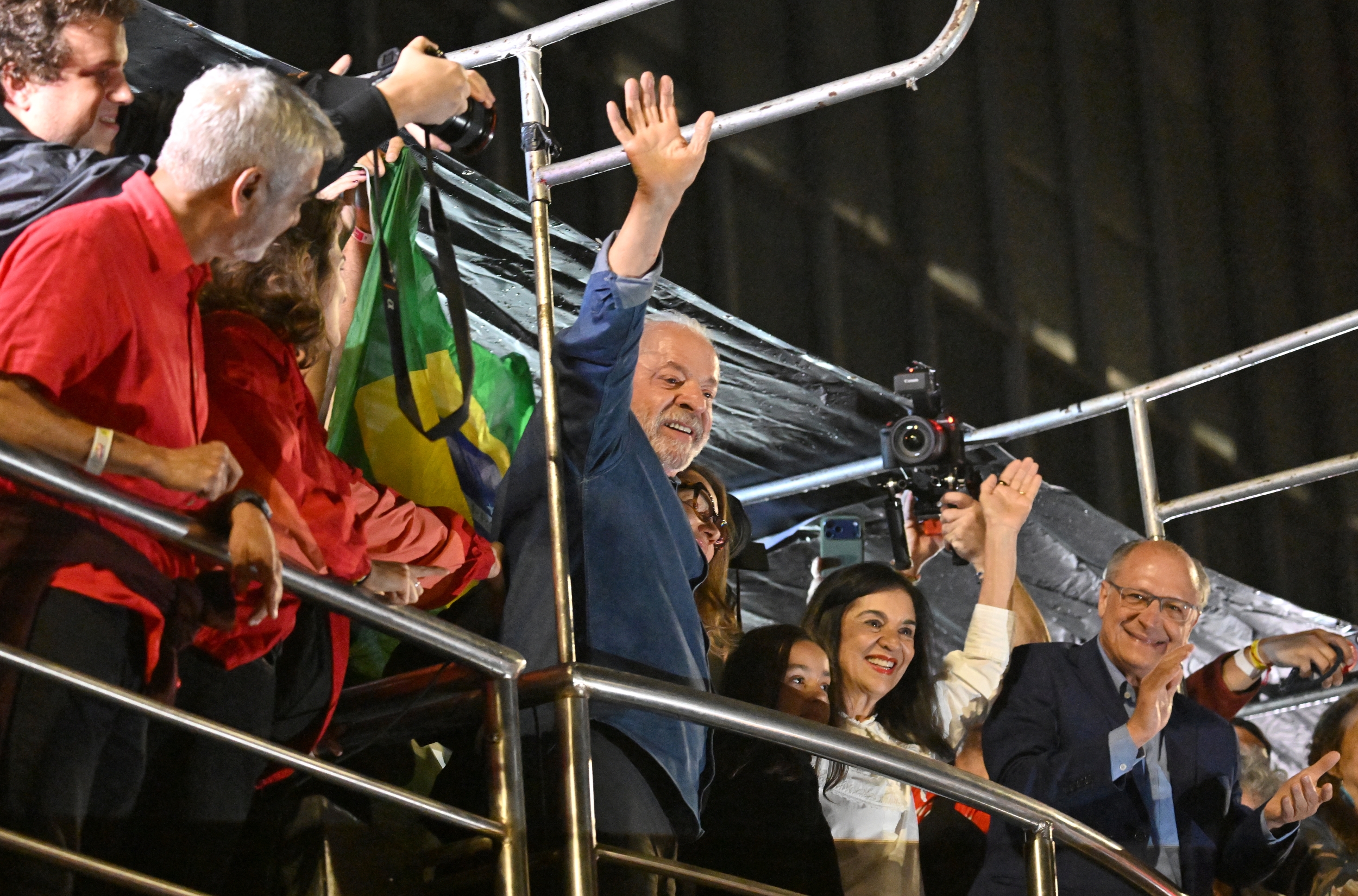
Brazil Senate approves Lula's $10 billion fiscal package
The bill, which still needs lower-house approval, slows spending growth and closes tax loopholes after election-year welfare increases; Sao Paulo's governor calls it insufficient.
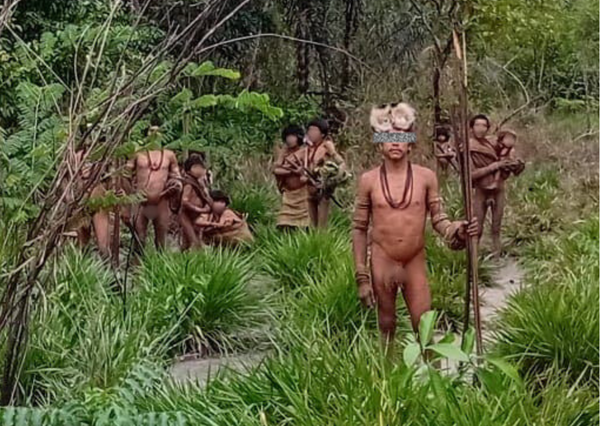
About 20 uncontacted Awá make contact in Brazil's Amazon
Survival International says the group asked a government team for yams as loggers and ranchers encroach on Arariboia territory.

Hegseth signs deal in Caracas to restore US-Venezuela military ties
The US defense secretary met Delcy Rodríguez and described January's capture of Nicolás Maduro as Latin America's most sophisticated military operation.