Cotton output down 60 percent in a decade, ginners' chief says
Dunya News and the Daily Times both carried the figure, but neither report gave the current crop size or the year the comparison starts from.
Pakistan's cotton production has fallen by 60 percent over the past decade, according to the head of the country's ginners' association, a decline that runs straight into the textile trade and the farming economy of Punjab and Sindh.
Dunya News reported the figure, quoting the ginners' chief. The Daily Times carried the same 60 percent decline in its own report.
Neither account, as published, named the official, gave the current size of the crop, or set out the year from which the ten-year comparison is drawn. The size of the fall in absolute terms could not be established from the reports available.
Cotton is Pakistan's principal non-food cash crop. It is grown mostly in Punjab and Sindh, ginned close to the fields, and spun and woven into yarn and cloth that account for a large share of the country's exports. A contraction on the scale the ginners' body describes implies less raw material for the mills, lower returns for growers and less work in the ginning season.
The ginners sit between the two. Their association speaks for the plants that separate lint from seed before the fibre is sold on to spinners, and its reading of a decade-long slide is an industry assessment rather than an official crop estimate.
Pakistan's crop estimates are compiled by the provincial agriculture departments and the federal statistics office. Neither Dunya News nor the Daily Times reported whether the government's own numbers support the 60 percent figure.
The reports did not say what the ginners' association blamed for the decline, and gave no year-on-year figure for the most recent harvest.
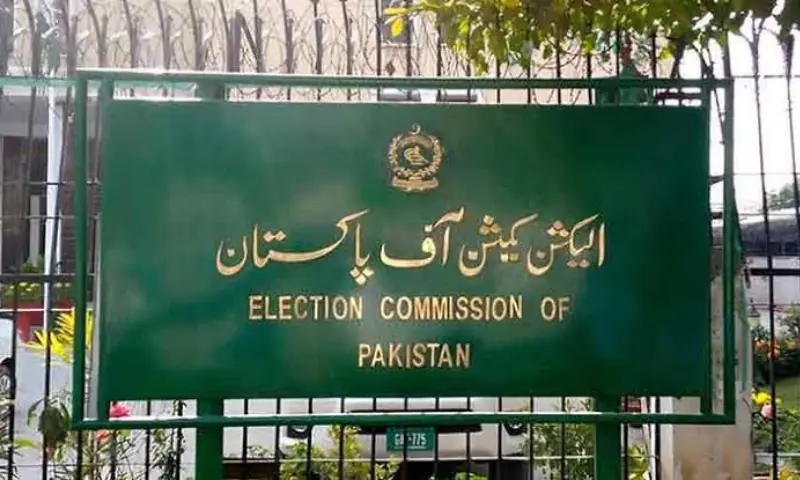
ECP sets ward delimitation for Quetta and Kharian cantonment boards
Quetta moves from Class-II to Class-I and Kharian from Class-III to Class-II, with 10 wards fixed in Quetta and five in Kharian under notifications issued on 29 October.

Information ministry blames Kabul inaction for strained Pakistan-Afghanistan ties
The ministry rejected a Taliban spokesperson's account of the dispute, saying cross-border militancy remains the biggest obstacle to normal relations between the neighbours.

Tarar proposes national council on cyber security and digital literacy
The information minister used the PTA's Cyber Security Awareness Week to float a coordinating body and to call for digital literacy in school curricula.

Health minister says barcode scan will flag fake medicines from November
Mustafa Kamal told the National Assembly that hospitals will also have to buy all vaccines from Pakistan's own funds by 2030, at a cost of about $1.2 billion.