



Egypt's Sisi offers investors reform plan at Cairo forum
The president told a World Economic Forum meeting that a December programme will expand private business, as Cairo seeks foreign capital and an IMF deal.
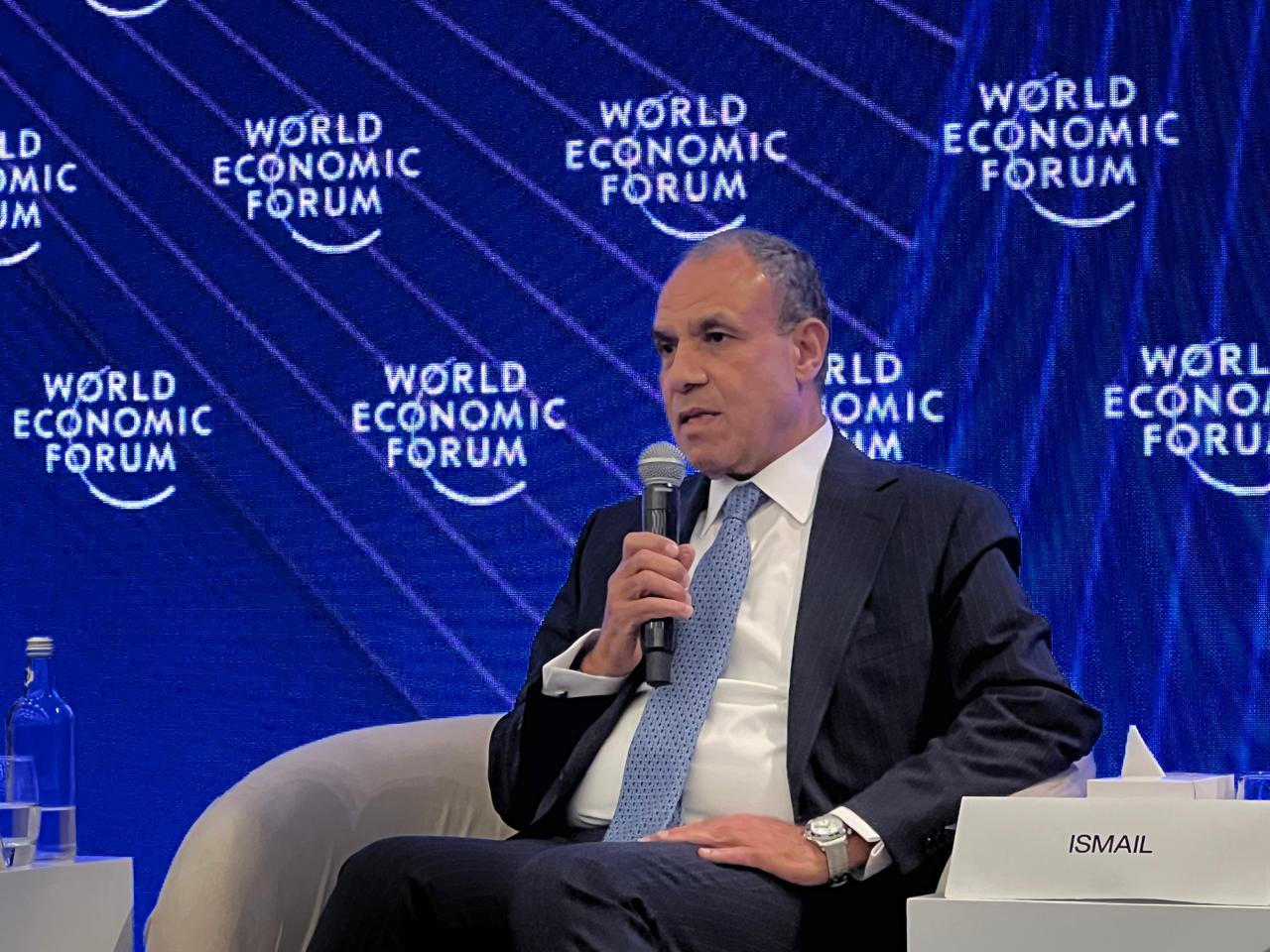
Egypt will announce an economic programme in December covering 2027 to 2030, President Abdel Fattah el-Sisi told a World Economic Forum meeting on Tuesday, saying it would raise productivity and give private companies a larger role.
El-Sisi told representatives of about 80 organisations, among them major companies and international financial institutions, that goods now cleared customs in an average of two days and that a flexible exchange rate had made it easier for foreign investors to send profits home. The presidency said the talks formed part of a two-day Country Strategy Meeting on Egypt.
He cited growth of 5.1% in the 2025-26 financial year and net foreign direct investment of $18bn. The cabinet said on Monday that the government wants private investment to reach 67% of total investment by 2030, and el-Sisi set a target for industry to reach 20% of economic output by 2030.
The investment drive comes as Cairo faces pressure to reduce debt and open more of the economy to private business. An August report by the International Monetary Fund warned that high debt and borrowing needs left Egypt exposed to economic shocks, and the fund said sales of state assets had moved more slowly than expected. Africanews reported that Egypt had secured a $2.3bn agreement with the IMF.
Speaking at a press conference at the Grand Egyptian Museum on Monday, Foreign Minister Badr Abdelatty said the turnout of international companies showed the resilience of Egypt's economy. He said Egypt had invested more than $600bn in infrastructure over the past decade and that private investment now accounted for more than 60% of the total, Arab News reported.
Investment and Foreign Trade Minister Mohamed Farid Saleh set out a foreign direct investment strategy drawn up with the World Bank, in an article the forum published on Monday. The first priorities are IT services, solar and wind power, food processing, clothing and transport, with data centres and green hydrogen to follow. Egypt's Golden Licence scheme lets eligible projects build and operate under a single cabinet approval.
El-Sisi repeated plans to bring Cypriot gas to the Idku and Damietta liquefaction plants for export to Europe by 2028, and to draw 45% of electricity from renewables by 2028. He said Suez Canal shipping was improving and repeated his estimate that Egypt had lost about $20bn in canal revenue in recent years.
In talks with European Bank for Reconstruction and Development president Odile Renaud-Basso on Tuesday, he discussed whether the bank could help establish new investment zones. The presidency announced no funding agreement. Arab News reported Renaud-Basso saying the EBRD had invested €17bn ($19.7bn) in Egypt since it began work there in 2012, including €2bn in 2026.
Watch
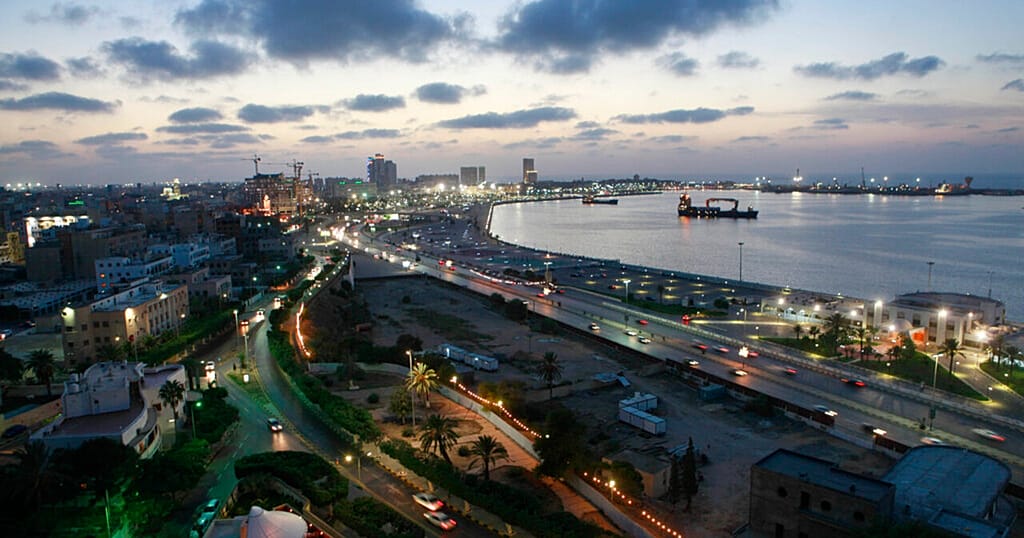
Egypt reopens Tripoli embassy after 12-year closure
Foreign Minister Badr Abdelatty opens the mission in Tripoli and discusses a gas pipeline and oil refining with Libya's western government.

IMF representative urges Pakistan to widen tax base and restructure energy sector
Mahir Binici says macroeconomic stabilisation is not enough, naming provincial tax mobilisation, governance and lower business costs among the priorities.

Trump says US can end Iran war without China or Russia
Anadolu Agency reported the US president saying Iran 'wants to make a deal' while Washington seeks a 'lasting' agreement, and that no outside help is needed.
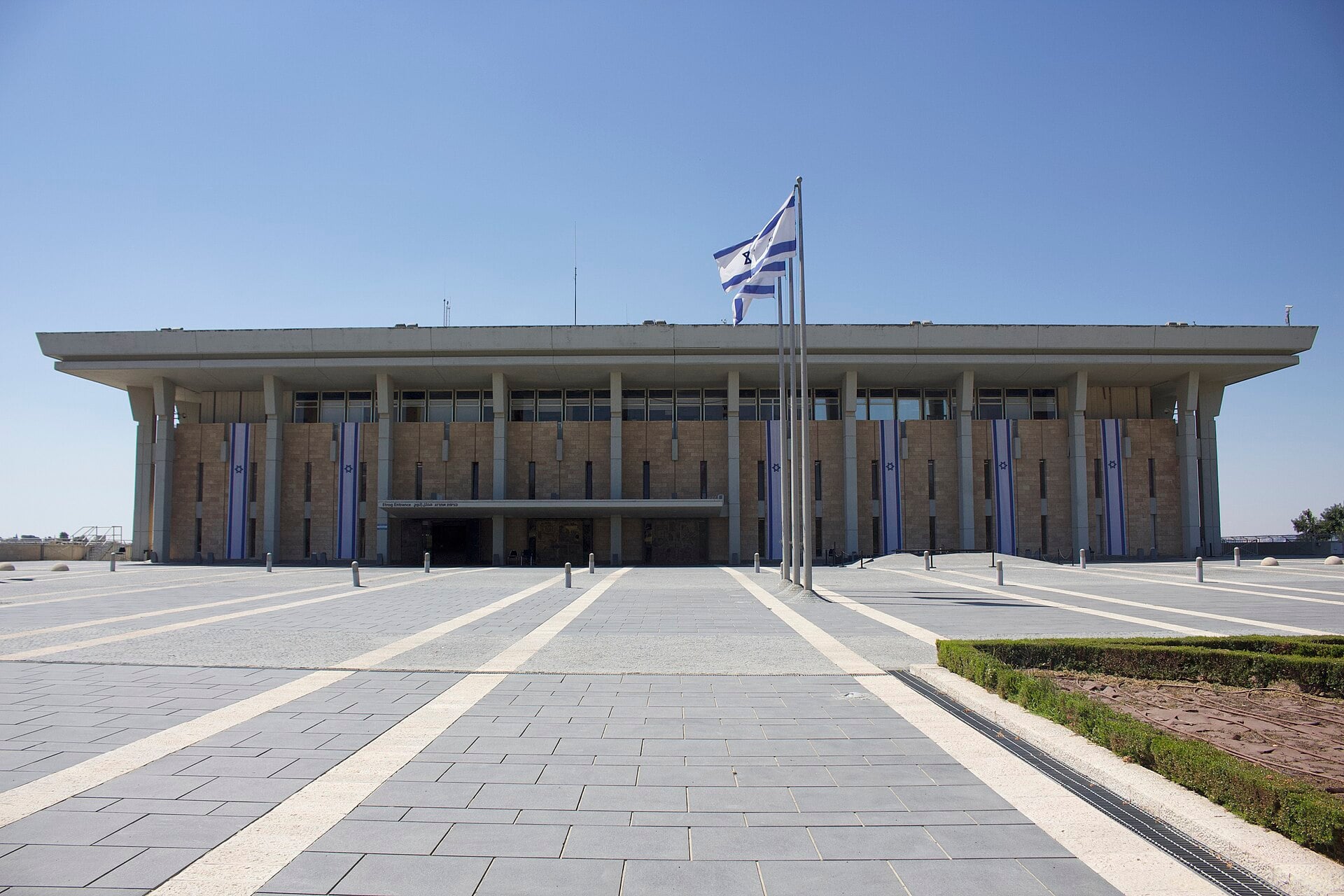
Israel's Eisenkot bloc says ousting Netanyahu is top priority
The former army chief, mandated to form a government after the 27 October election, faces a Knesset where neither camp holds the 61 seats needed.
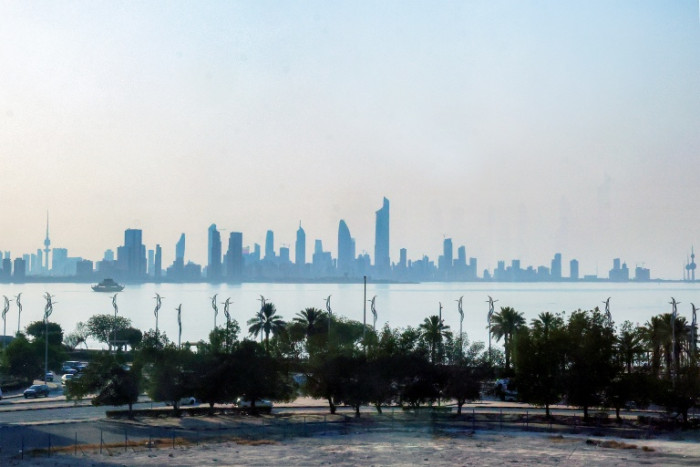
Iran strikes US bases in Kuwait and Bahrain after Qeshm raid
Kuwait activated air defences for the first time since early September as Qatar warned the exchanges could sink its mediation effort.

Israeli tanks enter central Gaza in first operation since ceasefire
The army says it crossed the Yellow Line to remove a threat to its troops; Hamas calls the move a violation of the US-brokered truce.
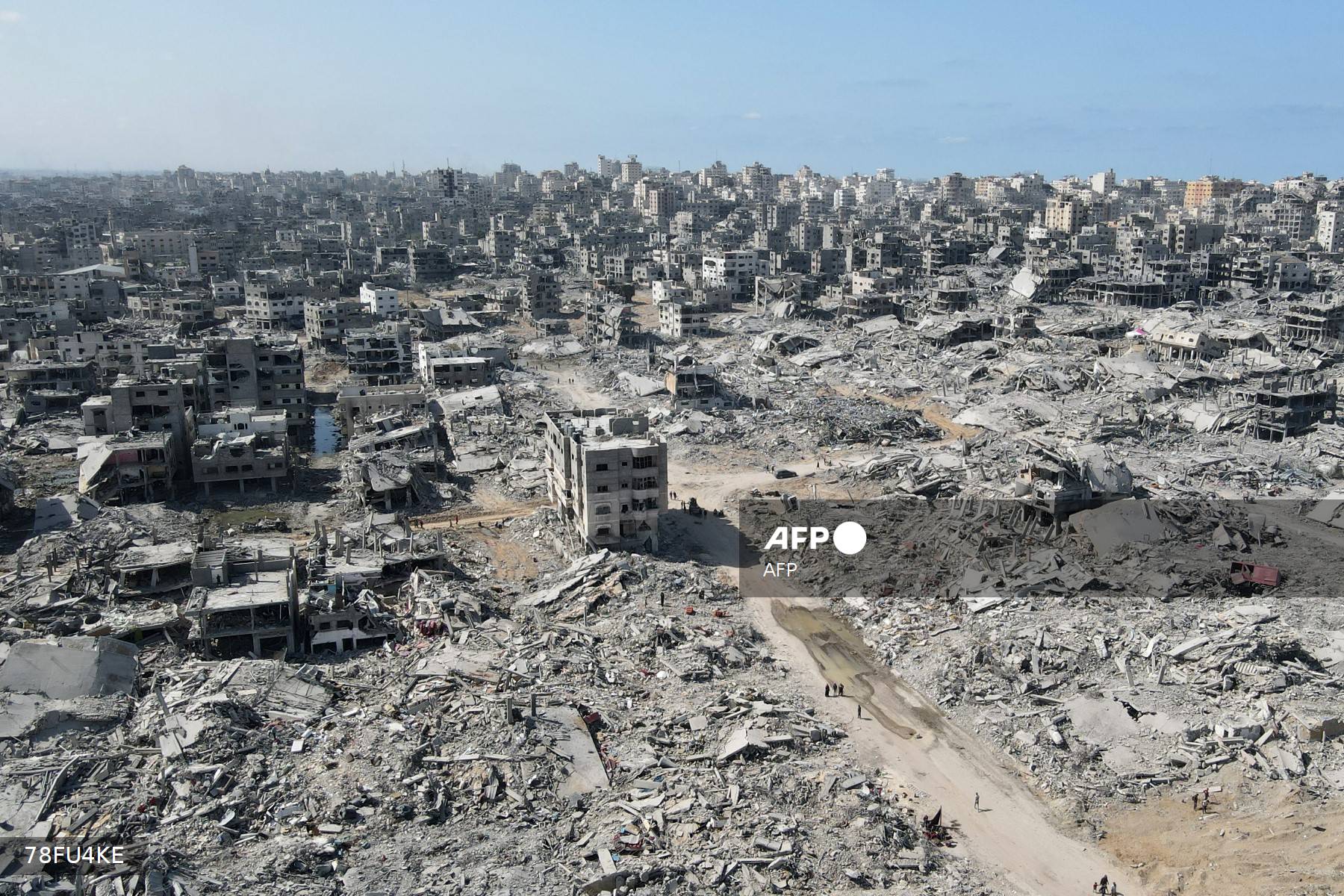
Board of Peace tells UN Gaza ceasefire risks collapse
The board overseeing the US-brokered truce says Israel has not approved police deployment or winter supplies, and Hamas has not disarmed, six months after its first warning.
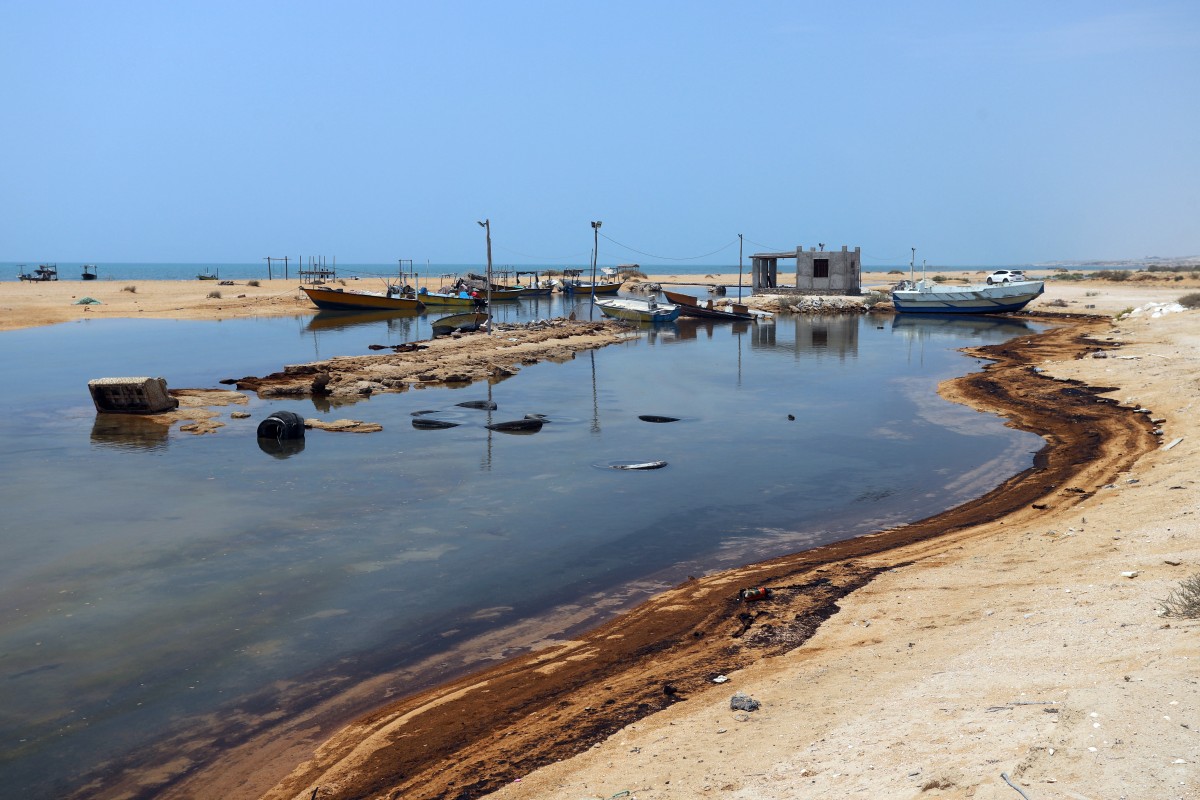
US strikes IRGC missile site on Iran's Qeshm Island
Kuwait and Bahrain are on alert after Iranian drone attacks, as Washington says the strike inside the Strait of Hormuz was self-defense.