



European Commission lifts EU growth forecast, sees inflation above 3%
Growth for this year is now put at 1.4% on strong exports of AI and grid equipment, but energy costs tied to the Iran war keep inflation at 3.3% this year and 3.2% in 2027.
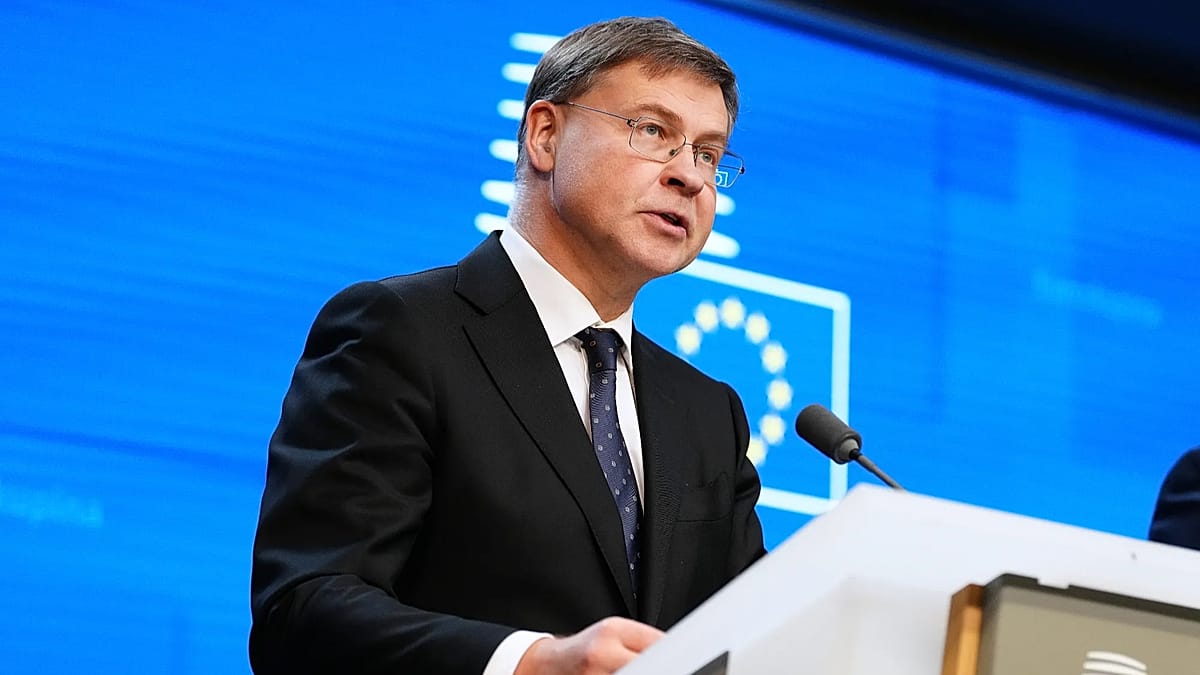
The European Commission raised its forecast for EU economic growth this year to 1.4% from the 1.1% it predicted in May, but said inflation will stay above 3% this year and next as energy prices remain high because of the Iran war.
The autumn forecast, published on Tuesday, puts EU inflation at 3.3% this year and 3.2% in 2027, against the 2.4% the Commission pencilled in for next year in the spring.
Exports drove the upgrade, with European firms selling power, cooling and chipmaking equipment for AI data centres and electricity grids worldwide. Eurozone growth is forecast at 1.2% this year and next, up from the 0.9% expected for 2026 in spring.
"In 2026, Europe's economy is holding up better than expected. But we cannot take this for granted, nor can we be content with resilience alone," the EU economy commissioner, Valdis Dombrovskis, told a press conference in Brussels on Tuesday.
Eurostat's flash estimate put eurozone inflation at 4% in October, a three-year high. The EU statistics office publishes its final figure on Wednesday. The Commission expects EU inflation to peak above 4% around the turn of the year and fall only to 2.3% in 2028.
Petrol and diesel prices should ease gradually next year. Household gas and electricity bills are likely to keep rising for months, because higher wholesale prices reach consumers slowly. Food inflation is set to climb from just above 2% this year to around 3% in 2027, after extreme heat and drought hit this summer's harvests and fertiliser costs jumped.
"Higher energy prices mean higher costs for households and businesses," Dombrovskis said. Poorer households are hit hardest, since food and energy take a larger share of their budgets.
The Commission said its inflation figure may already be too high. Oil and gas prices have fallen about 20% since the forecast's 29 October cut-off, after the US midterm elections eased fears of renewed strikes on Iran. If that holds, inflation next year could be a quarter of a percentage point lower, it estimated.
The EU's combined budget deficit is set to widen from 3.1% of GDP last year to 3.6% this year, driven by higher defence spending, rising interest costs and support for households and firms facing high energy bills. Interest payments reach 2.4% of economic output by 2028, the most in over a decade, while public debt rises from 82.6% of GDP last year to 85.6% in 2028.
Among the eurozone's four largest economies, Spain grows fastest this year at 2.6%, ahead of Germany at 1.3%, Italy at 1.0% and France at 0.4%. France's deficit stands at 5.5% of GDP and its unemployment rate is forecast to rise to 9.8% by 2028.
The Commission expects the EU to add around 800,000 jobs this year, with unemployment just above 6%, near its lowest on record, though joblessness among young people is creeping up. Wages are forecast to grow just 0.6% after inflation this year and next, down from 1.7% in 2025, and workers in eight countries including Spain and Italy face falling real pay this year.
Dombrovskis said "we have reached a critical juncture for fiscal policy" and urged governments to adopt prudent budgets in line with EU fiscal rules, which the Commission will assess next week.

IEA says oil market returning to surplus as Gulf exports recover
The Paris-based agency raised its fourth-quarter supply forecast and reported the first build in global inventories since June, though diesel remains tight.
LPG still sells at Rs550-600 a kilo as official price gap persists
The importers' association has warned of a further increase in November and slower supplies, with bowsers from the Taftan border now taking up to 12 days.

Germany rejects Pentagon criticism of Ukraine's deep strikes
Defence Minister Boris Pistorius called the US warning 'quite stupid' at a NATO meeting in Brussels, as Britain said strikes inside Russia save lives.

UK climate advisers warn weakening EV mandate would miss targets
The Climate Change Committee told Transport Secretary Heidi Alexander that softer zero-emission vehicle rules would raise household costs and leave the 2033-2037 carbon budget short.
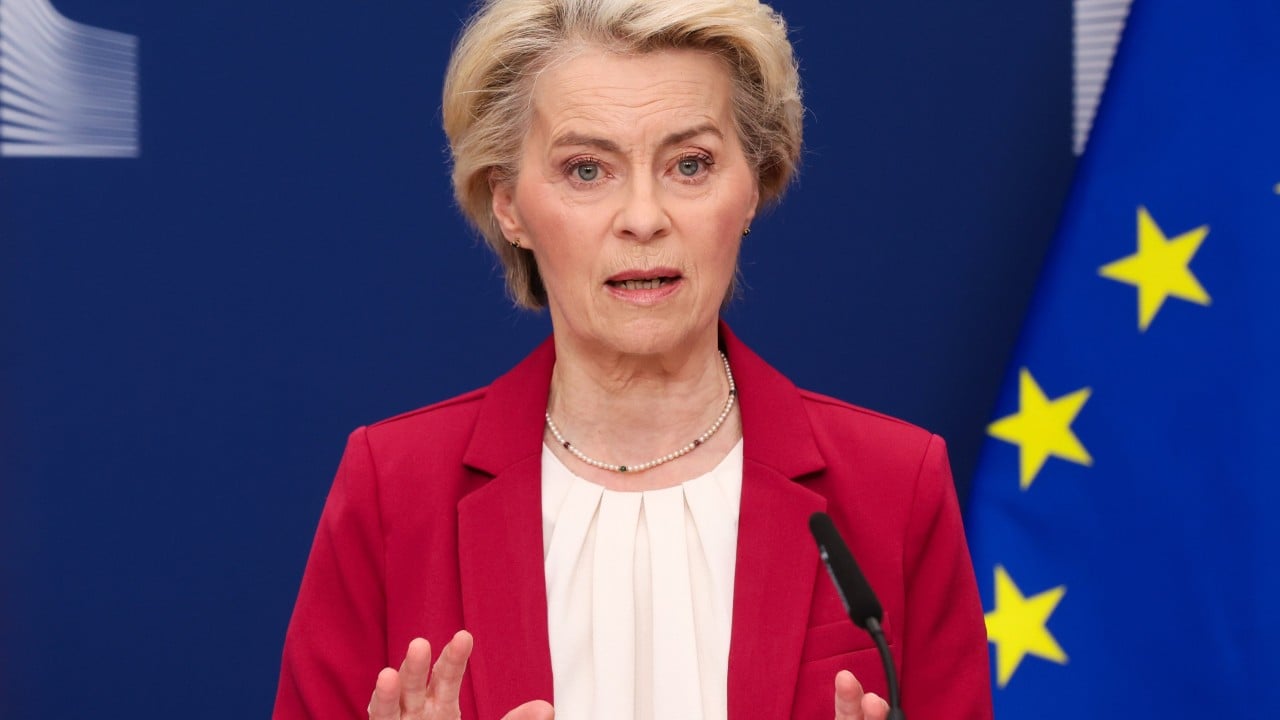
EU proposes €45bn Ukraine loan repaid from Russian reparations
Von der Leyen says the 2027 credit would cover about two-thirds of Kyiv's financing needs and be settled only after Moscow pays for the war.

UN warns hormone-disrupting chemicals pose growing global health threat
Two UN bodies say rules remain fragmented as evidence grows that exposure before birth can damage brain development, fertility and metabolism.

COP31 draft in Antalya urges immediate fossil fuel transition
The 18-page cover decision also proposes a mountain climate programme and tripling adaptation finance, as negotiators enter the final stretch.

NATO allies to discuss US troop cuts with Pentagon's Colby
European governments had feared the US would pull out as many as 25,000 troops; a smaller reduction is now more likely, according to The Japan Times.