FAO says Pakistan's food supply misses its own dietary guidelines
A policy brief finds vegetables, fruits, pulses and tubers in short supply while cereals and sugar exceed requirements, with over 60 per cent of Pakistanis unable to afford a healthy diet.
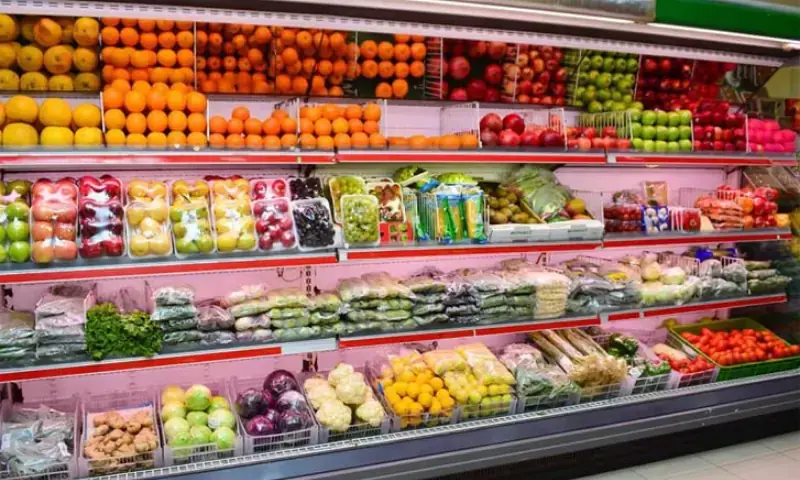
Pakistan's food supply is sharply out of step with the country's own dietary guidelines, with vegetables, fruits, roots and tubers, and pulses all in major shortage while cereals and sugar are available in excess of what a healthy diet requires, according to a Food and Agriculture Organisation policy brief.
The brief, titled "Food Supply for Healthy Diets in Pakistan", was reported by Dawn on Monday. It measures what the national food system makes available against the dietary guidelines Pakistan has set for itself and finds the balance tilted towards cereals and sugar and away from the food groups that supply micronutrients and fibre.
According to the report, more than 60 per cent of Pakistanis cannot afford a healthy diet. On that basis the FAO brief describes ensuring equitable access to diverse, nutritious, safe and affordable foods as a policy imperative, framing the gap as a question of access rather than of total calories available.
The finding was carried by several Pakistani outlets. Minute Mirror reported that the country's food supply falls short of healthy diet requirements, while Profit reported that the gaps in nutritious food supply are widening. All three accounts rest on the same FAO policy brief.
The reports did not set out the full list of recommendations in the brief, nor the size of the shortfall in each food group. They record the direction of the mismatch: too little of the fresh and pulse foods the guidelines prescribe, and too much of the cereals and sugar they ask households to limit.
The brief's central point is that a food system can be adequate in volume and still inadequate in quality: and that the cost of the missing food groups puts a healthy diet beyond the reach of most households in the country.
ECP sets ward delimitation for Quetta and Kharian cantonment boards
Quetta moves from Class-II to Class-I and Kharian from Class-III to Class-II, with 10 wards fixed in Quetta and five in Kharian under notifications issued on 29 October.

Information ministry blames Kabul inaction for strained Pakistan-Afghanistan ties
The ministry rejected a Taliban spokesperson's account of the dispute, saying cross-border militancy remains the biggest obstacle to normal relations between the neighbours.

Tarar proposes national council on cyber security and digital literacy
The information minister used the PTA's Cyber Security Awareness Week to float a coordinating body and to call for digital literacy in school curricula.

Health minister says barcode scan will flag fake medicines from November
Mustafa Kamal told the National Assembly that hospitals will also have to buy all vaccines from Pakistan's own funds by 2030, at a cost of about $1.2 billion.