FBR notifies new tax rules for social media earnings
The rules target Pakistanis living abroad and others earning through user interactions in Pakistan, at a five percent rate introduced in the budget.

ISLAMABAD: The Federal Board of Revenue (FBR) has issued new rules to tax income earned from social media content, a measure that will apply to non-resident Pakistanis and to anyone generating earnings through user interactions in Pakistan. The rules were notified through SRO 1642 of 2026 and released on Wednesday, according to Dawn.
The rules give effect to a five percent tax rate on social media content earnings that was introduced in the federal budget. Dawn reported that the notification covers all individuals who earn money through user interactions in Pakistan. The tax will apply once a person's audience crosses a certain size, although the exact threshold was not disclosed in the reports.
Pakistan Today also carried the development, describing the rules as tax rules for social media influencers. The outlet's report did not add details beyond the FBR notification.
The FBR has not yet released further information on how the tax will be collected, which social media platforms are covered, or what compliance requirements will apply to non-resident earners. The notification marks the government's effort to bring digital income into the tax net, as announced in the budget. It remains unclear how the FBR will identify or reach non-resident Pakistanis who earn from Pakistani audiences.
The rules are likely to affect content creators and influencers with substantial Pakistani audiences, though the threshold for taxation has not been made public. Further clarifications are expected from the FBR in the coming days.
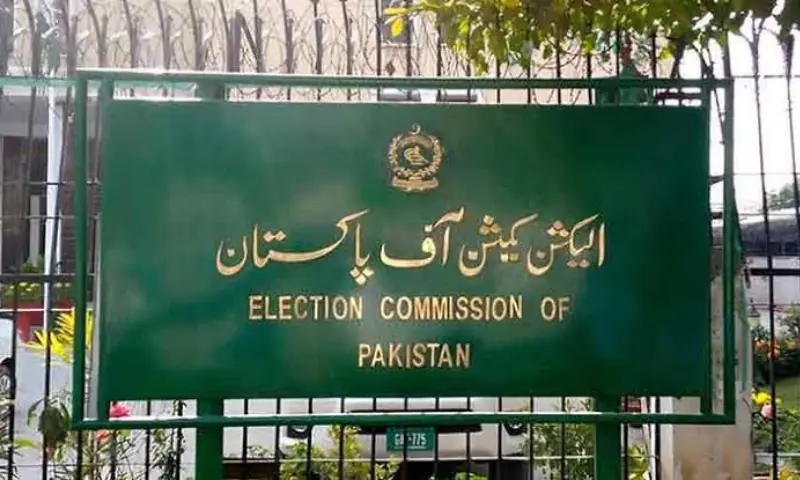
ECP sets ward delimitation for Quetta and Kharian cantonment boards
Quetta moves from Class-II to Class-I and Kharian from Class-III to Class-II, with 10 wards fixed in Quetta and five in Kharian under notifications issued on 29 October.

Information ministry blames Kabul inaction for strained Pakistan-Afghanistan ties
The ministry rejected a Taliban spokesperson's account of the dispute, saying cross-border militancy remains the biggest obstacle to normal relations between the neighbours.

Tarar proposes national council on cyber security and digital literacy
The information minister used the PTA's Cyber Security Awareness Week to float a coordinating body and to call for digital literacy in school curricula.

Health minister says barcode scan will flag fake medicines from November
Mustafa Kamal told the National Assembly that hospitals will also have to buy all vaccines from Pakistan's own funds by 2030, at a cost of about $1.2 billion.