FPCCI and textile exporters reject SBP rate hike to 12 percent
Industry bodies say costlier credit will slow manufacturing and exports and want single-digit rates, while foreign investors welcomed the 50-basis-point increase, Profit reported.
Business groups have criticised the State Bank of Pakistan's decision to raise the policy rate by 50 basis points to 12 percent, saying costlier credit will squeeze manufacturers and weaken Pakistani exports in international markets.
The Federation of Pakistan Chambers of Commerce and Industry said the increase, reported by ProPakistani, would add to borrowing costs for firms already facing high operating expenses, rising utility tariffs and tight liquidity. FPCCI President Atif Ikram Sheikh warned that tighter monetary policy could slow industrial expansion, discourage investment and hurt the competitiveness of Pakistani exports abroad.
Sheikh argued that inflation in Pakistan is driven largely by supply-side constraints, energy costs and fiscal problems rather than excess demand, and that higher interest rates would burden productive industries without addressing those causes. He called on the government and the central bank to bring the policy rate down to single digits, saying small and medium-sized enterprises, traders and large manufacturers need affordable credit to invest in technology and move into value-added production.
The chamber also warned that high rates raise debt-servicing costs for both the government and private borrowers, adding to fiscal pressure and limiting growth. It asked policymakers to consult the business community before taking decisions that directly affect economic activity, and to align rates with regional benchmarks.
Textile exporters took a similar position. TechJuice reported that the Pakistan Textile Exporters Association said the 50-basis-point increase would add to pressure from expensive energy and raw materials and weaken the industry's position in international markets.
Not everyone opposed the decision. Profit by Pakistan Today reported that foreign investors backed the increase to 12 percent even as local businesses warned of higher costs, leaving the central bank to weigh investor confidence against industry's demand for cheaper credit.
The 12 percent policy rate sets the benchmark around which commercial banks price loans to businesses and consumers. Neither the central bank nor the government had publicly responded to the criticism at the time of filing.
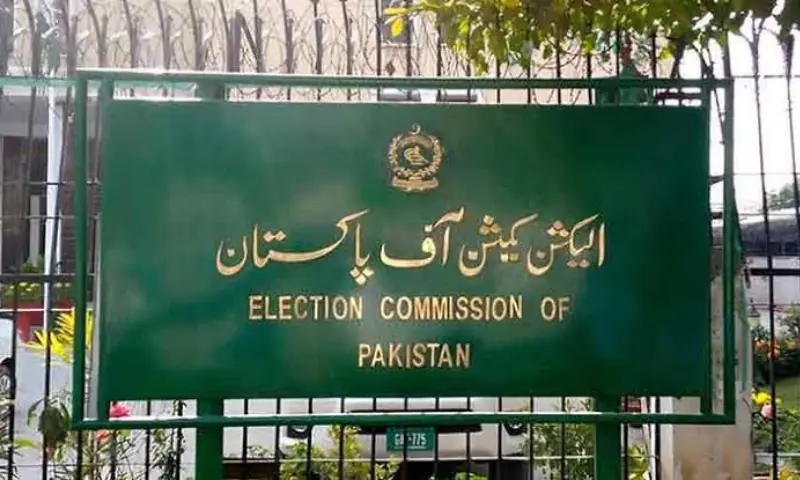
ECP sets ward delimitation for Quetta and Kharian cantonment boards
Quetta moves from Class-II to Class-I and Kharian from Class-III to Class-II, with 10 wards fixed in Quetta and five in Kharian under notifications issued on 29 October.

Information ministry blames Kabul inaction for strained Pakistan-Afghanistan ties
The ministry rejected a Taliban spokesperson's account of the dispute, saying cross-border militancy remains the biggest obstacle to normal relations between the neighbours.

Tarar proposes national council on cyber security and digital literacy
The information minister used the PTA's Cyber Security Awareness Week to float a coordinating body and to call for digital literacy in school curricula.

Health minister says barcode scan will flag fake medicines from November
Mustafa Kamal told the National Assembly that hospitals will also have to buy all vaccines from Pakistan's own funds by 2030, at a cost of about $1.2 billion.