Global oil prices drop to two-week low on Hormuz reopening hopes
Brent crude fell $2.01 to $98.33 a barrel and WTI dropped $2.50 to $93.28 as Saudi pipeline activity resumed.
Global crude oil prices fell to their lowest level in two weeks on Tuesday as expectations of improved supply from the Gulf and a possible reopening of the Strait of Hormuz eased market concerns, Express News reported. UrduPoint also carried the story, reporting that petrol prices in the global market had dropped to a two-week low.
Brent crude for November delivery fell $2.01, or 2 percent, to $98.33 a barrel, while West Texas Intermediate for October delivery dropped $2.50, or 2.61 percent, to $93.28 a barrel, Express News said, citing international media reports.
The decline followed signals from Iran that the Strait of Hormuz could reopen within seven days, which reduced fears about crude availability. Saudi Arabia has restarted operations on its East-West pipeline, and oil exports from the Red Sea port of Yanbu were expected to resume on Tuesday, the report added.
Experts cited by the outlet said the potential increase in Gulf supply had lowered concerns about an immediate shortage, putting pressure on prices. Hamad Hussain, senior economist at Capital Economics, was quoted as saying the development could be a positive sign that diplomacy is moving forward, but a lasting solution would require agreement on other issues, including tolls and fees.
Express News also reported that the closure of the Strait of Hormuz had caused petrol shortages worldwide, pushing up fuel and essential commodity prices. Iran indicated it would fully reopen the strait within a week if the United States ended its naval blockade, according to the report. The fall partially unwound some of the recent surge triggered by the strait's closure.
For Pakistan, which relies heavily on imported crude and refined products, the decline in global oil prices could ease pressure on domestic petrol and diesel rates in the next pricing cycle.
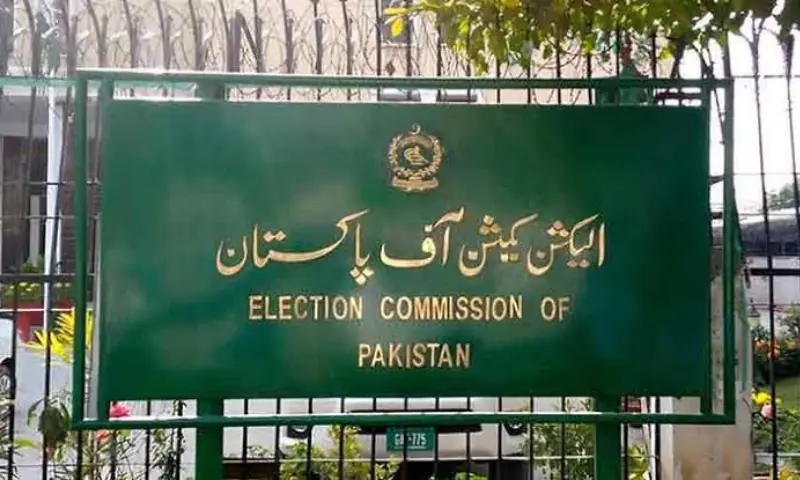
ECP sets ward delimitation for Quetta and Kharian cantonment boards
Quetta moves from Class-II to Class-I and Kharian from Class-III to Class-II, with 10 wards fixed in Quetta and five in Kharian under notifications issued on 29 October.

Information ministry blames Kabul inaction for strained Pakistan-Afghanistan ties
The ministry rejected a Taliban spokesperson's account of the dispute, saying cross-border militancy remains the biggest obstacle to normal relations between the neighbours.

Tarar proposes national council on cyber security and digital literacy
The information minister used the PTA's Cyber Security Awareness Week to float a coordinating body and to call for digital literacy in school curricula.

Health minister says barcode scan will flag fake medicines from November
Mustafa Kamal told the National Assembly that hospitals will also have to buy all vaccines from Pakistan's own funds by 2030, at a cost of about $1.2 billion.