Government drafting policy to shield poor households from LPG price rise
Petroleum Minister Ali Pervaiz Malik told the National Assembly that OGRA's notified Rs280 rate applies only to locally produced LPG, with no policy yet for imports.

Federal Petroleum Minister Ali Pervaiz Malik told the National Assembly on Monday that the government is preparing a policy to protect low-income households from rising liquefied petroleum gas (LPG) prices, with winter expected to push up demand for alternative fuels.
Answering a Calling Attention Notice on the sharp increase in LPG prices, the minister said Prime Minister Shehbaz Sharif had already held two to three meetings on the issue. He said the prime minister was fully aware of the difficulties faced by consumers and that progress would be visible soon.
Malik said the Oil and Gas Regulatory Authority's notified rate of Rs280 applied to locally produced LPG, while no policy was currently in place for imported LPG.
The proposed policy, he said, would examine supply difficulties through land borders and arrangements to import alternative supplies from Oman and Saudi Arabia. A comprehensive policy would be presented soon to improve supplies and provide relief to deserving consumers, he told the house.
Explaining the pricing mechanism, the minister said locally produced LPG was also linked to the international contract price set by Saudi Aramco, which had risen to $705 per tonne and was contributing to changes in notified prices, the Daily Times reported. He said the government was examining additional costs associated with LPG supplies because no adequate mechanism existed to cover them. Locally produced and imported LPG could not be treated differently in the market, he added, and enforcement action by OGRA could create further complications.
Malik also said Pakistan's gas supply had been affected by the suspension of around 900 million cubic feet per day (MMCFD) of gas from Qatar because of the war, forcing the government to ration available supplies. He acknowledged that demand for alternative fuels would rise as winter approached, according to the Daily Times.
The National Assembly later passed seven government bills clause by clause by majority vote: the Frontier Constabulary (Re-organization) Bill, 2025; the Pakistan Study Centres (Amendment) Bill, 2026; the Federal Board of Intermediate and Secondary Education (Amendment) Bill, 2026; the Travel Agencies (Amendment) Bill, 2026; the Pakistan Tourist Guides (Amendment) Bill, 2026; the Pakistan Hotels and Restaurants (Amendment) Bill, 2026; and the Motion Pictures (Amendment) Bill, 2026.
The National College of Arts Institute (Amendment) Bill, 2025 was then taken up for passage, but MNA Sohail Sultan pointed out a lack of quorum.
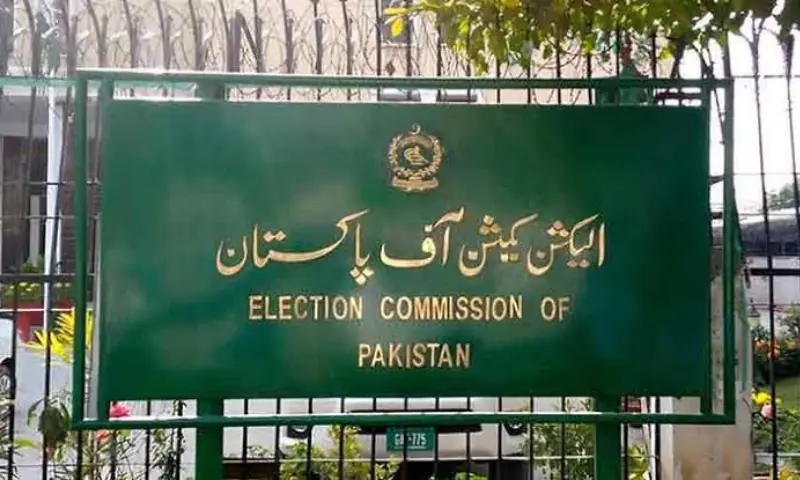
ECP sets ward delimitation for Quetta and Kharian cantonment boards
Quetta moves from Class-II to Class-I and Kharian from Class-III to Class-II, with 10 wards fixed in Quetta and five in Kharian under notifications issued on 29 October.

Information ministry blames Kabul inaction for strained Pakistan-Afghanistan ties
The ministry rejected a Taliban spokesperson's account of the dispute, saying cross-border militancy remains the biggest obstacle to normal relations between the neighbours.

Tarar proposes national council on cyber security and digital literacy
The information minister used the PTA's Cyber Security Awareness Week to float a coordinating body and to call for digital literacy in school curricula.

Health minister says barcode scan will flag fake medicines from November
Mustafa Kamal told the National Assembly that hospitals will also have to buy all vaccines from Pakistan's own funds by 2030, at a cost of about $1.2 billion.