Heat cuts Punjab cotton seed germination to nearly 30 percent
Cotton Ginners Forum says high temperatures opened bolls early and threatened certified seed supply for coming season.

High temperatures in Punjab's cotton belt have cut seed germination to nearly 30 percent this season, down from a normal rate above 70 percent, Dawn reported on 24 September. The drop has raised fears of a certified seed shortage for the 2026-27 cotton crop and could affect next season's sowing.
Cotton Ginners Forum chairman Ihsanul Haq told Dawn that temperatures in key cotton-growing areas reached 40 to 41 degrees Celsius, against the roughly 30 degrees needed for healthy germination. The heat caused cotton bolls to open prematurely, he said.
Normally, germination stays above 70 percent when temperatures are suitable. This year's figure fell to close to 30 percent as the mercury climbed, the report said.
The report described the temperature rise as unprecedented. It did not give separate figures for the area affected or the volume of seed at risk. Ua.News carried the same Dawn report without adding new details.
Seed germination is the first stage of the cotton crop. If germination fails, farmers must either replant at extra cost or accept a thinner plant stand, which can reduce final yield. Quality seed is especially important because the next crop's sowing depends on seed collected from the current harvest.
Cotton is Pakistan's main non-food cash crop and a key input for the textile industry. Punjab grows most of the country's cotton, making any disruption in seed supply a national concern.
Haq is chairman of the Cotton Ginners Forum, a body that represents ginning factories across the province. His comments to Dawn were published as the cotton season moves toward harvest.
The warning comes as Punjab prepares for the next cotton cycle. Certified seed is a key input for sowing, and any shortfall could push farmers toward uncertified seed or delay planting, though the report did not quantify the possible shortage or say whether any relief measures were being considered.

Fakhar Zaman's 127 sets up Pakistan's tri-series final win
Pakistan chased 326 with nine balls to spare at Gaddafi Stadium after losing Babar Azam for a five-ball duck inside the first four overs.
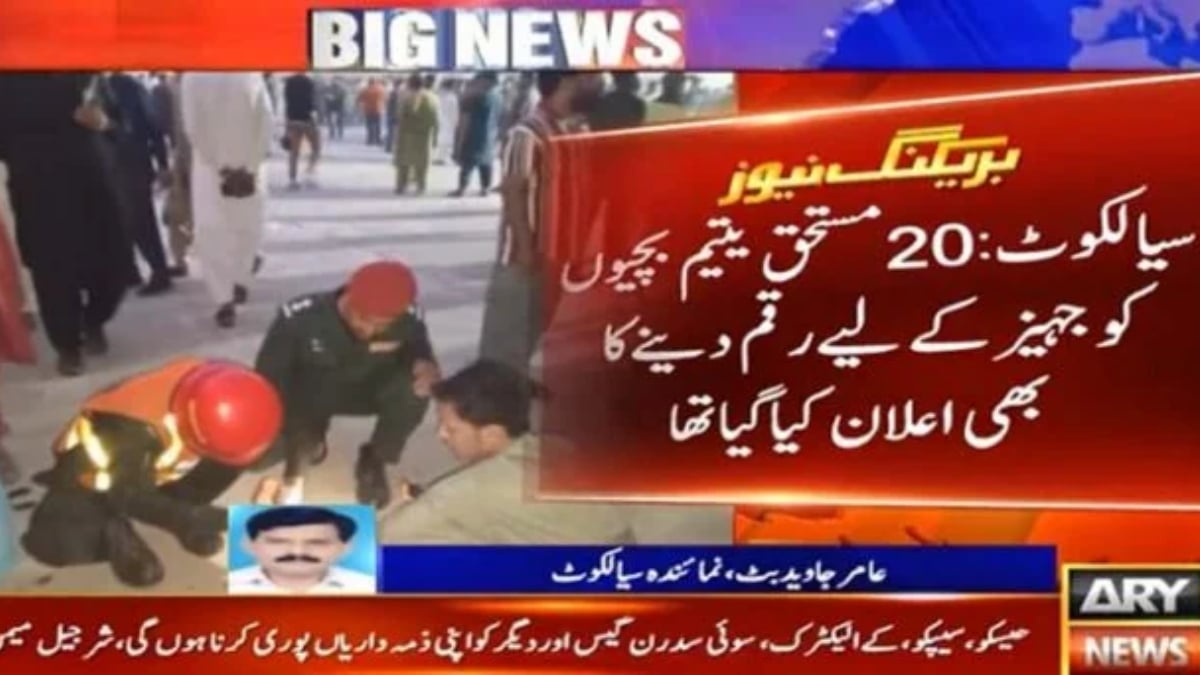
One dead, 14 injured in Sialkot mehndi ceremony stampede
Crowd surged when gates opened at Faraz Cricket Ground on Daska Road, where TikToker Muhammad Ansar Jatt was to give away 50 motorcycles, a car and cash.

Punjab Assembly speaker rejects unilateral suspension of Indus Waters Treaty
Malik Muhammad Ahmad Khan says the treaty's status must be decided under international law, as Dunya News reports the attorney general vowing to continue the legal fight with India.

Punjab healthcare commission makes uniforms mandatory for hospital staff
Doctors will wear blue, paramedical staff green and laboratory workers white coats under directives issued under Section 4(2)(o) of the PHC Act 2010