


Hundreds of thousands rally in Prague against public media funding overhaul
Organisers put the crowd at 350,000 to 450,000, the biggest protest since Czech independence; the government says the change protects nothing but the broadcasters' budgets.

Hundreds of thousands of people filled Prague's Letna park on Sunday to oppose a government plan to end the licence fee and pay for Czech Television and Czech Radio out of the state budget, a change critics say would leave public broadcasting dependent on politicians.
The organising group Million Moments for Democracy put the crowd at between 350,000 and 450,000, its head Mikulas Minar said. Czech Radio described it as the largest protest since the Czech Republic became independent in 1993. Households now pay 205 crowns ($9.44) a month for the two broadcasters. The government says the switch is needed so they can cut costs, and that it will not affect editorial independence or what they broadcast.
The coalition of Prime Minister Andrej Babis, in office since December 2025, joins his ANO party with the far-right SPD and the Eurosceptic Motorists. Parliament took the bill through its first reading late last month in an overnight vote, at 4:36, a time demonstrators have turned into a slogan. Two more readings are needed before it becomes law.
Culture Minister Oto Klempir introduced the proposal in April. It would cut the two broadcasters' budgets by around 15%. Staff at Czech TV and Czech Radio held a one-day strike on 3 November, and students and others rallied in several cities.
"Political attacks against private and public media have become one of the hallmarks of Andrej Babis' premiership," Pavol Szalai, head of the Prague bureau of Reporters Without Borders, said in June. The European Broadcasting Union, the European Federation of Journalists, Reporters Without Borders and the International Press Institute have all criticised the bill, drawing comparisons with public media under Hungary's former leader Viktor Orban and Slovakia's Prime Minister Robert Fico.
Babis said last week that "nobody wants to control public media, let alone nationalise them" and that "none of what the people are protesting against... is true".
Many in the crowd wore folded paper hats shaped like Vecernicek, the animated character who has introduced Czech Television's nightly bedtime stories for decades. "We need to keep media independent. The government is taking steps to control them, cut their funding and affect what they broadcast," computer programmer Jan Snasel told AFP.
Minar presented a petition calling on the government to withdraw the bill and also demanding the dismissal of parliament speaker Tomio Okamura, the SPD chairman, whom he accused of endangering national security through his "pro-Russian" party. Lucie Fajfrova, a Prague teacher and researcher, said she had come out for "free media, Czech TV, Czech Radio, but also culture, environment protection".
Babis's ANO still polls around 30%. Trust in the media in the Czech Republic stands at 30 to 33%, according to the Reuters Institute's Digital News Report 2026, which found that public service broadcasters remain the country's most trusted media brands.
How the reports differ
Reuters put the crowd in the tens of thousands in its headline, while the BBC reported organisers' figure of "roughly 400,000" and CNA carried Mikulas Minar's range of 350,000 to 450,000. CNA alone reported the 3 November strike by Czech TV and Czech Radio staff, the petition against the bill and against speaker Tomio Okamura, the government's 15% budget cut, Babis's polling near 30% and the Reuters Institute trust figures. The BBC led on the press-freedom argument and the comparison with Viktor Orban's Hungary, and was alone in quoting Reporters Without Borders' Pavol Szalai, in a comment from June. Euronews framed the rally as the largest so far against Babis's three-party government, and Audacy filed a headline with no crowd figure at all.
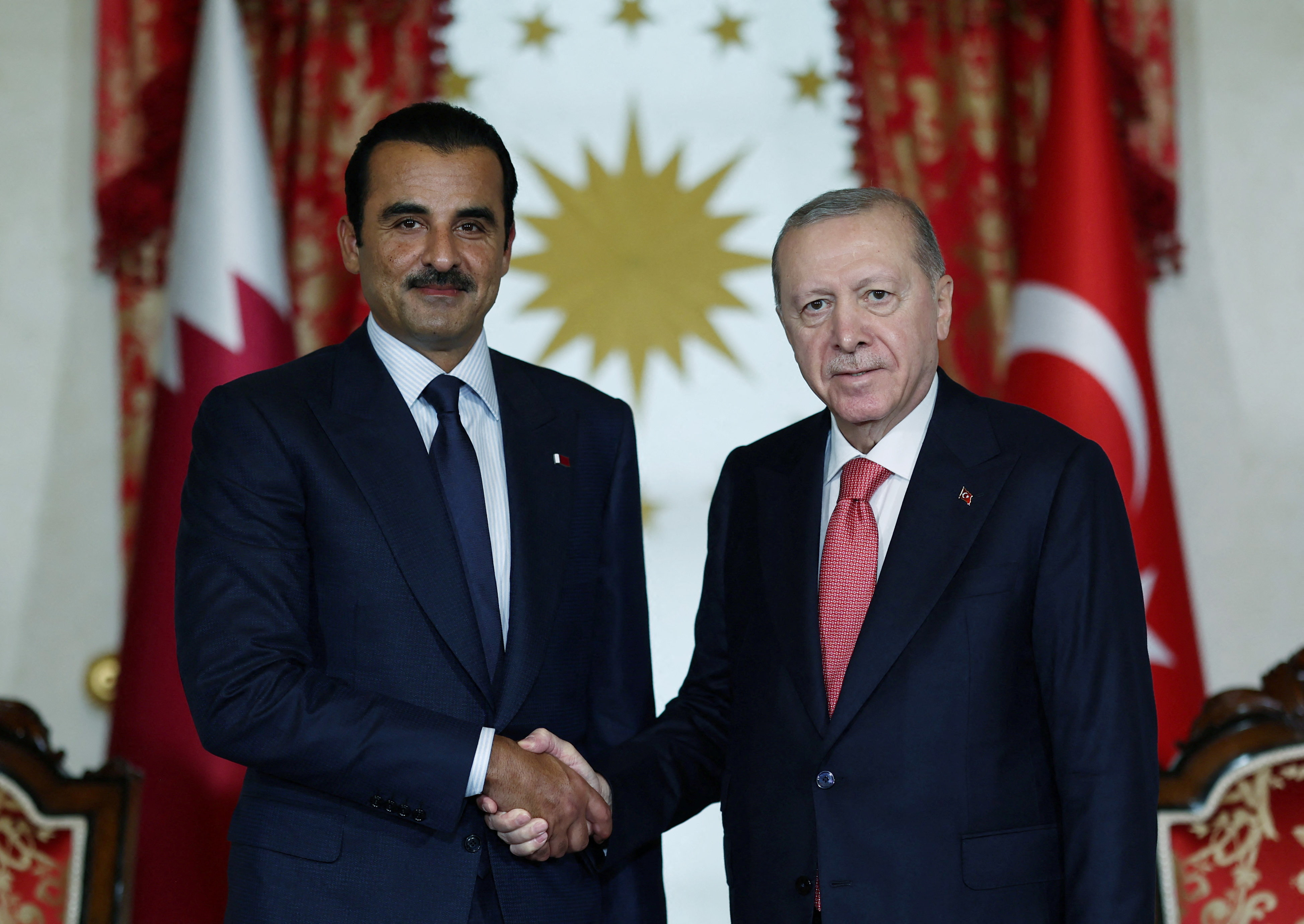
Turkey and Qatar sign mutual defence agreement in Istanbul
Erdogan says the pact adds "a new dimension" to ties with Doha, after Emir Sheikh Tamim bin Hamad Al Thani attended COP31 in southern Turkey.
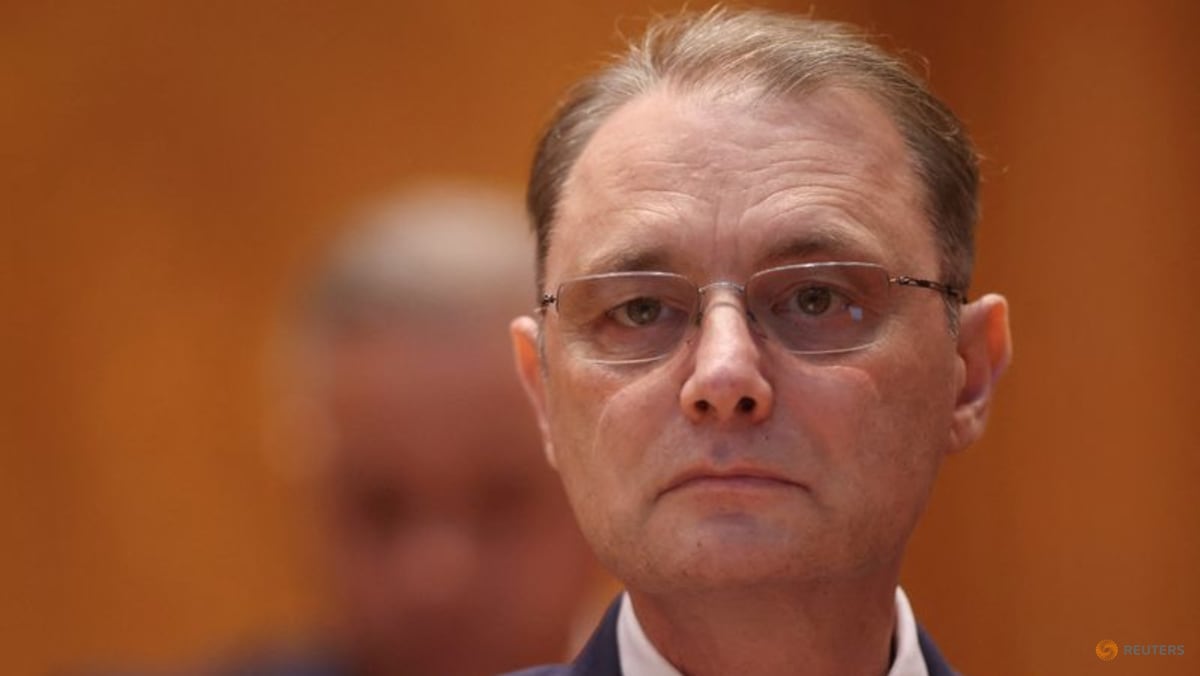
Romania says drones struck three ships near Sulina canal
Prime Minister Luca Niculescu called the strikes a violation of international law and said fighter jets scrambled twice. No injuries were reported.
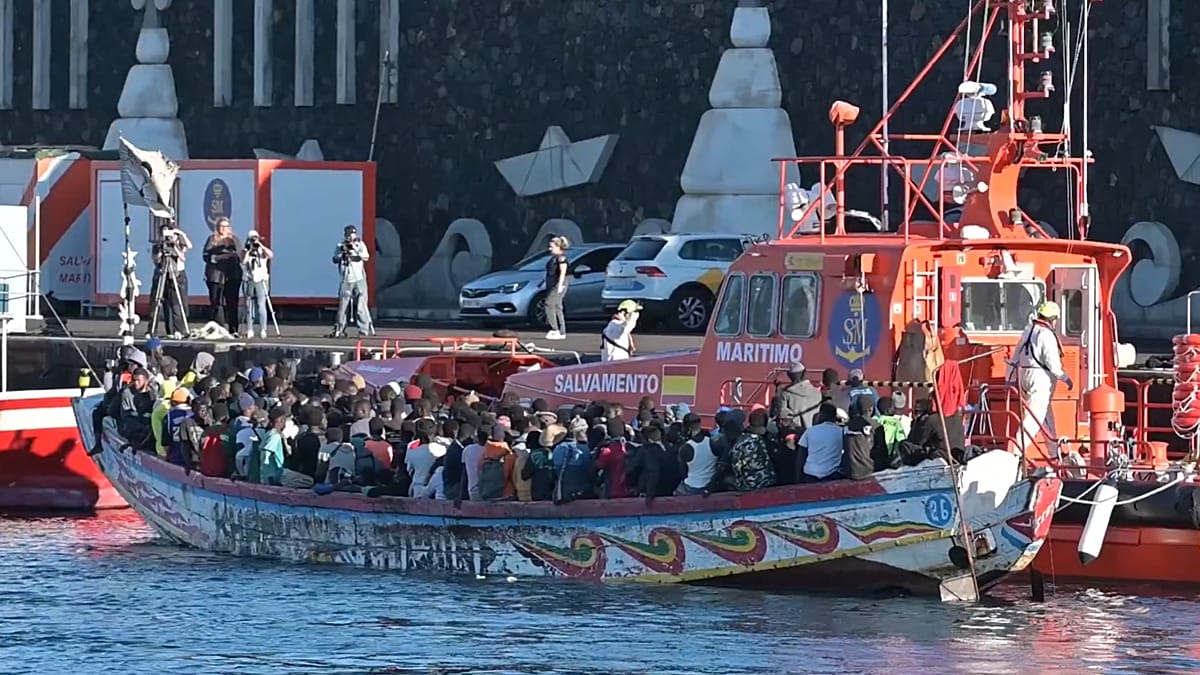
Spain's Canary Islands record 1,488 arrivals in one day
Twelve boats landed on El Hierro alone, and the island council has declared a social emergency after more than 8,000 arrivals in five weeks.

EU leaders name five states to represent Europe in Ukraine talks
Latvia's Andris Kulbergs tells AFP Moscow is in no position to demand a new security framework, as EU leaders in Dublin settle who negotiates with Russia.
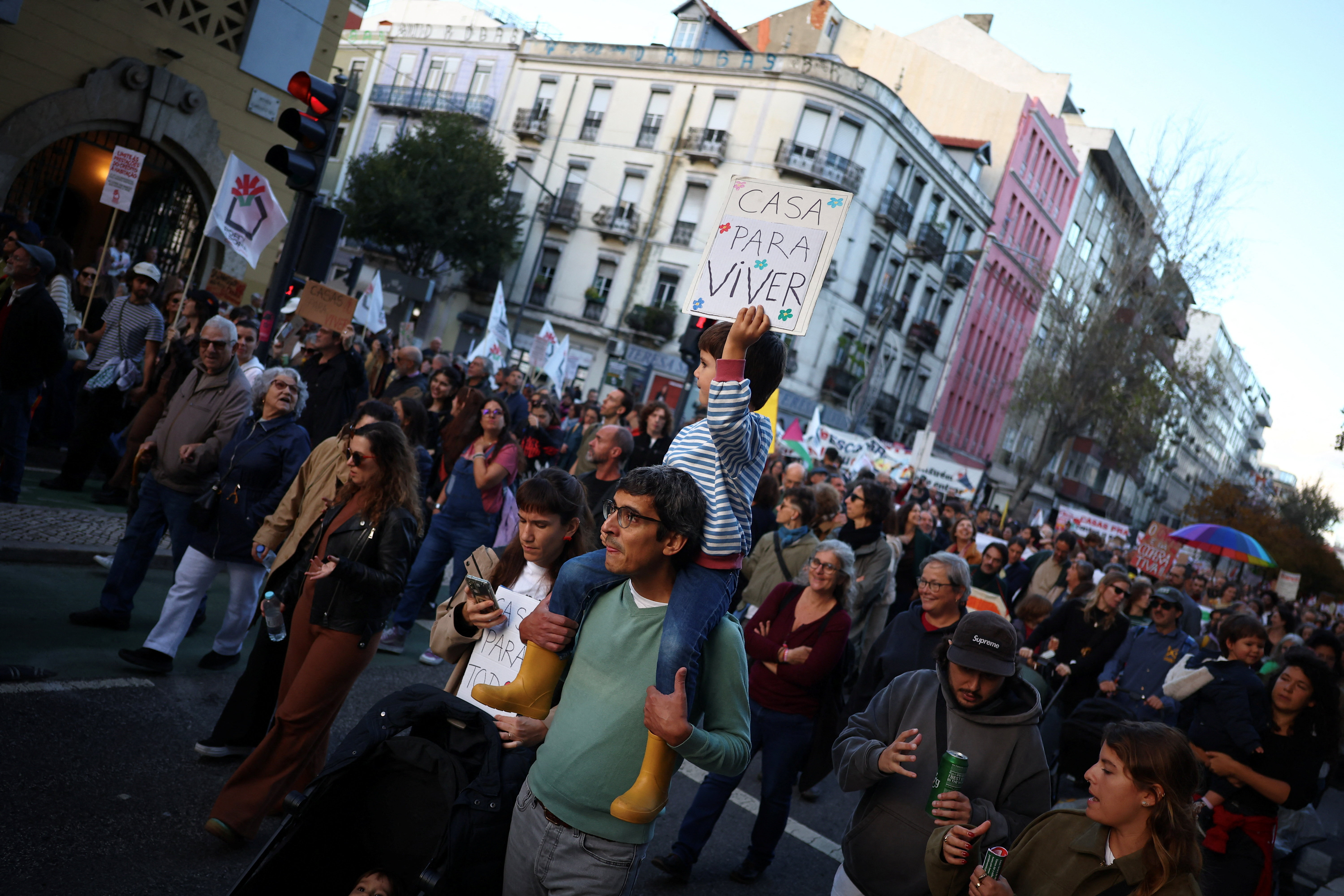
Tens of thousands march across Portugal over housing costs
Protesters in more than 30 cities demanded caps on rent rises and protection for tenants, citing the EU's steepest fall in housing affordability.

Italy fines Meta €805m over access to phone photos
The privacy regulator says the Facebook app did not clearly tell about 20 million Android users it would suggest pictures from their galleries as post ideas.
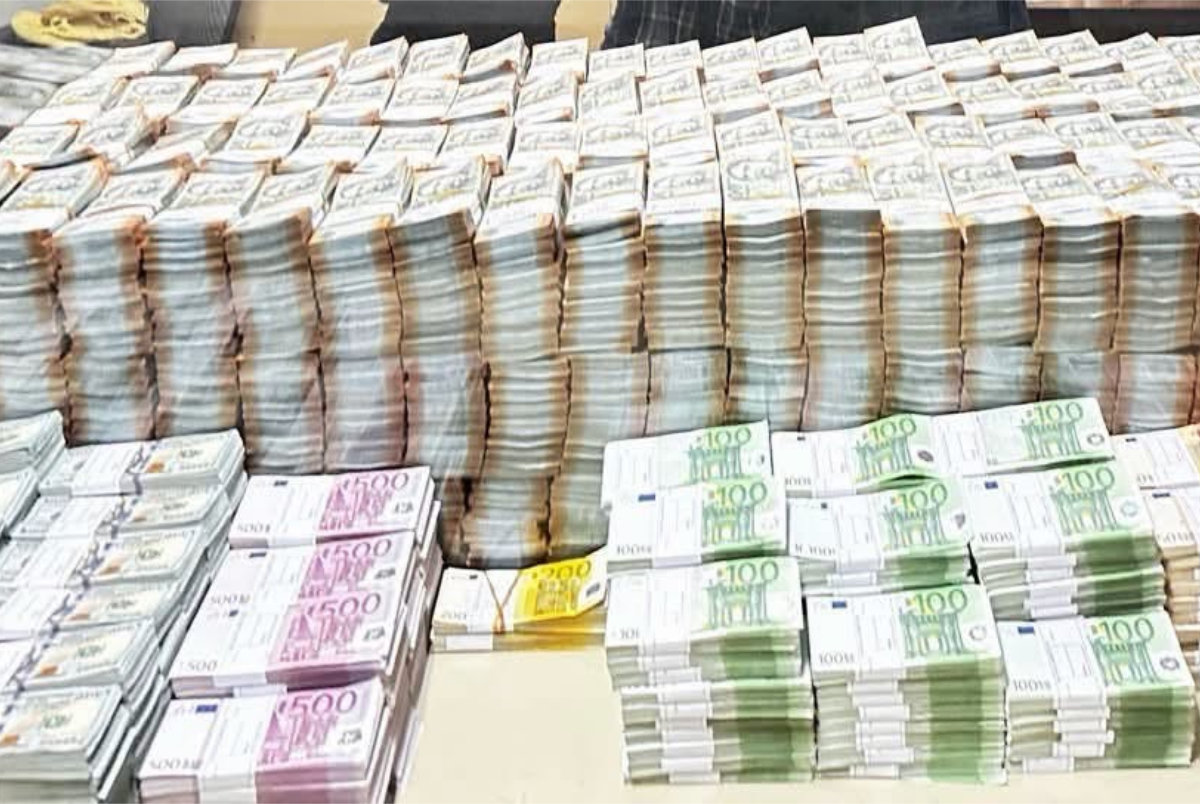
Hungary recovers $19.5m cash in Orbán-era minister probe
The National Asset Recovery and Protection Office says the money was hidden in forests, farm buildings and a safe during a bribery investigation into Miklós Seszták.
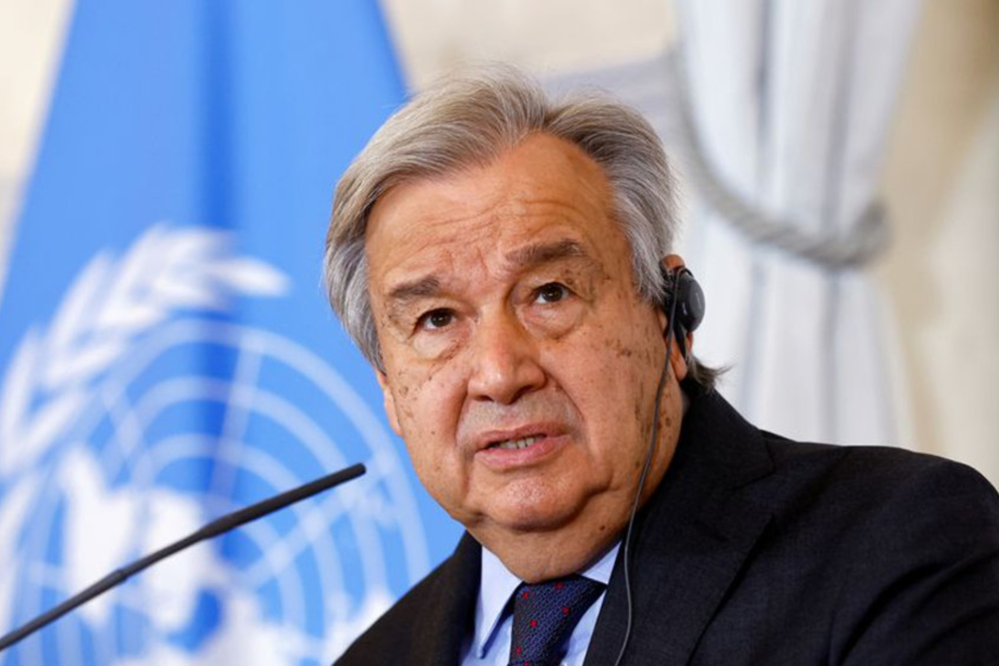
Guterres presses climate finance pact as COP31 opens in Antalya
The UN secretary-general said emissions hit a record in 2025 and set a $300bn annual finance target for 2035, while Nepal pressed for a Himalayan agenda.