



Isolated Awá group emerges in Brazil's Amazon territory
Survival International says the group asked Guajajara villagers for yams and carried them back into the forest, while Indigenous organisations warn of disease risk.
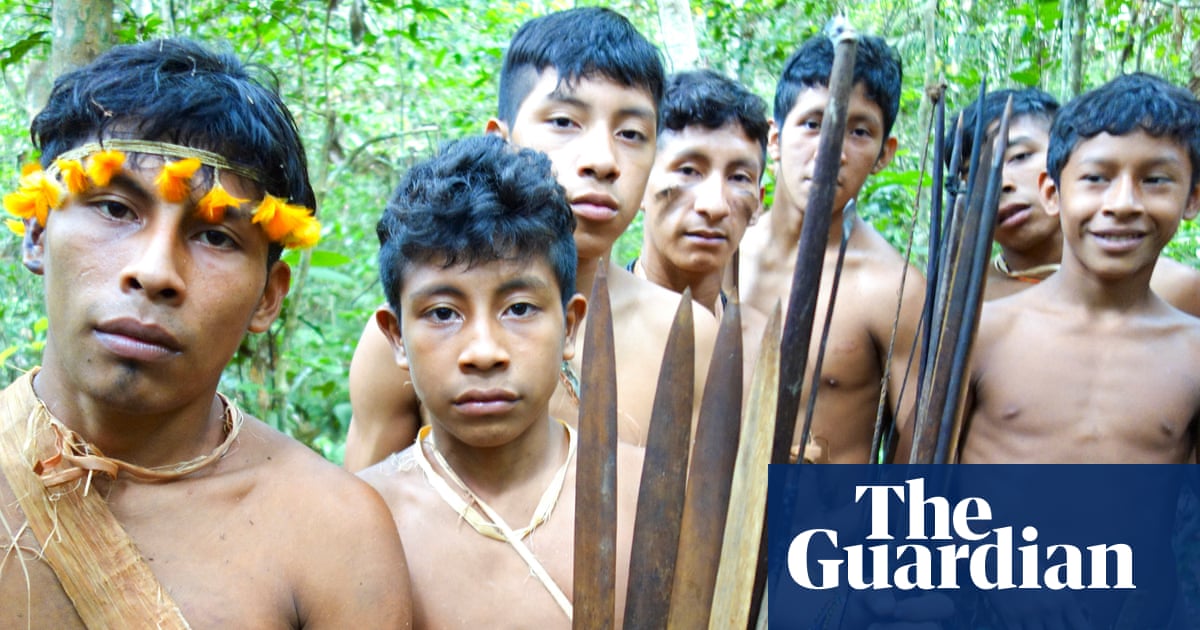
About 20 Awá people who live in voluntary isolation came out of the forest in Brazil's Amazon and met a government team at a village in the Arariboia Indigenous Territory on Monday, an encounter Survival International called "historic" and Indigenous organisations described as a sign of the pressure on the group's land.
The territory lies in north-eastern Maranhão state and belongs to the Guajajara ethnic group. The arrival was reported on Tuesday by Survival International, an NGO that works with uncontacted peoples, and by Indigenous organisations in the state.
Villagers offered the group food. "They asked for yams and took them back into their forest," Survival International said. The Awá usually live by hunting and gathering, and the NGO says illegal loggers, hunters and cattle ranchers have been moving into their land.
Video filmed by Guajajara villagers and released by Survival International shows men, women and children at the edge of the forest, partly hidden by vegetation. They appear naked and wear necklaces. The men carry bows and long arrows.
Coapima, an organisation representing Indigenous groups in Maranhão, said the condition of some members of the group, especially children and older people, worried the villagers, who saw "clear signs of severe emaciation". It warned that unplanned contact exposes isolated peoples to diseases against which they have little or no immunity.
Funai, the federal agency responsible for Indigenous affairs, told AFP that its technical teams were monitoring the situation and studying the available information about the group's health.
Caroline Pearce, Survival International's director, said the decision to leave isolation was a "troubling indication of how the continued invasion of uncontacted peoples' forests puts otherwise self-sufficient Indigenous people in real danger". She said the Awá were being confined to "an ever-smaller island of the Amazon rainforest, surrounded by destruction".
Survival International says about 196 uncontacted peoples and groups have been identified in 10 countries. More than 90 percent of them live in the Amazon, most in Brazil, with others in Indonesia and India.
The Forest Guardians, a Guajajara group that has opposed illegal encroachment for years, said climate change, fires, deforestation and land encroachment were affecting the Awá's way of life. Survival International says many of the guardians have been killed protecting the territory they share with the Awá.
How the reports differ
The Guardian carried the fullest account, naming Coapima and quoting its warning that some in the group showed "clear signs of severe emaciation" and that unplanned contact exposes isolated peoples to disease. The South China Morning Post described the group as appearing "thin and hungry" in its own report of the same encounter. Reuters, the Associated Press and Al Jazeera led instead on the rarity of the images, with the Associated Press headlining that the encounter raised concerns over the group's safety.
Watch
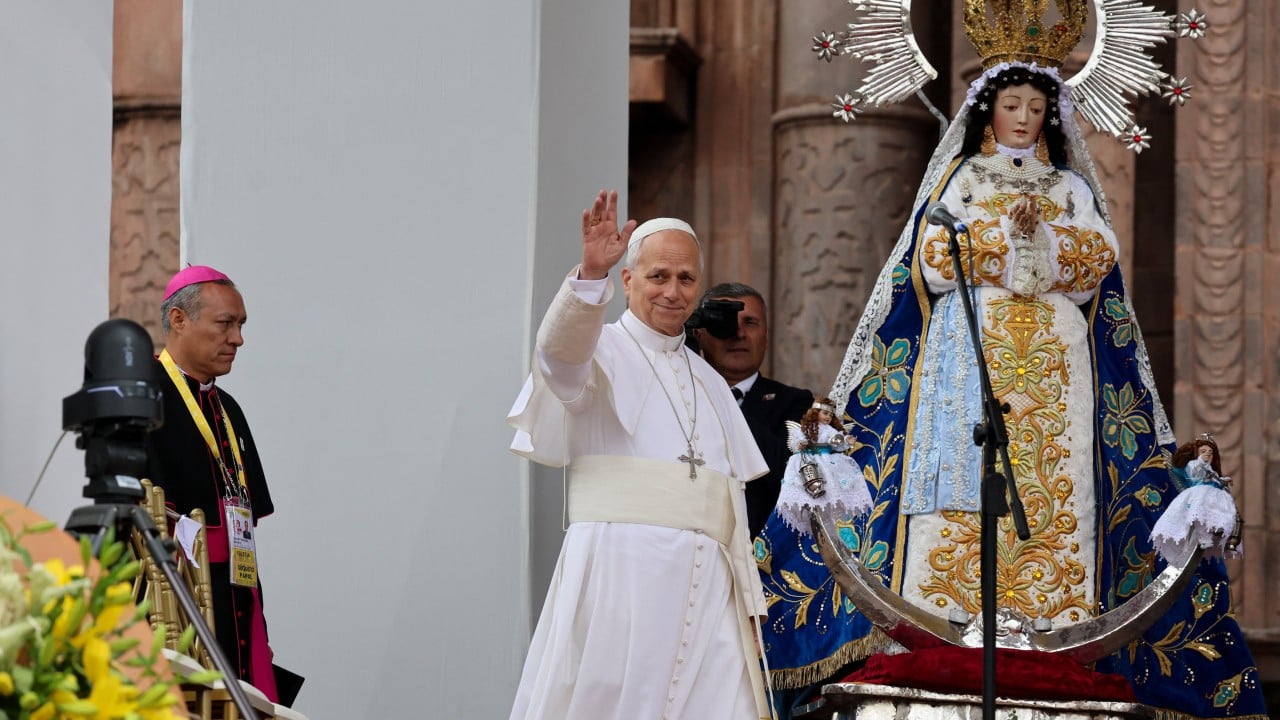
Pope Leo XIV reaches Cusco, testing recovery after lung surgery
The 71-year-old, who had part of a lung removed a month ago, spent the last full day of his South American tour at 3,400 metres before flying to the Amazon.
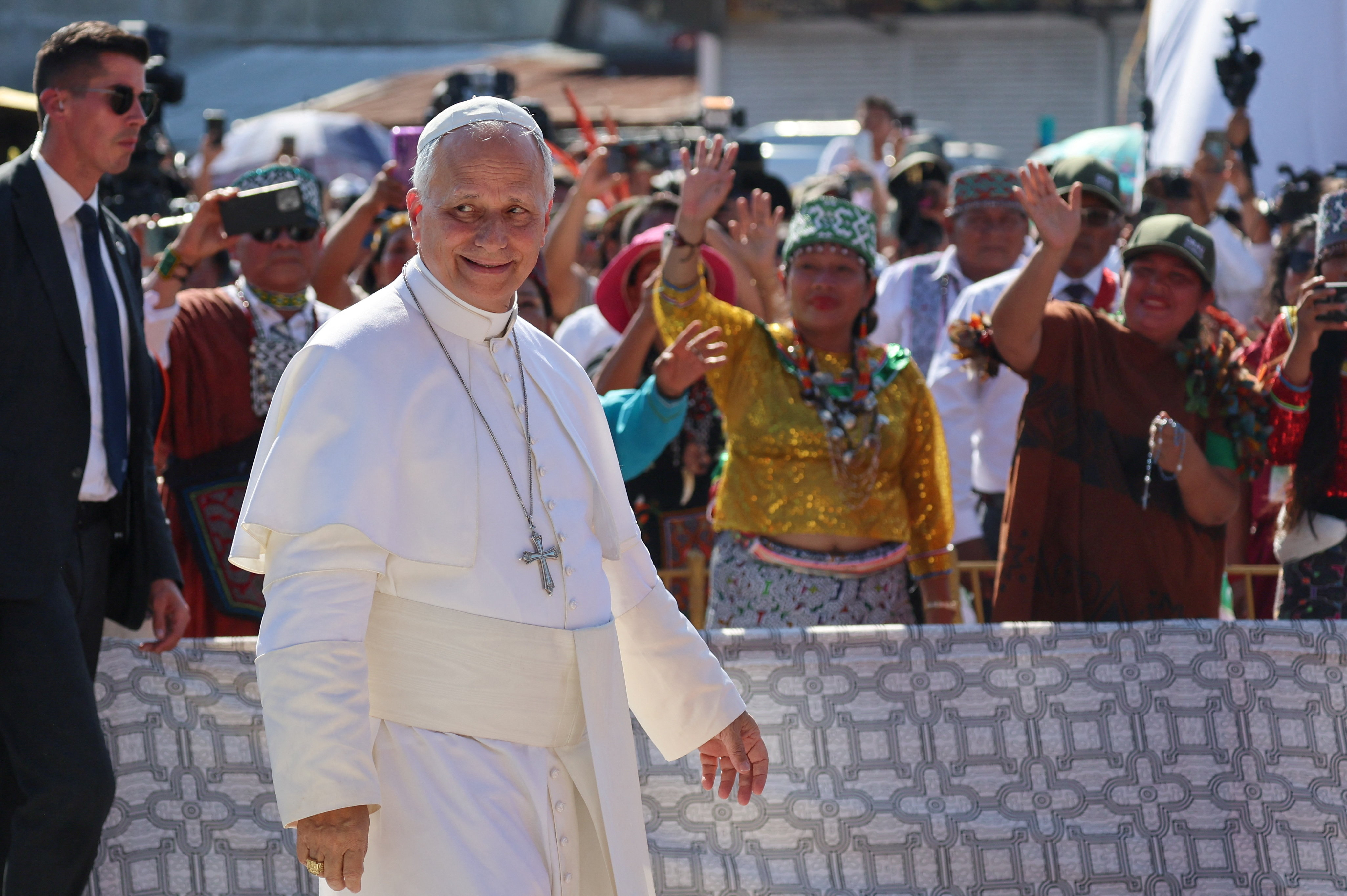
Pope Leo in Peru's Amazon demands justice for slain defenders
Speaking in the jungle city of Pucallpa, the pontiff said the blood of Indigenous leaders killed protecting their land cries out to God.
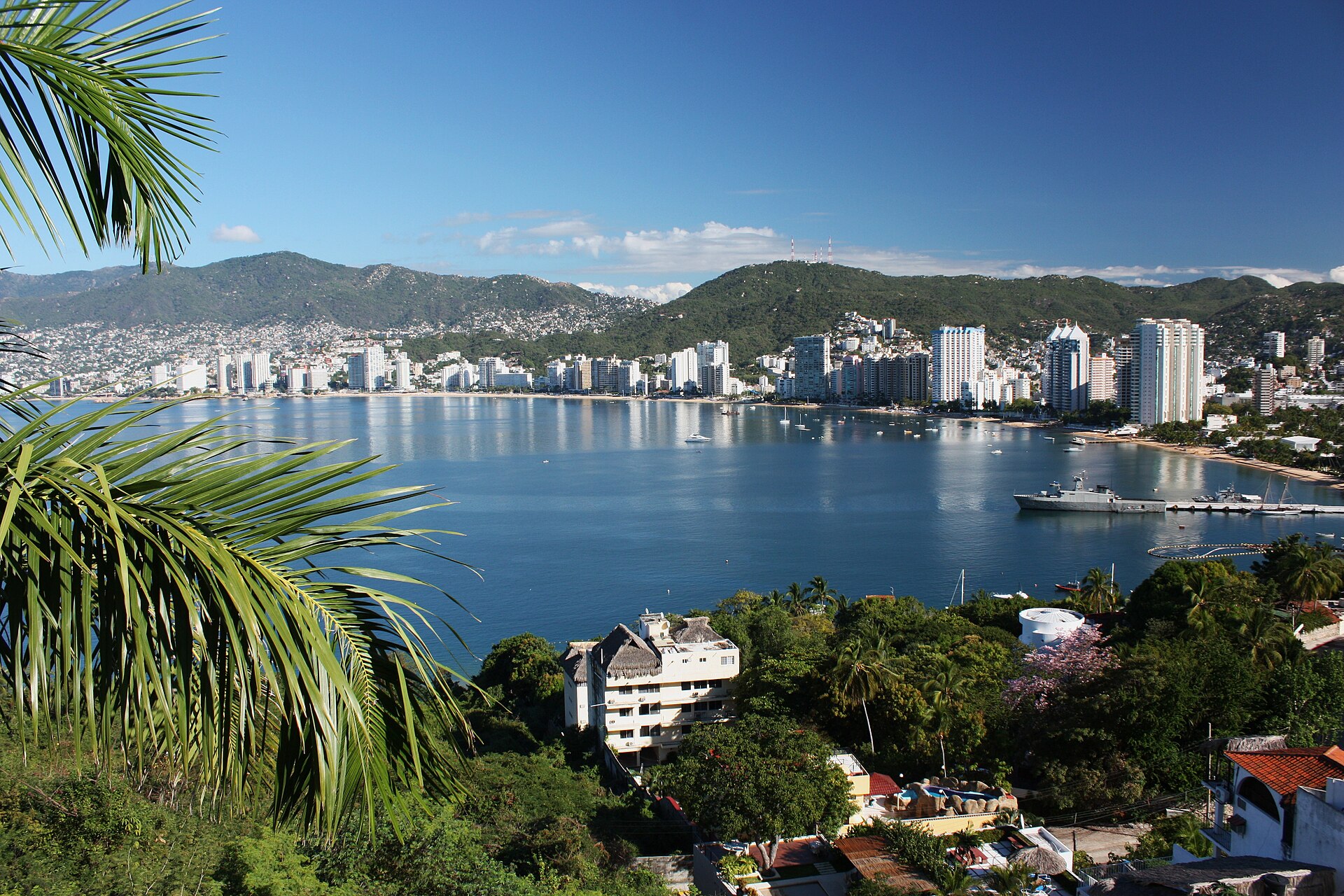
Mexican journalist Eduardo Flores found dead in Acapulco
Prosecutors opened a homicide investigation after the reporter, who covered security and missing people, was found with apparent neck injuries.

Guadalajara cartel founder Felix Gallardo dies in Mexico at 80
He was convicted over the 1985 killing of US drug agent Enrique Camarena and had been held in a maximum-security prison in Jalisco since 1989.
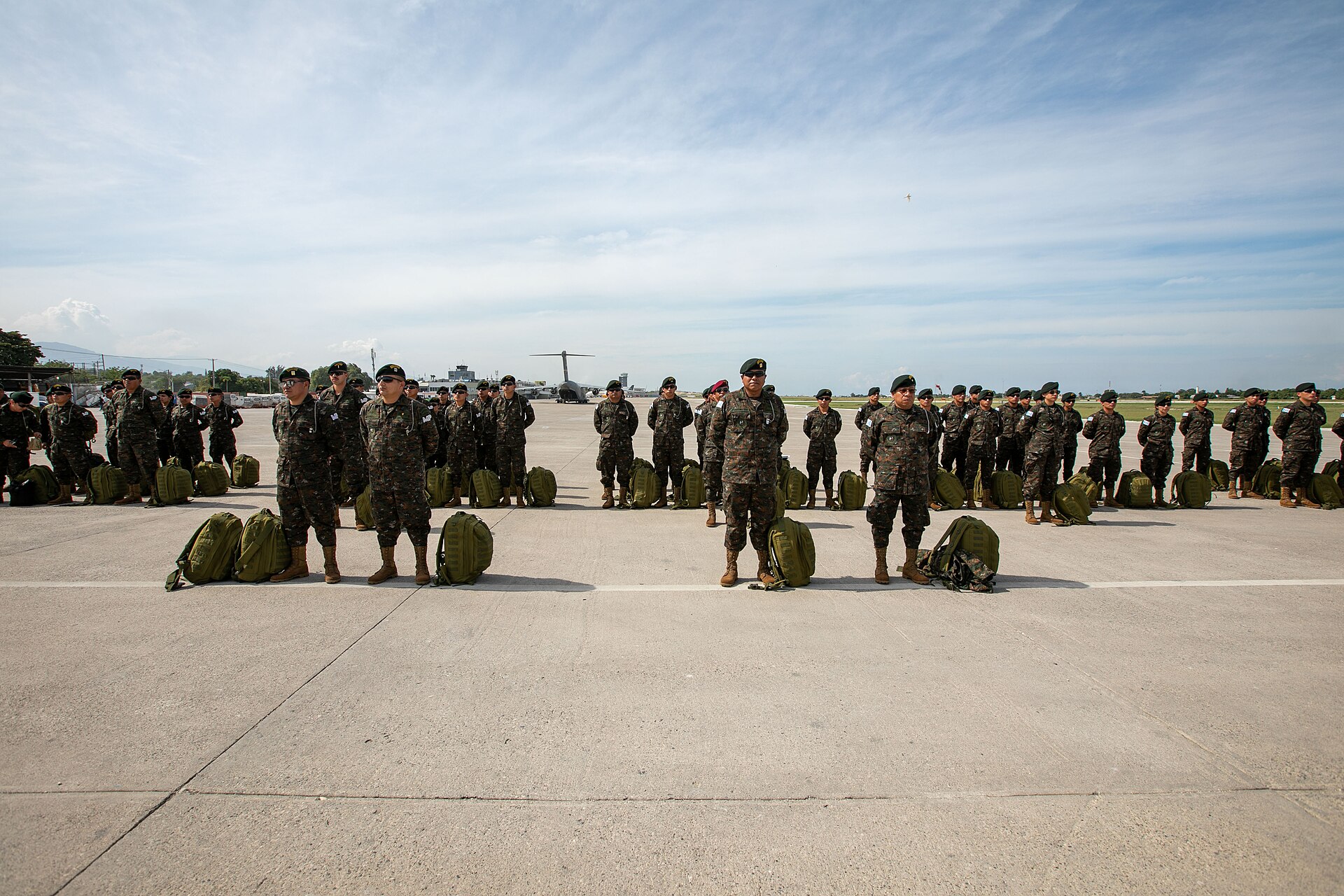
Haiti police retake Port-au-Prince stadium from gangs
Salvadoran soldiers now guard Sylvio Cator Stadium after two years of gang control, and President Nayib Bukele says his troops will set up a base there.

Pope Leo vows illness will not stop him as crowds fill Argentina
Less than a month after lung cancer surgery, the 71-year-old drew 650,000 to a Mass in Córdoba and 1.3 million to a Buenos Aires youth vigil.

Pope Leo celebrates mass in Chiclayo, the city he served
The Vatican estimated more than 1.5 million people gathered in Pimentel, where Leo, who holds Peruvian citizenship, was bishop from 2015 to 2023.

Argentina asks UN tribunal to halt Falklands oil project
Buenos Aires seeks provisional measures against Rockhopper and Navitas while Britain says the Hamburg court has no jurisdiction.