ISSI issues brief on Hague Indus Waters ruling
The Institute of Strategic Studies Islamabad examines what the tribunal's decision means for Pakistan's water rights under the 1960 treaty.
The Institute of Strategic Studies Islamabad (ISSI) has published an issue brief titled "The Hague Ruling on the Indus Waters Treaty: What It Means for Pakistan." The brief examines a ruling by the Hague-based tribunal in a dispute under the 1960 Indus Waters Treaty, which governs water sharing between India and Pakistan.
The think tank's analysis looks at how the ruling affects Pakistan's water rights, its obligations under the treaty, and the options available to the government. The Indus Waters Treaty, brokered by the World Bank, allocates the waters of the Indus river system between the two countries. Pakistan has long raised concerns over Indian hydroelectric projects on the western rivers assigned to Pakistan under the treaty.
ISSI has not made the full text of the brief available through the syndicated feed, and no further details of the ruling or the brief's conclusions were immediately retrievable. The institute regularly publishes issue briefs on strategic and foreign policy questions facing Pakistan. This brief is expected to inform policy discussions on water security and Pakistan's approach to the treaty.
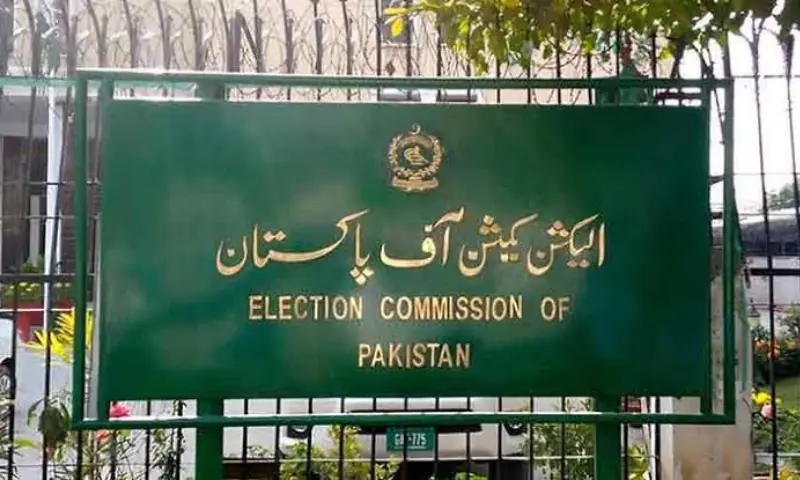
ECP sets ward delimitation for Quetta and Kharian cantonment boards
Quetta moves from Class-II to Class-I and Kharian from Class-III to Class-II, with 10 wards fixed in Quetta and five in Kharian under notifications issued on 29 October.

Information ministry blames Kabul inaction for strained Pakistan-Afghanistan ties
The ministry rejected a Taliban spokesperson's account of the dispute, saying cross-border militancy remains the biggest obstacle to normal relations between the neighbours.

Tarar proposes national council on cyber security and digital literacy
The information minister used the PTA's Cyber Security Awareness Week to float a coordinating body and to call for digital literacy in school curricula.

Health minister says barcode scan will flag fake medicines from November
Mustafa Kamal told the National Assembly that hospitals will also have to buy all vaccines from Pakistan's own funds by 2030, at a cost of about $1.2 billion.