


Italy's CGIL strike draws tens of thousands as protests sweep Europe
A 24-hour general strike shut schools and disrupted transport in more than 100 Italian cities, while youth-led rallies in Germany, Austria and Croatia targeted military spending.

Tens of thousands of workers and students demonstrated in more than 100 Italian cities on Friday as a 24-hour general strike called by the CGIL union fed protests in at least 25 European countries over wages, public services and the cost of living.
The strike by Italy's largest union involved private and public sector workers, including schools and health services, and disrupted public transport in several cities, Euronews reported. Maurizio Landini, the CGIL leader, told a rally in Rome: "Across Europe and among ordinary people, the demand for change is growing."
In Rome demonstrators threw objects at the Ministry of Education. In Bologna some protesters clashed with police, the ANSA news agency reported, according to Al Jazeera. In Milan demonstrators burned a cardboard tanker and cardboard figures of Israeli Prime Minister Benjamin Netanyahu and US President Donald Trump.
The Italian rallies followed a nationwide mobilisation on 17 October that turned into rioting and looting. Prime Minister Giorgia Meloni's government responded with sweeping security measures and deployed the army alongside police at later demonstrations, Al Jazeera reported. Elly Schlein, leader of the centre-left Democratic Party, joined Friday's demonstrations and said the 2027 budget law "does not have a vision for the future of the country", criticising cuts to public healthcare and education.
In Germany the campaign group Gen Z regelt said it was organising protests in 73 cities and towns. About 4,000 people gathered at Alexanderplatz in Berlin, and police said the Cologne demonstration drew thousands, fewer than the 5,000 expected. Protesters called for more education funding and opposed a possible return to compulsory military service.
Several hundred people gathered outside the University of Vienna for a youth-led protest calling for more education spending and less on weapons. Police dispersed the event after reported disturbances, using pepper spray and making several arrests. In Croatia students boycotted classes and staged protests in about a dozen cities, demanding investment in education, housing and public services instead of military spending.
France is preparing for a sixth consecutive Saturday of protests on 21 November, France 24 reported, with demonstrators rallying over the cost of living and the government's handling of weeks of unrest ahead of next year's presidential election. On Tuesday the Interior Ministry said 146,000 people had taken part in protests nationwide, including 28,000 in Paris. The CGT union put the national total at just over 500,000.
RFI reported that hundreds of thousands more were expected over the weekend in France, Belgium, Italy, Spain and the United Kingdom.
Prices for food, energy, transport and household bills rose by between 59 and 78 percent in France, Italy, Spain and Portugal since 2000, according to Eurostat, the European Union's statistics agency. Adjusted for inflation, Italy's average full-time wage fell by almost 5 percent between 2000 and 2025, OECD data show, while real wages rose 7 percent in Spain, 11 percent in France and 20 percent in Portugal.
How the reports differ
Al Jazeera led on Italy and named Sweden among the countries where people marched, a country none of the other reports listed. RFI put Belgium on its list and framed the story around a weekend of action, saying hundreds of thousands were expected in France, Belgium, Italy, Spain and the UK. Euronews alone reported the strike's practical effect, including disrupted public transport, cancelled Friday walkouts by air transport workers and airport strikes still scheduled for Sunday in Milan and Venice. France 24 looked past Friday to France's sixth consecutive Saturday of protests and placed the unrest in the context of next year's presidential election, while the BBC's report carried only the headline fact that thousands marched in European cities.

Youth protests sweep France and Germany for third weekend
Police fired tear gas in Paris and rallies in Frankfurt turned violent as demonstrators demanded cheaper living, better education and climate action
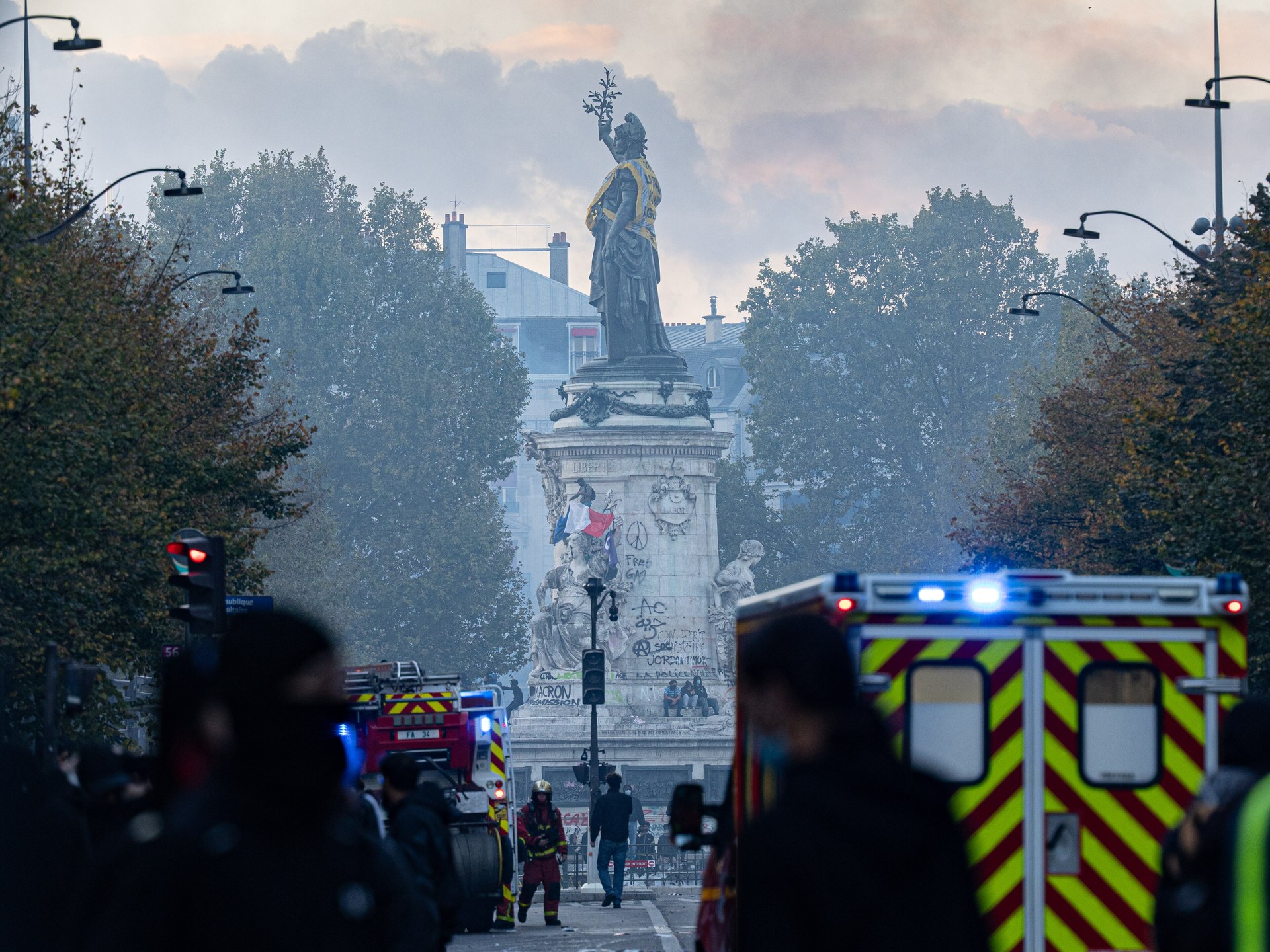
French public-sector unions strike over pay after talks fail
The CFDT's decision to join the 17 November walkout completes a united union front against Prime Minister Sébastien Lecornu's pay offer.
France marches for fifth Saturday over prices and police bill
The interior ministry expected 50 to 60 marches and deployed 70,000 officers, while organisers and the ministry gave rival national turnout counts.

France deploys 70,000 police ahead of cost-of-living protests
Unions and student groups march in Paris while the Yellow Vests press a banned rally at Place de la Concorde, six months before a presidential election.
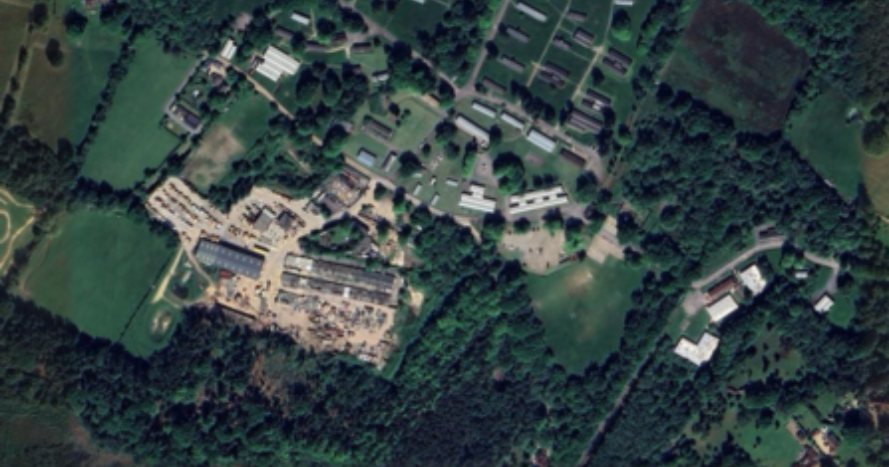
ITV undercover film finds failings at Crowborough asylum camp
The documentary says welfare checks were cut short at the former military base and that torture survivors may have been placed there unlawfully.

Marseille drug bosses sentenced to life for 2020 triple murder
Amine Oualane and Karim Harrat were convicted after a month-long trial in Aix-en-Provence; both deny the killings and their lawyers say they will appeal.
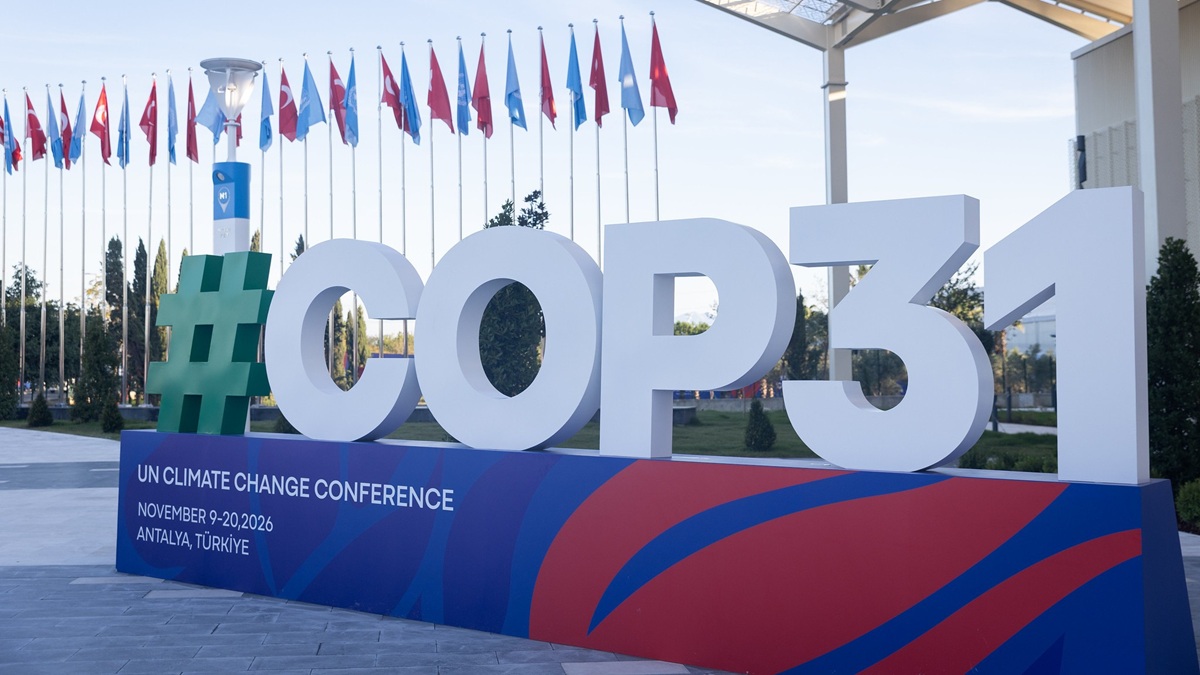
African bloc rejects reopening Paris Agreement at COP31 in Antalya
The African Group of Negotiators, speaking for 54 countries, says existing obligations must stand as ministers remain split on finance and the pace of the fossil fuel exit.
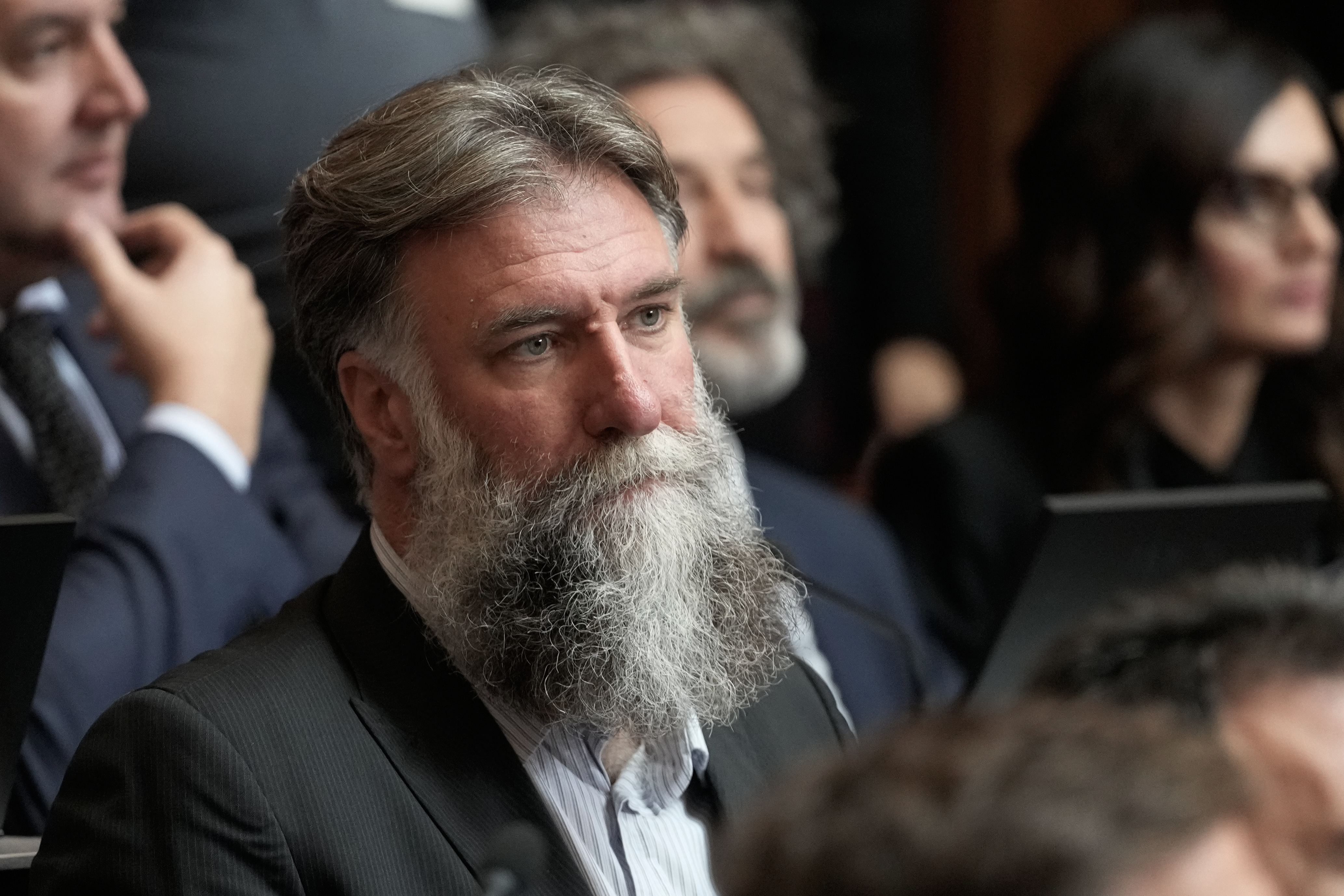
Serbia's student-backed MPs sworn in, ending 14 years of SNS rule
The Student List holds 140 of 250 seats after October's election and has 90 days to name a prime minister, with a presidential vote due by December 27.