JI chief warns long march may resume over petroleum levy
Addressing a Lahore rally, the JI leader also accused the PPP and PML-N of losing public relevance and relying on Form 47 rather than public support.

Jamaat-e-Islami chief Hafiz Naeemur Rehman has warned that his party will resume its suspended long march if talks with the government fail to provide relief, particularly on the petroleum levy. The warning follows the party's decision to pause its march to Islamabad after Prime Minister Shehbaz Sharif asked for more time, Daily Times reported.
Speaking at a public gathering on Wahdat Road in Lahore, Rehman said the protest movement had been temporarily suspended but not abandoned, according to Minute Mirror. He alleged that the government had tried to obstruct the rally by restricting access and creating difficulties in making arrangements, but party workers overcame those obstacles and held the event.
The Jamaat-e-Islami leader criticised the Pakistan Peoples Party and the Pakistan Muslim League-Nawaz, saying both established parties were losing public relevance and relying on what he described as Form 47 rather than genuine public support. He predicted that such political parties would eventually face a backlash from voters. The claims are his political assertions and were not independently established.
Rehman said his party had so far presented only part of its broader political agenda. He highlighted the issue of ending what he called the levy and extortion system and said further elements of the party programme would be presented in due course.
He argued that anyone seeking to remain active in Pakistani politics would increasingly need to focus on serving ordinary citizens. Politicians who fail to stand with the public, he said, could lose their political relevance.
The JI chief also criticised the ruling elite over government spending and official foreign travel. He claimed that overseas visits by government officials impose a significant financial burden on taxpayers. He further accused powerful interest groups involved in land, fuel and other sectors of exploiting ordinary citizens and said those groups should no longer be allowed to dominate public life.
His remarks came amid continuing political competition among Pakistan's major parties and growing debate over governance, inflation, public services and the cost of government.
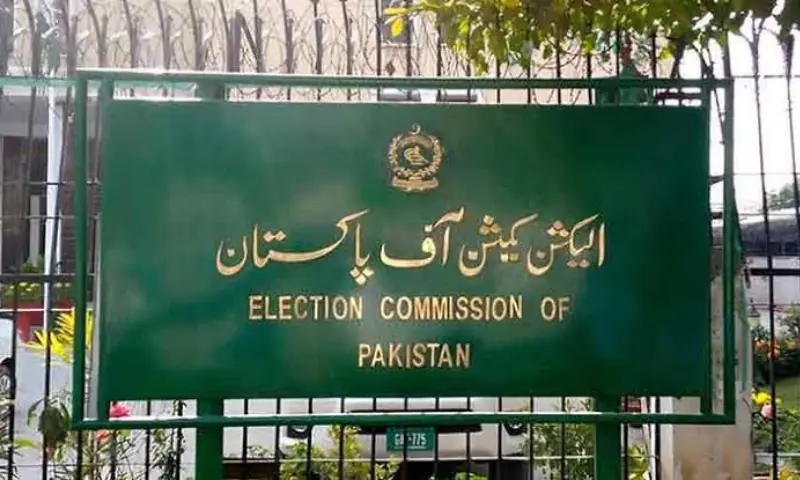
ECP sets ward delimitation for Quetta and Kharian cantonment boards
Quetta moves from Class-II to Class-I and Kharian from Class-III to Class-II, with 10 wards fixed in Quetta and five in Kharian under notifications issued on 29 October.

Information ministry blames Kabul inaction for strained Pakistan-Afghanistan ties
The ministry rejected a Taliban spokesperson's account of the dispute, saying cross-border militancy remains the biggest obstacle to normal relations between the neighbours.

Tarar proposes national council on cyber security and digital literacy
The information minister used the PTA's Cyber Security Awareness Week to float a coordinating body and to call for digital literacy in school curricula.

Health minister says barcode scan will flag fake medicines from November
Mustafa Kamal told the National Assembly that hospitals will also have to buy all vaccines from Pakistan's own funds by 2030, at a cost of about $1.2 billion.