Karachi hospitals report sharp rise in flu cases as H1N1 circulates
Doctors at Aga Khan University Hospital, Civil Hospital and JPMC say daily patient loads have doubled, with about 400 influenza cases recorded at AKUH this year.
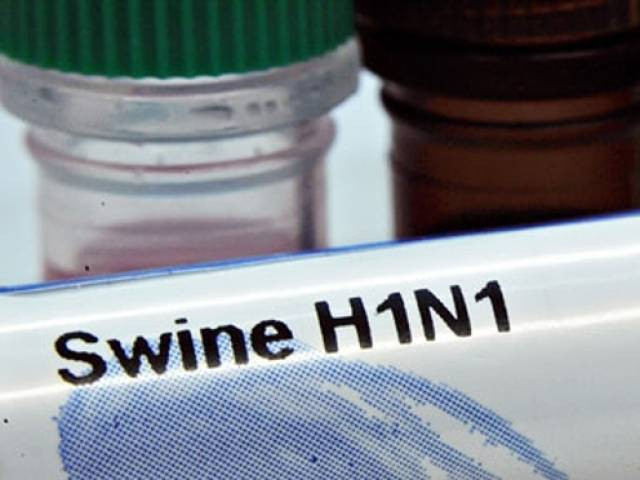
Karachi's largest hospitals are seeing a sharp rise in patients with flu-like illness as the seasonal shift towards winter pushes night-time temperatures down, with doctors confirming that the H1N1 strain of influenza is circulating in the city.
Aga Khan University Hospital (AKUH) has recorded around 400 influenza cases this year, The Express Tribune reported, quoting Professor Dr Faisal Mahmood, head of the hospital's infectious diseases section, as saying the H1N1 strain, the variant also known as swine flu, was present in Karachi. He said influenza viruses change over time and warned the count could climb further before the year ends.
Dr Mahmood said not every patient with suspected influenza is tested, with testing largely limited to those who are seriously ill. He said the infection can cause pneumonia and other serious complications in vulnerable people, and urged older people, children and those with weakened immune systems to be vaccinated.
At Civil Hospital Karachi, emergency department head Dr Imran Sarwar Sheikh told The Express Tribune that the number of patients arriving with flu symptoms had doubled in the past few days, with 70 to 80 people being seen each day. Around 10 of them were suspected influenza cases referred to Dow Hospital for testing and further assessment, he said.
Dawn carried a similar account from Jinnah Postgraduate Medical Centre, where Dr Irfan Siddiqui, deputy in-charge of the emergency department, said flu patients had risen from 30 to 40 a day to 70 to 80 over the past week. Dawn quoted him linking the increase to the gradual change in weather, particularly colder nights, and reported that JPMC and Civil Hospital had treated more cases in the past 10 days than in the first half of the month.
Dr Siddiqui described the usual symptoms as high fever, a runny nose and a cough, and said that in people with weak immune systems the infection can reach the respiratory system and lead to pneumonia or fluid in the lungs. He advised masks, physical distancing and other precautions for people who are vulnerable or caring for the sick, and said a vaccine against influenza is available.
Doctors recommended a balanced diet including soups, broths and water-rich fruit to maintain hydration and support recovery in infected patients.
The rise has revived questions about the quality and supply of influenza vaccines in Pakistan. Experts said immunisation reduces both the spread and the severity of seasonal influenza, but advised people to obtain vaccines only from authorised and reliable sources. With the flu season building and international travel increasing, doctors said vaccination and basic precautions remain the main defence, particularly for children, the elderly and other high-risk groups.

Sindh High Court gives lawyers seven days to remove official symbols from cars
Vehicles still carrying green plates, blue lights, flashers or fake government number plates will be refused entry to the high court, the City Court and district courts.

Court grants bail to Iqrarul Hassan in cybercrime case
A Karachi court ordered his release on Rs200,000 surety bonds, three weeks after the NCCIA arrested him over posts on X, Instagram and Facebook.

World Bank approves $150m for Sindh property tax and municipal services
The Sindh Property Revenues Enhancement Program will back urban immovable property tax collection and the service delivery capacity of selected local councils, Karachi foremost.

Sindh forms committee to review local bodies and audit budgets
The panel, chaired by local government minister Nasir Hussain Shah, will examine illegal recruitment and budget irregularities from union councils up to district councils.