Minister seeks BISP devolution to provinces, action on corruption claims
Kheal Das Kohistani says provincial governments could run the Rs800 billion programme better, after the National Assembly was told 2.25 million beneficiaries were removed.
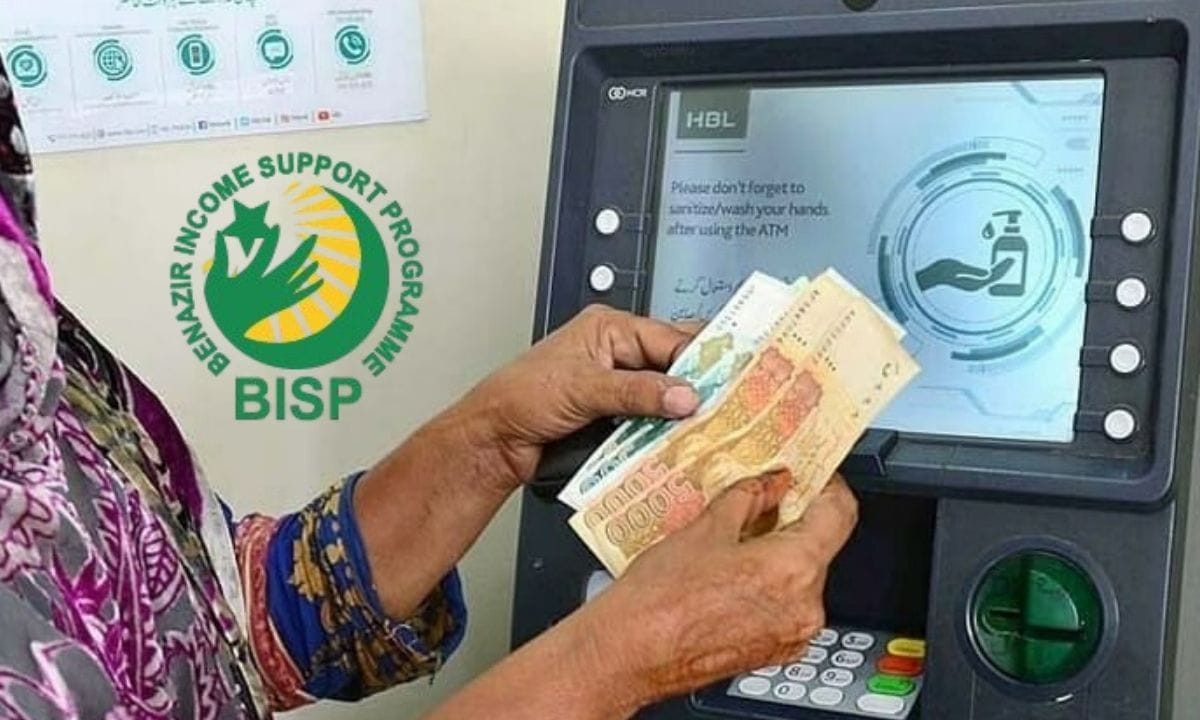
A minister of state has demanded that the Benazir Income Support Programme be transferred to the provincial governments and that action be taken against what he called a corruption mafia inside the programme, after the National Assembly was told that more than 2.25 million beneficiaries had been struck off its records.
Kheal Das Kohistani, Minister of State for Religious Affairs and Interfaith Harmony, told reporters that BISP, which he said is worth more than Rs800 billion, would be better managed by the provinces, and that they should also bear its financial burden. He held the programme and its officials responsible for the alleged corruption, and urged the relevant institutions to act against those responsible and to recover money paid to fake and ineligible beneficiaries.
The figures he was responding to were placed before the House during question hour on Friday by the Ministry of Poverty Alleviation and Social Safety Division. According to both TechJuice and ARY News, the ministry said 2,259,404 beneficiaries were removed from BISP between 1 July 2025 and 30 June 2026, and that payments to more than 800,000 other beneficiaries were suspended.
The same replies stated that an audit report had identified 140,488 government employees and their family members as BISP beneficiaries during 2019-20. More than Rs712 million has been recovered from fake and ineligible beneficiaries, of which over Rs545 million came through the Federal Investigation Agency and more than Rs21 million from BISP employees themselves. The ministry also reported 55,579 complaints in the previous fiscal year about unauthorised deductions from beneficiaries' funds, embezzlement and misappropriation.
Kohistani said mechanisms to act against the misuse of public funds already exist, and that a large number of corruption complaints come from Sindh. He alleged that agents and government employees take money from beneficiaries at several stages, including when they go to withdraw their payments.
BISP is the federal government's principal cash transfer scheme for low-income households, and the demand to devolve it touches on a dispute over which tier of government should fund and run social protection. Neither account carried an immediate response from BISP or from the poverty alleviation ministry to the minister's allegations or to his call for the programme to be shifted to the provinces.
ECP sets ward delimitation for Quetta and Kharian cantonment boards
Quetta moves from Class-II to Class-I and Kharian from Class-III to Class-II, with 10 wards fixed in Quetta and five in Kharian under notifications issued on 29 October.

Information ministry blames Kabul inaction for strained Pakistan-Afghanistan ties
The ministry rejected a Taliban spokesperson's account of the dispute, saying cross-border militancy remains the biggest obstacle to normal relations between the neighbours.

Tarar proposes national council on cyber security and digital literacy
The information minister used the PTA's Cyber Security Awareness Week to float a coordinating body and to call for digital literacy in school curricula.

Health minister says barcode scan will flag fake medicines from November
Mustafa Kamal told the National Assembly that hospitals will also have to buy all vaccines from Pakistan's own funds by 2030, at a cost of about $1.2 billion.