



NATO's Rutte vows space defence after Russian nuclear satellite reports
German broadcasters NDR and WDR and newspaper Sueddeutsche Zeitung reported Moscow may launch a satellite carrying a nuclear warhead within weeks.
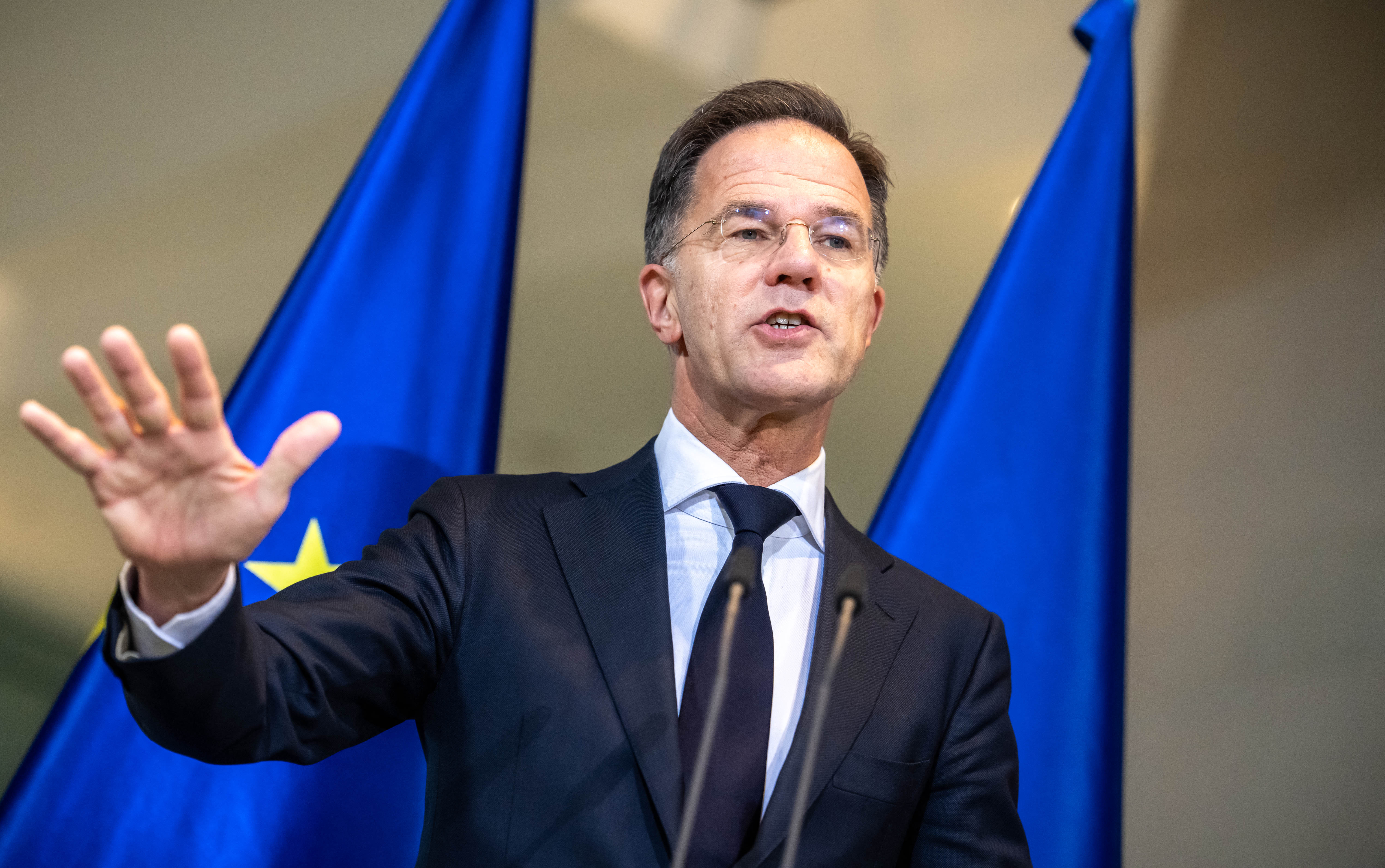
NATO Secretary General Mark Rutte said the alliance would defend against threats in space, answering in Berlin on Monday questions about German media reports that Russia is preparing to launch a nuclear-armed satellite.
The reports, by broadcasters NDR and WDR and the newspaper Sueddeutsche Zeitung, cited anonymous German military and intelligence sources. They said the satellite, named "Sputnik-S", would carry a nuclear warhead and could be launched within weeks, giving Moscow the ability to disrupt or destroy other satellites, including the communication and observation craft that militaries depend on. The BBC reported that intelligence about a possible launch in the next 60 days had been shared among NATO countries this month, and that it was not clear which country had written it.
Asked about the reports, Rutte said: "We will always make sure we defend every inch of Nato territory, and that includes making sure we are safe when it comes to the space element." He said the alliance would keep assessing its deterrence and defence and "make updates where necessary".
German Chancellor Friedrich Merz, standing beside Rutte, neither confirmed nor denied the reports. He said they "reveal the level of escalation Russia is evidently prepared to pursue", adding: "Reports that Russia is planning to introduce nuclear weaponry into space are not new, yet they remain no less shocking."
The Kremlin rejected the allegations. Spokesman Dmitry Peskov said he had not seen the latest reports but dismissed those citing "unknown sources" as "hardly worth taking seriously". The Russian embassy in Berlin told German media it rejected "unfounded allegations" and described the reports as part of a "propaganda campaign".
A German government spokesman earlier declined to confirm or deny the reports, saying Berlin was taking them "very seriously", according to AFP, while warning against "excessive nervousness regarding hypothetical dangers".
Josef Aschbacher, director general of the European Space Agency, called nuclear weapons in space "the ultimate nightmare scenario", the Handelsblatt newspaper reported.
Russia is a party to the 1967 Outer Space Treaty, which bars weapons of mass destruction from orbit. In 2024 the United States said Russia was developing a space-based anti-satellite weapon with a nuclear warhead. President Vladimir Putin denied it, saying: "We have always been categorically against the deployment of nuclear weapons in space and we are still against it." In September, US Air Force Secretary Troy Meink said Washington had "on-orbit, space-control weapons" without giving details, and Peskov responded that space "must be free of any weapon".
How the reports differ
BBC News named the satellite "Sputnik-S" and put the reported launch window at 60 days, and said it was unclear which country had produced the intelligence; South China Morning Post and France 24 attributed the reports to unnamed German military and BND spy agency sources and said a launch was thought to be planned "in the coming weeks". The Japan Times framed the story as allied governments saying Russia may launch a nuclear space weapon next month and led on the warning that such a weapon could rapidly degrade or destroy thousands of satellites. Reuters' headline went further than the others, saying NATO "believes Russia is ready to launch" the satellite. The BBC report carried the Kremlin and Russian embassy denials and Merz's remarks alongside Rutte's; the summaries from South China Morning Post, France 24 and Japan Times led on Rutte's pledge alone.

Russian strikes hit Kyiv embassies as Poland reports airspace breach
France seeks an emergency UN Security Council meeting after Austrian and Dutch embassy buildings were damaged, while Warsaw calls the incursion a deliberate provocation.

Ukraine's allies meet in Berlin after Trump-Putin-Xi talks in China
US envoys Steve Witkoff and Jared Kushner join the leaders of Germany, France, Britain, Poland and Italy and NATO chief Mark Rutte at the 'Coalition of the Willing' gathering.
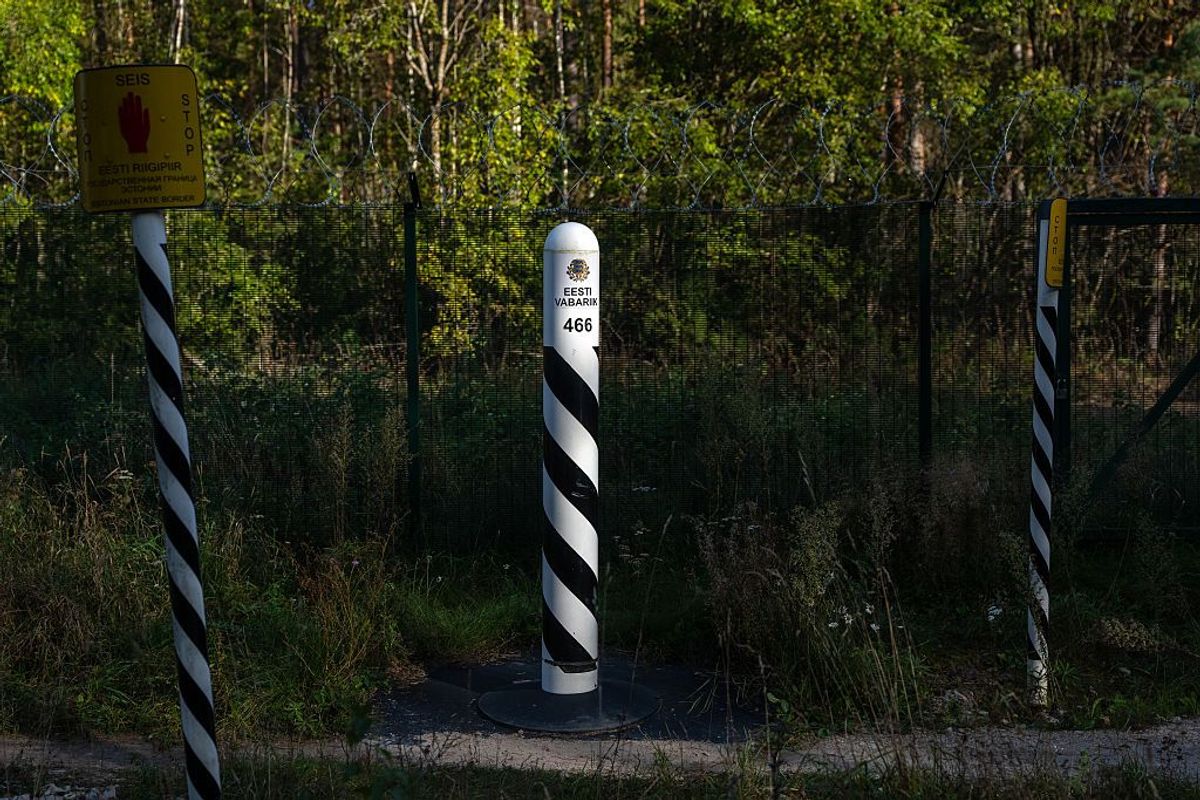
Estonia to close Russian border crossings after drone factory attack
Eight people were detained over the attempted arson at Threod Systems near Tallinn, which the security service says Russia's GRU ordered.

EU leaders name five states to represent Europe in Ukraine talks
Latvia's Andris Kulbergs tells AFP Moscow is in no position to demand a new security framework, as EU leaders in Dublin settle who negotiates with Russia.

German and Danish schools get emailed bomb threats; suspect detained
Police in Germany said the emails carried no concrete danger, while prosecutors in Ukraine filed an indictment in a four-country investigation.
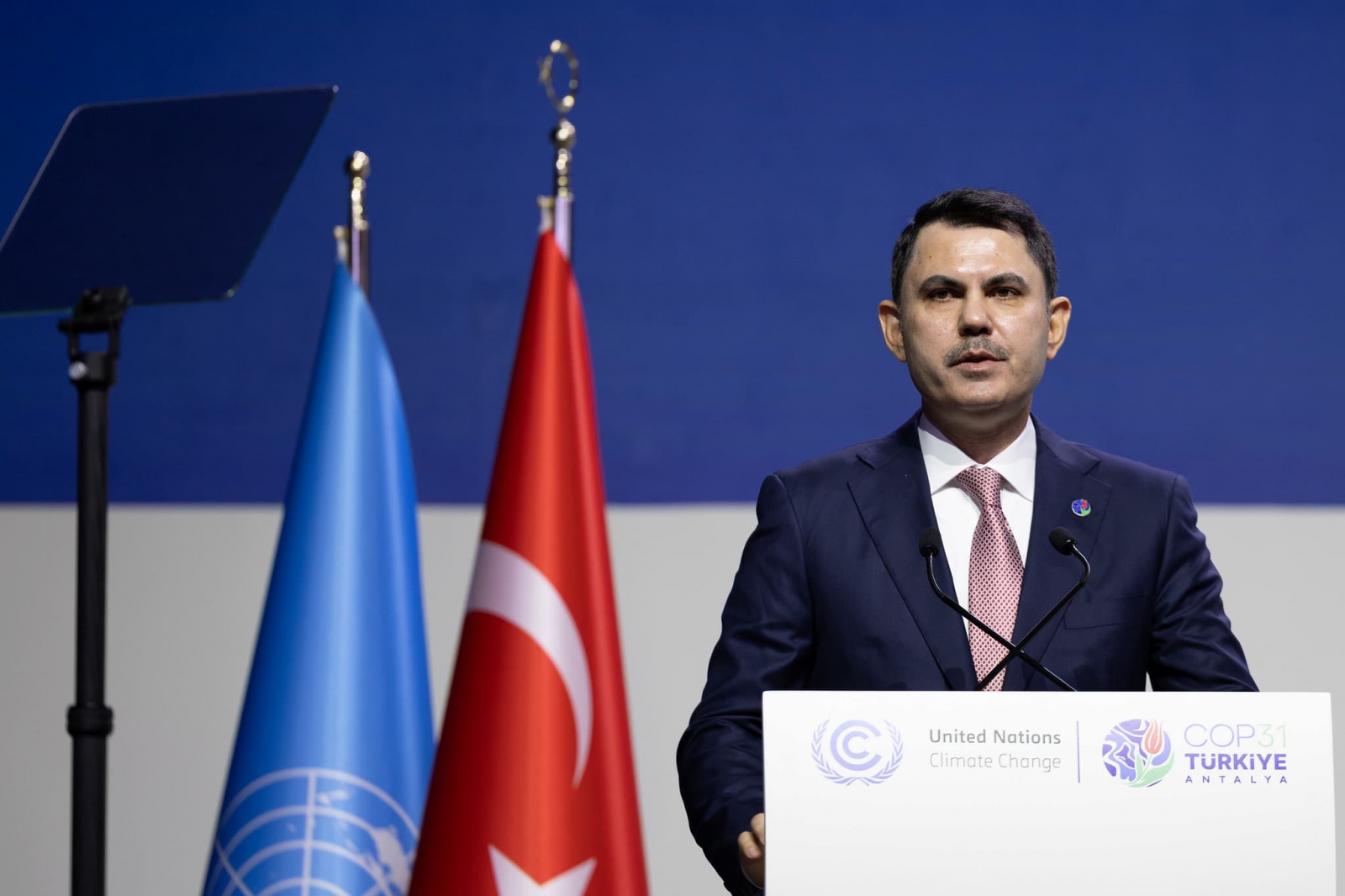
COP31 summit in Antalya ends without a deal on fossil fuels
Two days past its scheduled close, the conference ended with no cover decision, leaving the fossil fuel transition and climate finance for COP32 in Addis Ababa.
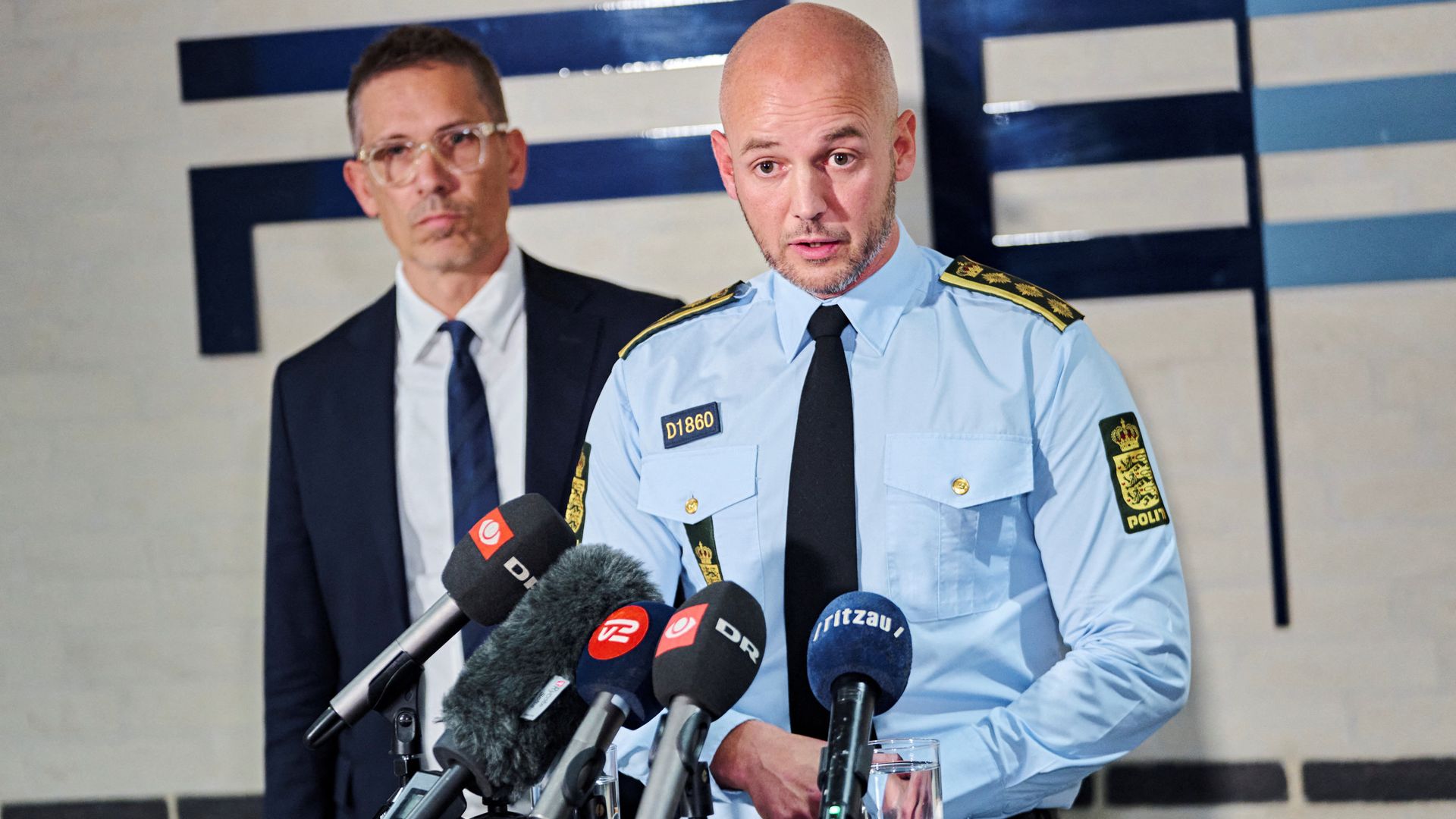
Denmark expels Russian defence attaché over alleged rapper assassination plot
PET says three people carrying firearms and knives were stopped near the venue before Kyivstoner's September show, and two now face charges.
Denmark expels Russian diplomat over foiled plot to kill rapper
Copenhagen says Russian intelligence tried to kill Kyivstoner before a September show and wants EU states to suspend tourist visas for Russian nationals.