NCSW welcomes Christian family law bill in Sindh
The Church of Pakistan, however, has rejected similar bills in Sindh and Khyber Pakhtunkhwa in their present form, Voicepk reported.
The National Commission on the Status of Women has welcomed a Christian family laws bill introduced in the Sindh Assembly, according to the Associated Press of Pakistan.
APP reported the commission's welcome on Tuesday, but the report available to the desk did not include the full text of the statement or the bill's provisions.
Separately, Voicepk.net reported that the Church of Pakistan has rejected Christian family laws bills in Sindh and Khyber Pakhtunkhwa in their present form. That outlet's headline indicated the church's position, but its full report was not retrievable at the time of filing.
The two positions highlight a dispute over proposed legislation affecting Christian family matters. APP's report mentioned only the Sindh bill, while Voicepk's headline referred to bills in both Sindh and Khyber Pakhtunkhwa.
No further details of the bills, their sponsors, or the stages of the legislation were available in the source material.
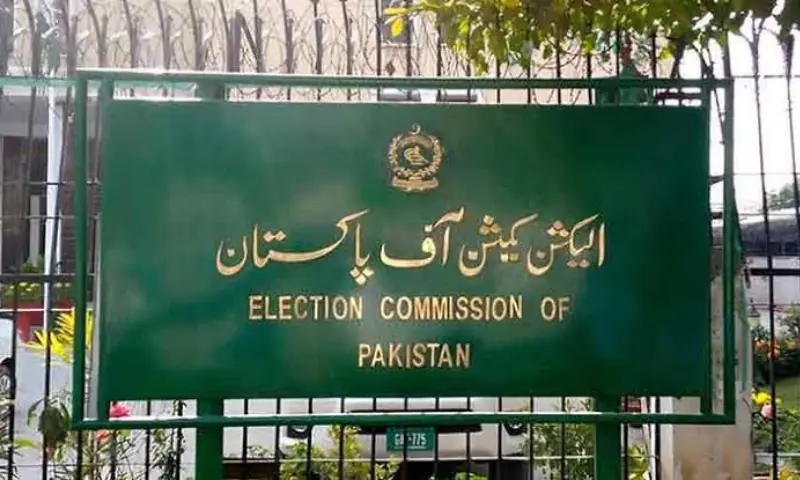
ECP sets ward delimitation for Quetta and Kharian cantonment boards
Quetta moves from Class-II to Class-I and Kharian from Class-III to Class-II, with 10 wards fixed in Quetta and five in Kharian under notifications issued on 29 October.

Information ministry blames Kabul inaction for strained Pakistan-Afghanistan ties
The ministry rejected a Taliban spokesperson's account of the dispute, saying cross-border militancy remains the biggest obstacle to normal relations between the neighbours.

Tarar proposes national council on cyber security and digital literacy
The information minister used the PTA's Cyber Security Awareness Week to float a coordinating body and to call for digital literacy in school curricula.

Health minister says barcode scan will flag fake medicines from November
Mustafa Kamal told the National Assembly that hospitals will also have to buy all vaccines from Pakistan's own funds by 2030, at a cost of about $1.2 billion.