



New auto policy sets $6bn export target, binding localisation rules
The adviser to the prime minister on industries says assemblers that fall short of minimum domestic value addition will pay three extra percentage points of duty on CKD imports.

The Autos and Auto Parts Manufacturing Policy 2026-2031 sets a cumulative export target of about $6 billion over five years and makes duty benefits conditional on domestic value addition, Adviser to the Prime Minister on Industries and Production Haroon Akhtar Khan said on Wednesday.
Khan said the policy moves the sector away from import-dependent assembly towards export-oriented manufacturing. Business Recorder reported that Prime Minister Shehbaz Sharif approved the final draft last week, clearing the way for it to go to the federal cabinet for formal approval.
Under the localisation rules, an assembler that misses the minimum domestic value addition requirement will pay an additional three percentage points of customs duty on its non-localised completely knocked down (CKD) imports in the following financial year, subject to the prescribed legal process. Khan said the binding targets are meant to make the growth of the car market show up as domestic industrial activity, investment and employment.
Of the $6 billion export target, about $3.29 billion, or 55 per cent, is expected from auto parts manufacturers and about $2.72 billion, or 45 per cent, from vehicle makers. Exporters will get 5 per cent support on net free on board export value under the Drawback of Local Taxes and Levies scheme, plus a further 10 per cent on qualifying incremental exports. Manufacturers will also be required to find export work inside the global supply chains of their international principals.
Khan said Pakistan has about 2,200 auto parts manufacturers. A Vendor Upgradation and Technology Transfer Programme, with Rs2.1 billion allocated, will run through the Engineering Development Board and the Small and Medium Enterprises Development Authority to fund technology upgrades, shared manufacturing facilities, skills training, international quality certification and export readiness. The policy also targets investment in at least five anchor auto parts firms over the period.
The 5 per cent concessional customs duty on imported battery electric vehicles priced up to $15,000 in the first two years is conditional on setting up domestic assembly or manufacturing. Applicants must file a surety bond and an irrevocable bank guarantee for the duty differential and begin commercial production of the imported variant by September 30, 2028. Customs duties will be rationalised progressively over five years.
Khan said the policy is projected to save about $17.7 billion in foreign exchange over 2026-2031 compared with importing the same vehicles fully built, and to avoid about 1.823 million tonnes of oil imports. Contract manufacturing is meant to use industrial capacity that currently sits 41 to 80 per cent idle, he said.
ProPakistani reported that carmakers did not yet have an official copy of the policy days after the government announced it.
How the reports differ
Business Recorder and APP carried the same ministry briefing, and both reported the $6 billion export target, the three percentage point duty penalty for missing localisation targets and the Rs2.1 billion vendor programme. APP attributed its account to a ministry news release, while Business Recorder alone reported that Prime Minister Shehbaz Sharif approved the final draft last week and that the policy now goes to the federal cabinet. ProPakistani led on a different point, reporting that carmakers still did not have an official copy of the policy days after the government announced it.

Federal government announces auto policy, sets $6bn export target
Adviser Haroon Akhtar says prices will fall for all but luxury cars, the EV financing limit rises to Rs1 crore and 45 new safety standards are added.
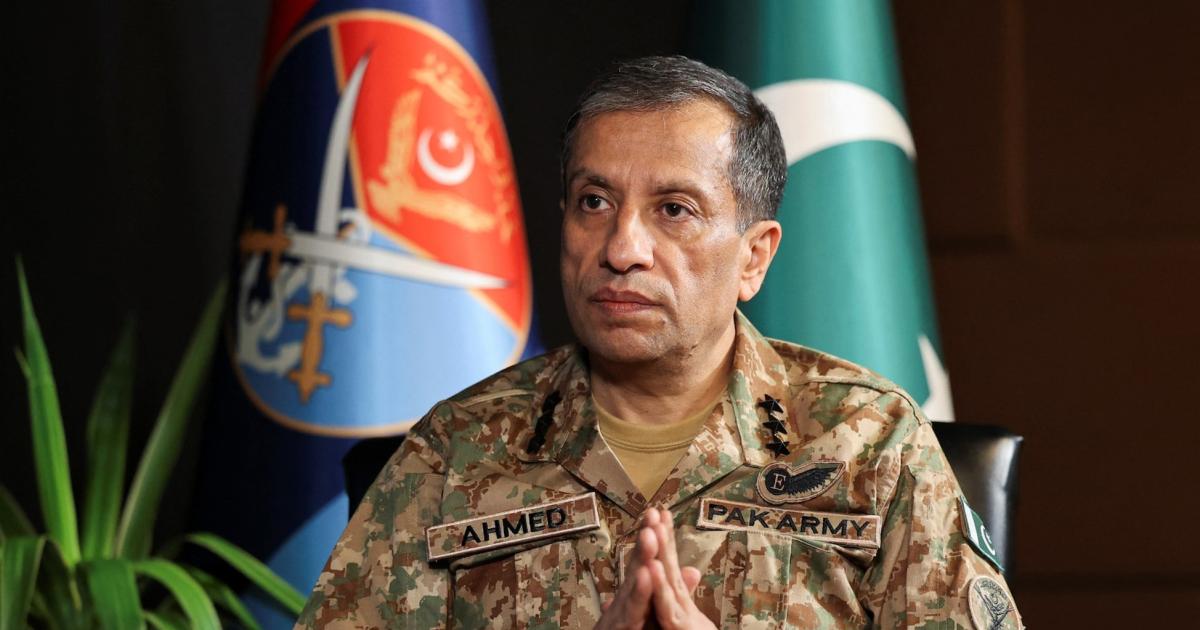
Army says Pakistan ready to defend Saudi Arabia under Mecca alliance
DG ISPR Lieutenant General Ahmed Sharif Chaudhry told Asharq Al-Awsat that Pakistani troops are already in the kingdom and support will continue as needed.

Shehbaz seeks concessional finance for 35pc clean energy target by 2035
Pakistan needs $138bn for low-carbon generation by 2035 and another $50bn to replace coal with solar, the prime minister told a COP31 session in Antalya.
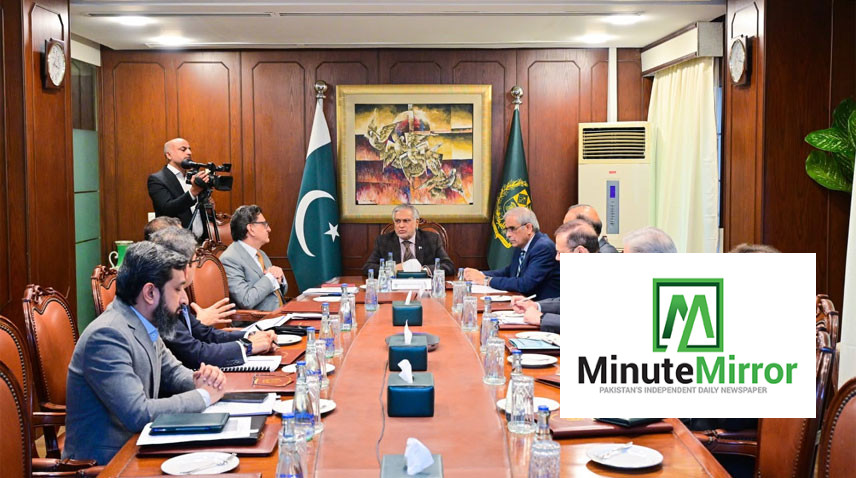
Ishaq Dar orders financing review for Pakistan Railways overhaul
Meeting in Islamabad weighs commercial bank loans for the Rohri-Multan section of ML-1 alongside public-private partnerships and foreign lenders.
SIFC and SECP told to revise venture capital bill draft
The Cabinet Committee on Regulatory Reforms flagged double taxation and foreign exchange repatriation rules as obstacles after its 16th meeting reviewed the draft.
PTA finds Pace Telecom, Falcon Broadband short of network standards
The regulator's third-quarter survey of 23 operators in 21 cities found 12 of 28 city-operator entries below full compliance, with Pace Telecom's Abbottabad network the weakest.

JI sets Quetta rally for Nov 22, Lahore gathering for Nov 29
Hafiz Naeemur Rehman says Peshawar and Karachi will follow, and repeats demands on petroleum levies, fertiliser and wheat costs and delayed local government elections.

Shehbaz Sharif meets Iranian president on COP31 sidelines in Antalya
The Prime Minister's Office said the two leaders backed regular consultation and reviewed progress on the June 2026 Islamabad memorandum of understanding.