



Oxfam report finds contamination indicators across 99% of Gaza
The charity and a UK research group say heavy metals, asbestos and untreated sewage threaten health for decades, based on satellite and open-source data.
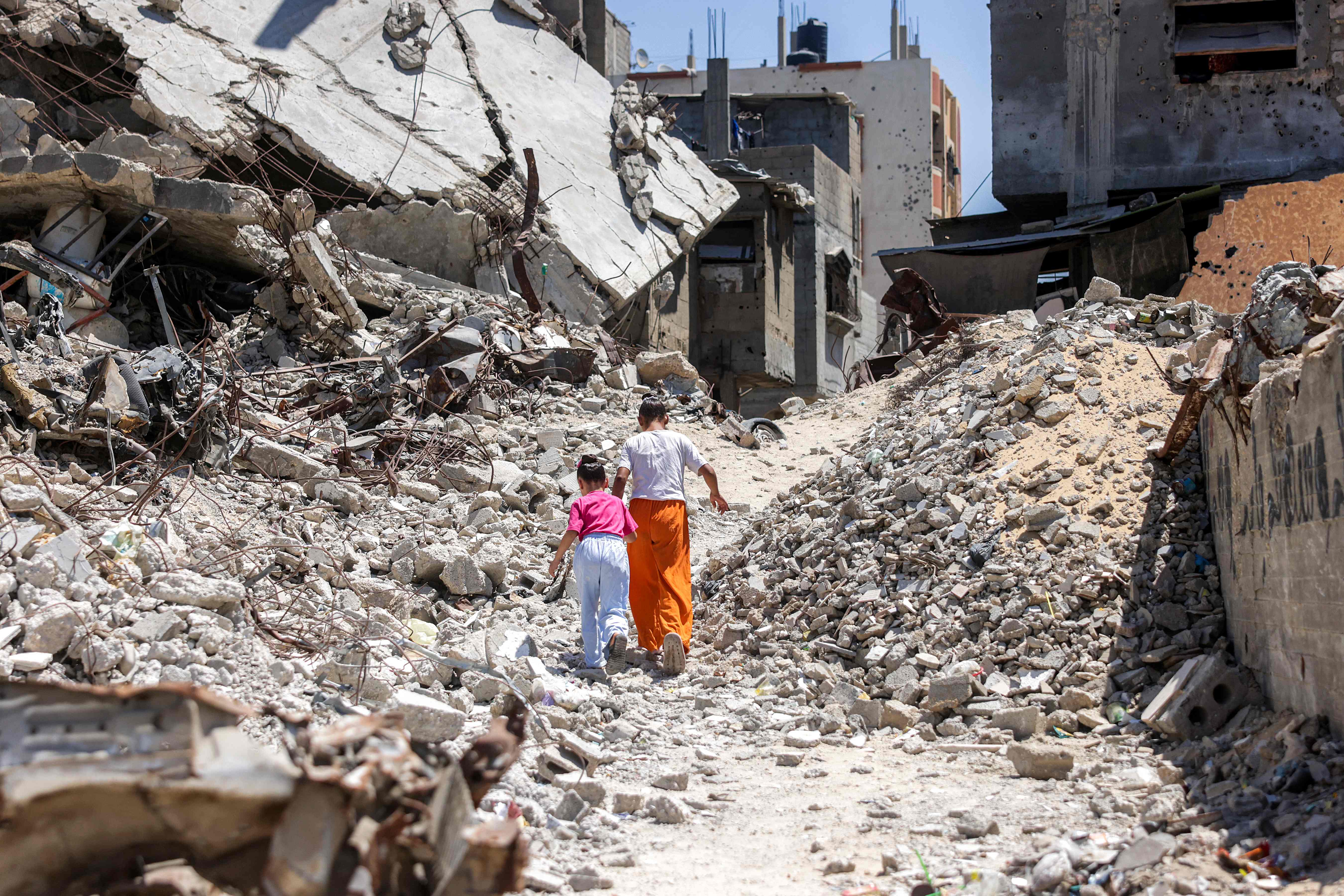
A report by Oxfam and the UK-based Conflict and Environment Observatory (CEOBS) says more than 99% of Gaza shows indicators of potential environmental contamination from Israeli military attacks. The groups used satellite imagery, remote sensing, spatial analysis and other open-source data. They list heavy metals, explosive residues, asbestos from destroyed buildings, dioxins and biological contaminants as hazards to Palestinians now and potentially for decades.
Oxfam International executive director Amitabh Behar said the impact "will have fundamentally degraded the environmental conditions necessary for human safety and survival". Behar accused Israel of "environmental war crimes" as part of an "ongoing genocide in Gaza". Israel has rejected genocide accusations at the International Court of Justice as baseless and distorted. It says its campaign in Gaza is self-defence against Hamas after the group's attack on Israel on 7 October 2023, and that it takes steps to mitigate civilian harm.
The Israeli embassy in the UK said the report "falls short of professional standards". It said the report relied on satellite imagery and unverified assumptions, lacked the academic rigour needed for serious scrutiny and reached conclusions about soil and groundwater without considering Hamas's tunnels.
A UN special rapporteur said in February that more than 200,000 tonnes of explosives were dropped on Gaza in almost two years, equivalent to the energy of about 13 Hiroshima-type nuclear bombs. UN Environment Programme (UNEP) estimated last year that the destruction of homes and infrastructure had generated more than 61 million tonnes of debris, about 15% of it potentially at high risk of contamination.
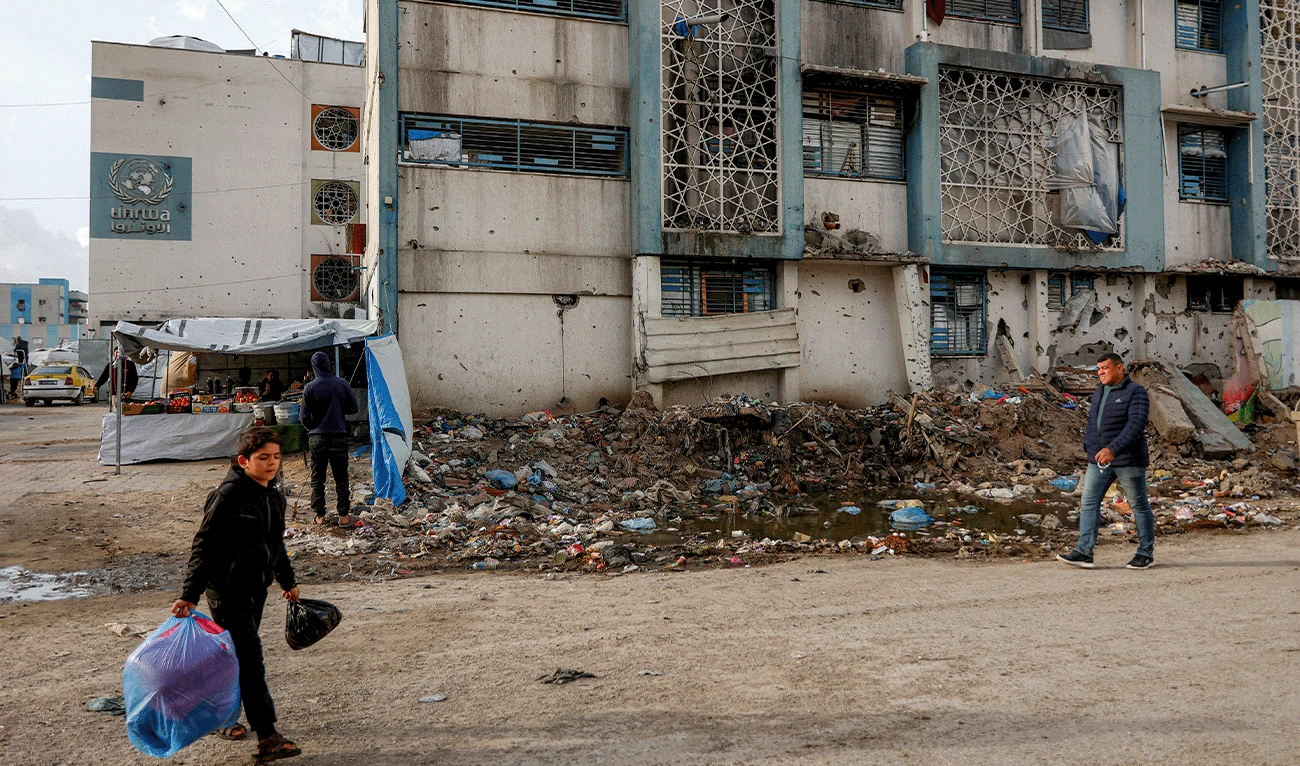
All six wastewater treatment plants in Gaza are out of operation, and untreated sewage flows into groundwater and the Mediterranean Sea, according to the BBC. Winter storms have mixed rainwater with wastewater and sent it through streets and tent sites for displaced people.
Testing contamination is often impossible because Gazan laboratories have been destroyed and Israel restricts entry of specialist equipment and scientists, the BBC reported. UNEP said security concerns had previously prevented its experts from travelling to Gaza. Oxfam's report calls for a full independent environmental assessment before any clean-up and for protection of workers involved.
Gazan doctors have reported more acute respiratory infections caused by dust and pollution from destroyed buildings, and by displaced people burning plastic, rags and cardboard for warmth and cooking, the BBC said. Dr Alaa Abu Hajar, a Palestinian dermatologist, told the BBC chronic skin diseases had risen five-fold since the war began. "There are rodents, rubbish and sewage that's spread through the streets," he said. "Unfortunately, the age group most affected is children."
Fisherman Abu al-Abed Sultan told the BBC that sewage and wastewater are discharged into the sea without treatment and rubble from destroyed houses is dumped there. "When we lower our nets, we catch rubble and garbage," he said.
At least 74,746 Palestinians have been killed since the start of the war, according to the Hamas-run health ministry, whose figures the UN considers reliable.
Watch

Nine-month-old baby dies of cold in Gaza, ministry says
The Palestinian health ministry called it the first cold-related death this winter, after 10 such deaths were recorded in Gaza last winter.

Israeli tanks enter central Gaza in first operation since ceasefire
The army says it crossed the Yellow Line to remove a threat to its troops; Hamas calls the move a violation of the US-brokered truce.
Zardari reaffirms Palestinian statehood support in letter to Abbas
The president marked the 38th anniversary of Palestine's declaration of independence with a letter backing pre-1967 borders and Al-Quds Al-Sharif as its capital.
UN appeals for immediate entry of winter supplies into Gaza
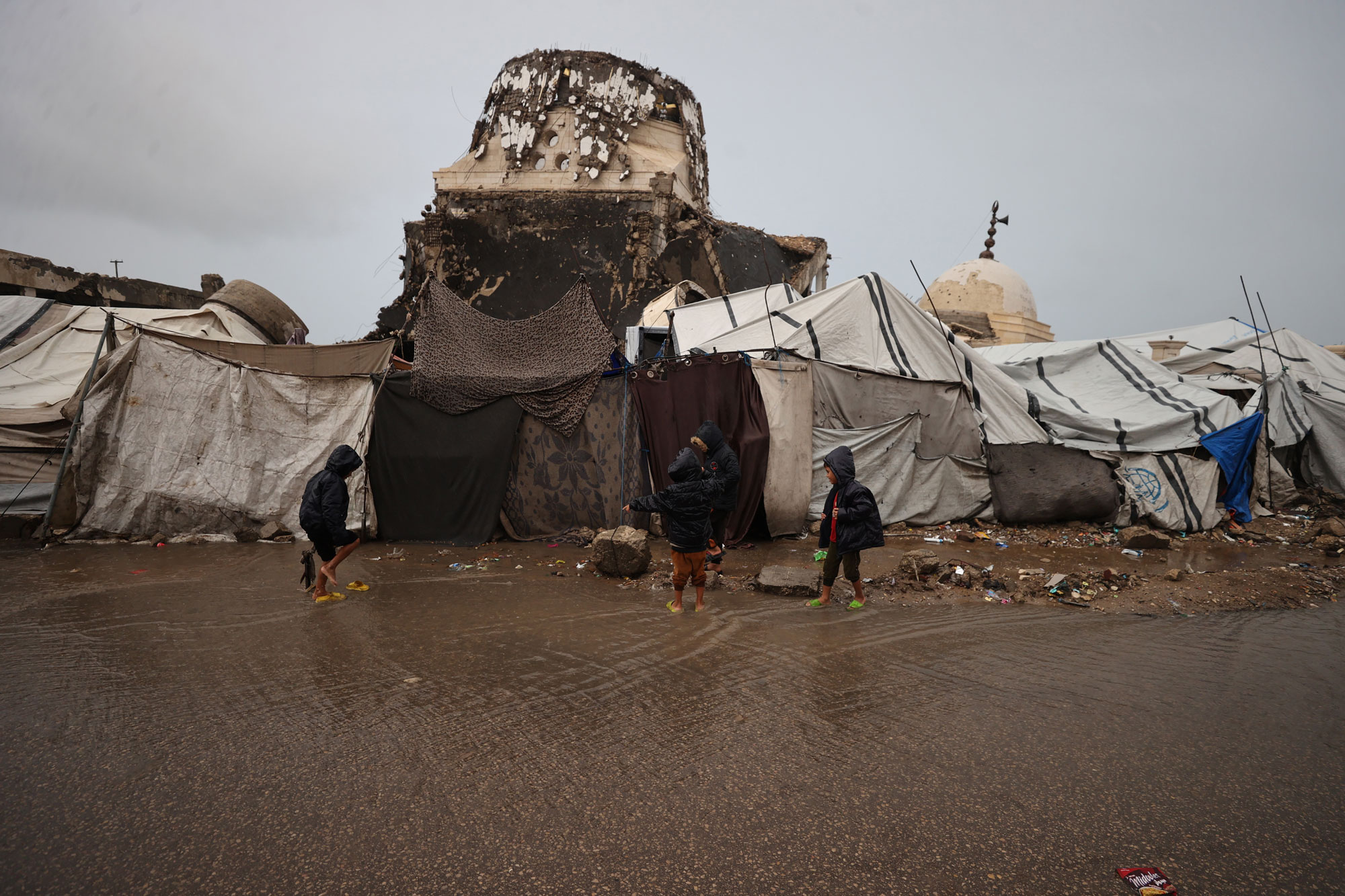
Aid groups say more than 150,000 tents are waiting outside the strip, mostly in Al Arish, after weekend rains killed people and wrecked thousands of shelters.
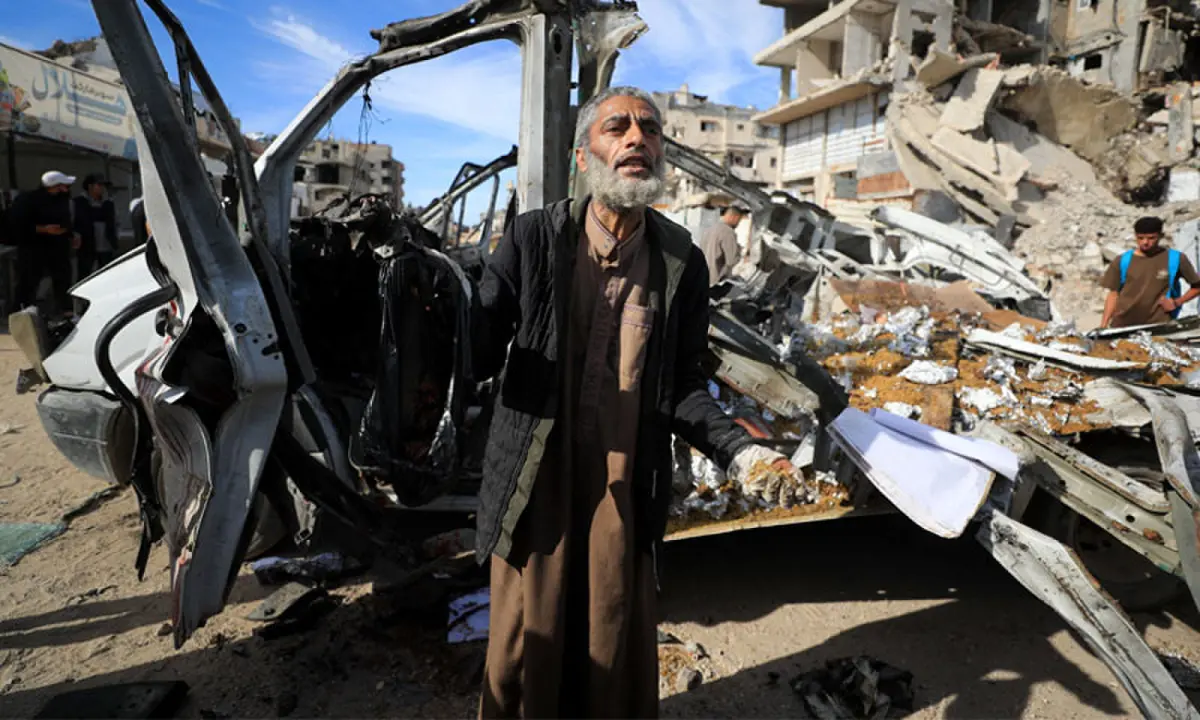
Israeli strike on food aid van in Gaza City kills three
Gaza's civil defence says a drone hit a vehicle carrying food for displaced families in Tel al-Hawa, as doctors report a Hamas security chief killed with his family.

Iran flogs singer Parastoo Ahmadi and four team members
Her lawyer said the 74 lashes were carried out in Qom over a December 2024 concert streamed online without a hijab.
Houthis say Saudi-led strikes on Yemen's Hodeida kill 17
The group said the attacks destroyed administrative buildings, staff housing and a mosque, and cut phone and internet services for tens of thousands.

COP31 talks collapse in Antalya as Saudi Arabia blocks fossil fuel text
The summit ended without a comprehensive deal three years after countries pledged in Dubai to move away from oil, gas and coal.