PTI K-P parliamentary party denies factions, demands access to Imran Khan
Meeting attended by chairman Gohar Ali Khan rejects governor's rule and vows to challenge it in constitutional, legal and political forums.
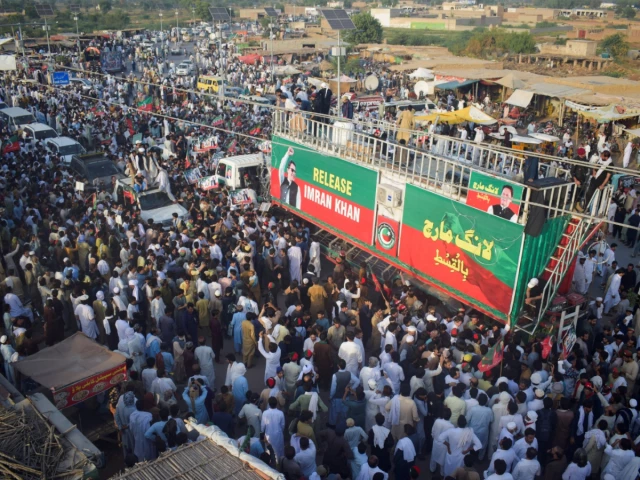
The Pakistan Tehreek-e-Insaf parliamentary party in Khyber Pakhtunkhwa said on Friday that no factions exist inside the party, rejecting reports of internal division and demanding immediate access to Imran Khan along with what it called authentic information about his medical condition.
The declaration came in a statement issued after a meeting of the provincial parliamentary party attended by most of its members. PTI chairman Barrister Gohar Ali Khan, provincial general secretary Ali Asghar Khan and acting provincial president Noorul Haq Qadri took part on special invitation, the Express Tribune reported.
The statement said the parliamentary party expressed complete confidence in Gohar Ali Khan's leadership and that all political and organisational matters would move forward on Imran Khan's instructions, through mutual consultation and collective decisions.
Emergency and governor's rule were imposed in Khyber Pakhtunkhwa on 11 October after talks between the government and the opposition failed. Reports that day said chief minister Sohail Afridi had been detained as the long march that began on 4 October moved towards Swabi. On Thursday the party's central secretariat ruled out any change in the chief minister's office, saying Afridi held the post with Imran Khan's backing.
The meeting followed public exchanges between former chief minister Ali Amin Gandapur and PTI secretary general Salman Akram Raja. Raja warned of attempts by what he called undemocratic decision-makers to undermine internal consensus, and Gandapur asked him to substantiate the allegations or apologise, according to the Express Tribune.
The parliamentary party opposed governor's rule and the emergency, calling them contrary to the public mandate, democratic principles and constitutional requirements, and said it would challenge them in constitutional, legal, judicial and political forums. It said the provincial parliamentary party must get effective representation in any future protest movement, negotiations or political strategy, and that earlier decisions reached by consensus must be respected.
It condemned what it described as political victimisation carried out in the name of counterterrorism, listing raids on workers' homes, arrests, detentions under the Maintenance of Public Order and the removal of PTI flags and signboards from development projects. It demanded that these actions stop and that workers be allowed their constitutional and legal rights. It also condemned the detention of Afridi, the provincial assembly speaker and other elected representatives and sought their release.
The meeting expressed grave concern over Imran Khan's health and asked for meetings with his family members and lawyers. Imran Khan and Bushra Bibi remain in Adiala Jail in Rawalpindi. A court sentenced them on 20 December 2025 to 17 years in the Toshakhana-II case, and in January 2025 an Islamabad accountability court handed Imran Khan 14 years and Bushra Bibi seven years in the £190 million case.
Imran Khan's sisters Noreen Niazi and Dr Uzma were detained on 21 September, a day after Aleema Khan was held under Section 3 of the Punjab Maintenance of Public Order Ordinance, 1960, ahead of the long march. The detention was extended on 7 October for 30 more days. Noreen Niazi, 70, was admitted to the Punjab Institute of Cardiology in Lahore after her health deteriorated in custody, her legal counsel said, claiming the family was neither informed nor given access to her.
The parliamentary party also raised reservations about the emergency and the transfer of administrative powers in 12 districts, including the merged tribal districts, opposed any reversal of the administrative integration of the former tribal areas and decided to convene a joint jirga of tribal elders and representatives of other political parties to agree a common strategy.
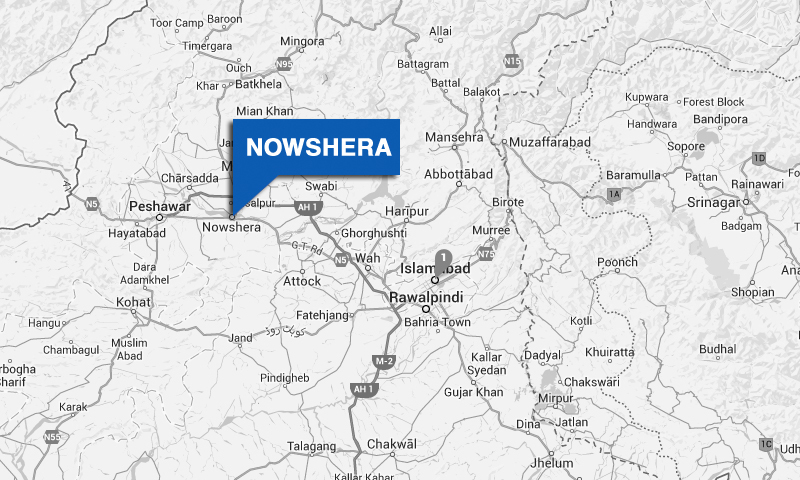
Mansehra assistant commissioner injured in Nowshera firing
Adil Waseem was shot at near Jalozai Panah Kot on Cherat Road while travelling to Peshawar, and is stable at Lady Reading Hospital, police and hospital officials said.
PM defends governor's rule in Khyber Pakhtunkhwa
UrduPoint quoted the prime minister saying a delayed decision would have caused further damage, and that the government waited for approval of a draft agreed in negotiations.

PM Shehbaz defends Khyber Pakhtunkhwa governor's rule, blames stalled talks
Shehbaz Sharif told a PML-N meeting that 48 hours of PPP-PML-N negotiation produced a draft that never won provincial approval, and questioned Rs800bn in NFC transfers.

KP health commission seals 1,465 illegal medical centres in three months
Inspectors checked 6,673 facilities across the province and issued explanation notices to 2,668 centres, the commission's performance report says.