Reports put Balochistan's share of farm loans between 1.1pc and 4.56pc
Two outlets give sharply different figures for the province's slice of agricultural credit, with Punjab taking more than 83 per cent in both accounts.
Agricultural lending in Pakistan is heavily concentrated in Punjab, according to two published reports, but the two outlets gave markedly different figures for Balochistan's share of the money.
Quetta Voice reported that Balochistan receives 4.56 per cent of agricultural loans while Punjab takes 84.52 per cent. In a separate report, Business Recorder put the figures for lending by Zarai Taraqiati Bank Limited at 83.9 per cent for Punjab and 1.1 per cent for Balochistan.
Both reports agree on the central point: Punjab accounts for more than eight in every ten rupees of the agricultural credit described, and Balochistan for a small fraction. They differ on the size of that fraction, and the published headlines do not establish whether they are measuring the same thing.
Business Recorder's headline referred specifically to ZTBL loans, the state-run bank that is the main channel for subsidised farm credit. Quetta Voice's headline referred to agricultural loans generally, which in Pakistan would include lending by commercial banks and microfinance institutions as well as ZTBL. The full text of neither report was available, so the basis for the two sets of numbers could not be confirmed.
The reports did not say why the distribution is so uneven, and no statement from ZTBL, the State Bank of Pakistan or the provincial agriculture department appeared in the material available.
Punjab is Pakistan's largest agricultural province by output, with the bulk of the country's wheat, rice, cotton and sugarcane grown on its canal-irrigated land. Farming in Balochistan is concentrated in irrigated pockets around the canal commands and in upland orchards, with a large share of rural households dependent on livestock and on water drawn from tubewells and karezes.
Neither report gave the total volume of loans disbursed, the number of borrowers covered, or the period to which the figures relate. The share of lending going to small farmers, and the cost of borrowing, were also not specified in either account.
Access to formal farm credit has been a long-running subject of debate in Pakistan, where the agriculture sector employs a large share of the labour force but receives a comparatively small slice of bank lending overall.
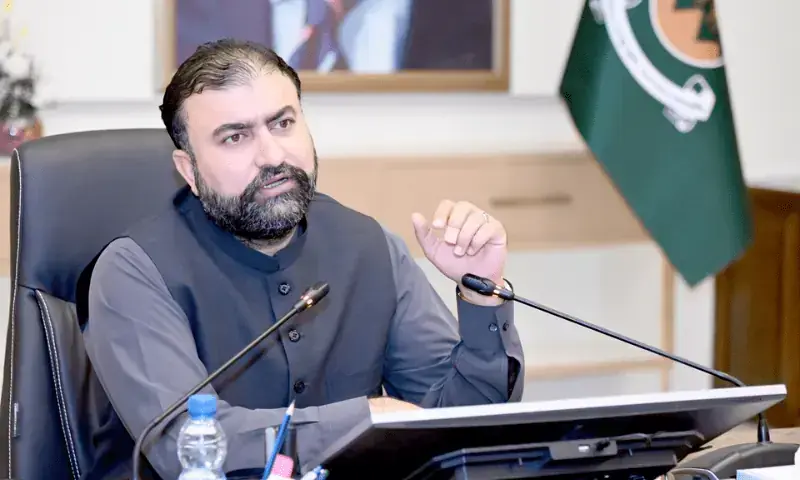
Balochistan CM says state open to dialogue within Constitution
Sarfraz Bugti voices satisfaction over operations against militants in Buleda, Kech district, and says action under Radd-ul-Fitna 3 is needed to protect peace.
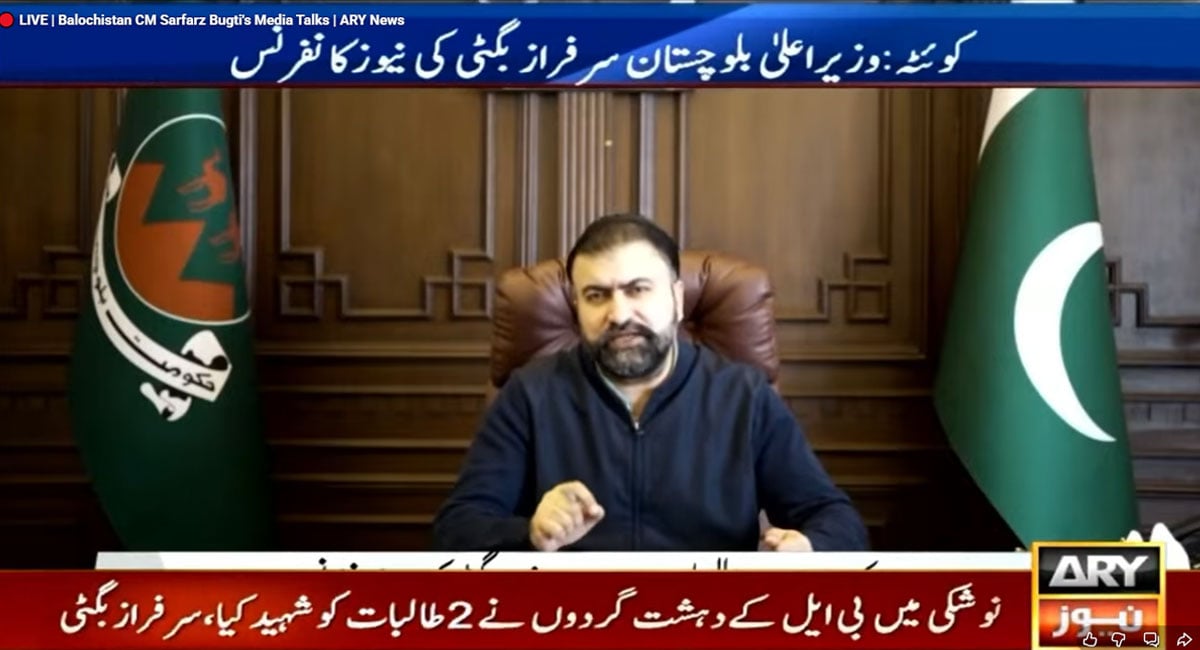
Balochistan dismisses 72 more doctors, total reaches 200
Chief Minister Sarfraz Bugti says Rs410m has been deducted from salaries and 11,000 staff issued show-cause notices, while the Express Tribune reports 102 dismissals.

ANP calls Quetta multi-party conference over Achakzai arrest
Jamaluddin Rishtya says the charges against the Balochistan ANP president are fabricated and invites parties, lawyers and traders to the November 6 meeting
Security forces shoot down five drones in Kharan, report says
Pakistan Connect described the downing as a foiled BLA attack, while a second outlet reported a foiled rocket strike on the Jaffar Express; neither account has official confirmation.