South Africa's ANC falls to 30.8% as coalition talks begin
Final results leave about 120 municipalities without an outright majority and give parties 14 days to put coalition councils in place.
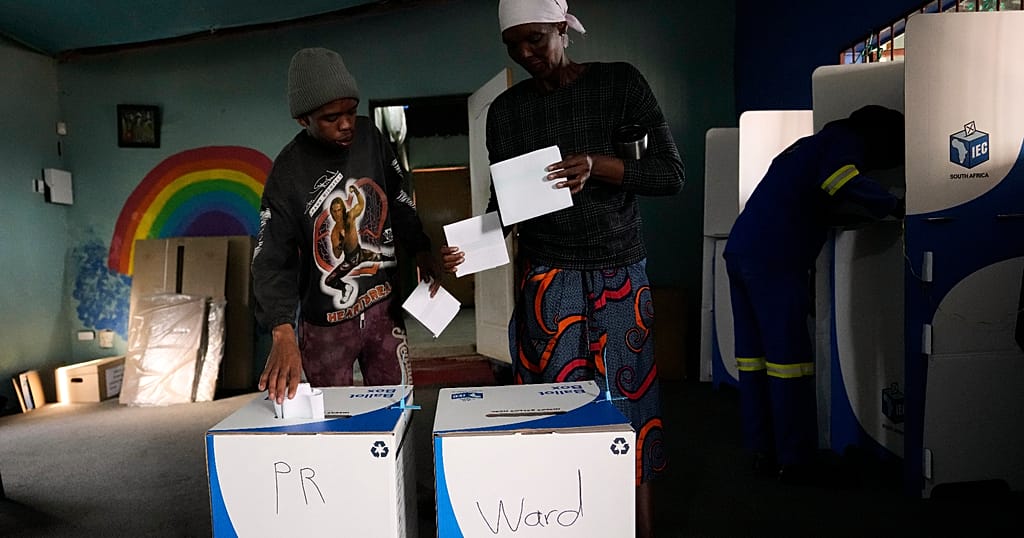
The African National Congress finished first in South Africa's local government elections but recorded its weakest result since apartheid ended, according to final figures the Independent Electoral Commission published on Sunday.
The party took about 30.8% of the vote, Africanews reported, citing the commission. The Democratic Alliance was on close to 24.6% and the uMkhonto weSizwe Party on about 9.8%. Voting was held on November 4.
No party secured an outright majority in roughly 120 municipal councils, and parties have begun negotiations on the coalitions that would control mayoral offices, council leadership and municipal administrations. The law gives them 14 days to establish working local governments.
The ANC has governed most of the country's municipalities since the first democratic elections in 1994, drawing on its role in the liberation struggle and Nelson Mandela's presidency. Corruption scandals, weak economic growth, high unemployment and failing services have since cut into that support. In the 2024 national election the party lost its parliamentary majority for the first time.
Residents' complaints have centred on water shortages, electricity cuts, deteriorating infrastructure and poor municipal service delivery, the responsibilities that sit with local councils.
Political analyst Xolelwa Kashe-Katiya warned that rushing the negotiations could produce municipalities run by fragile coalitions, Africanews reported. When coalition partners fall out, budgets are delayed, infrastructure projects stall and leadership changes, as previous coalition administrations in South Africa have shown.
The DA's second place strengthens its negotiating position, but the contest is no longer limited to the two largest parties. The Economic Freedom Fighters and ActionSA, alongside MK, could hold the balance of power in individual councils, leaving smaller parties to decide which formations take control of local administrations.
The ANC remains the largest party in the country. Its share of the vote has now fallen in successive elections, and it can no longer count on its old dominance to govern without agreement from other parties.
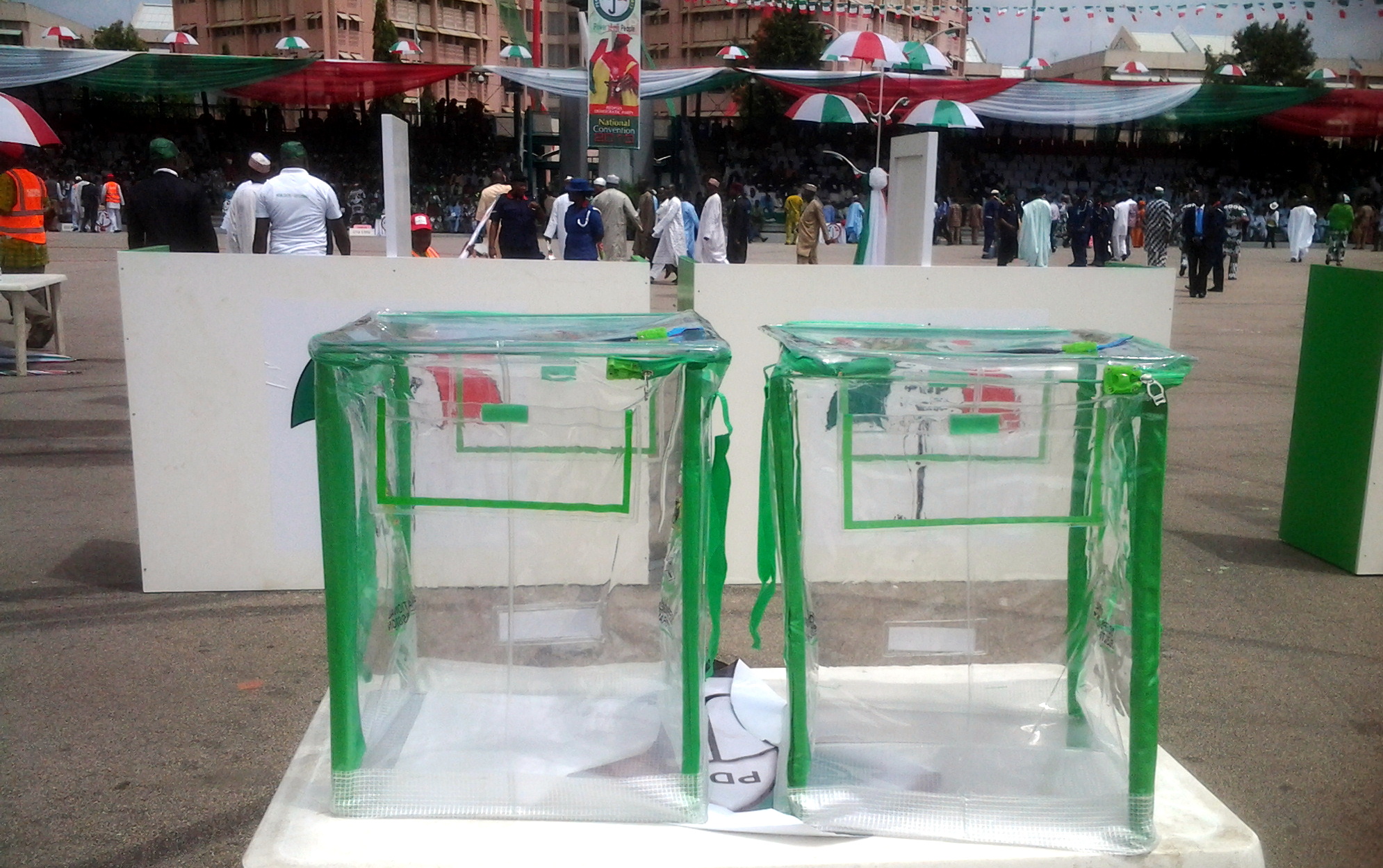
South Africa opens special votes as Zuma says MK Party is ready
The electoral commission says it is prepared for voting day, while Reuters describes a splintering electorate and a multi-party fight for the cities.
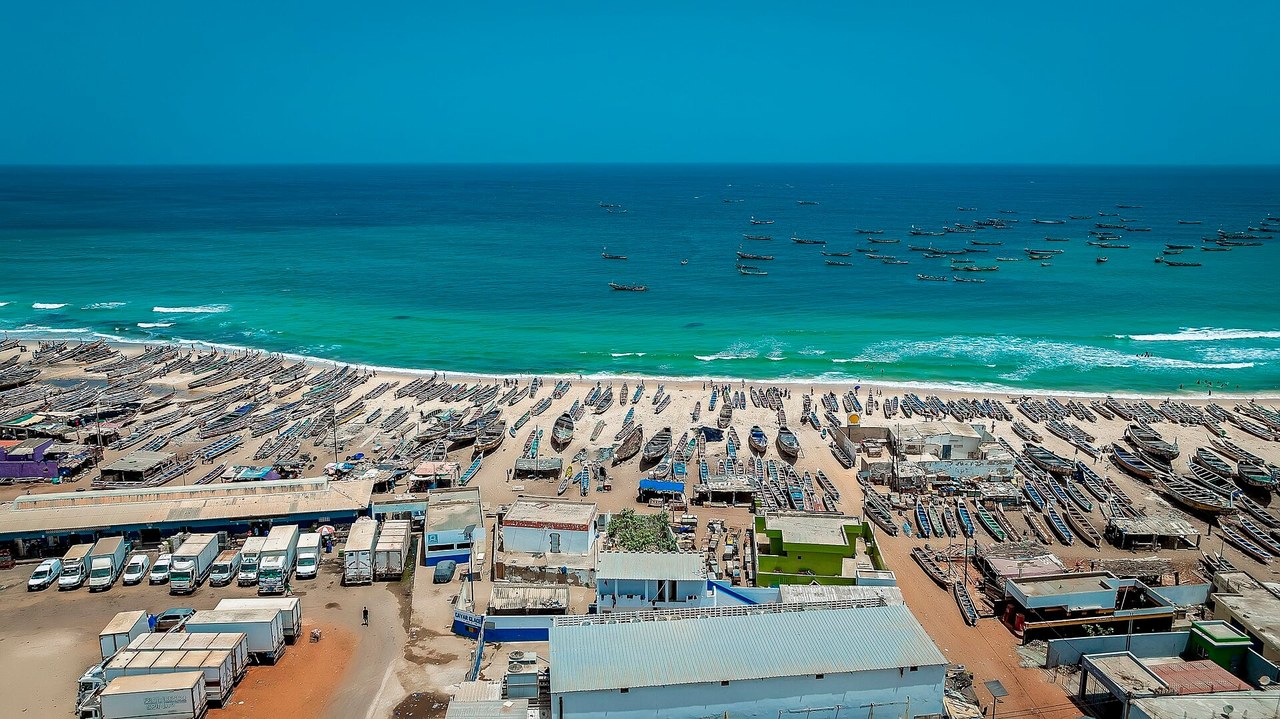
Senegal says 21 dead after migrant boat goes down off Lompoul
The Interior Ministry's provisional count gives one survivor, with rescue teams still searching and the boat's departure point and passenger number unknown.
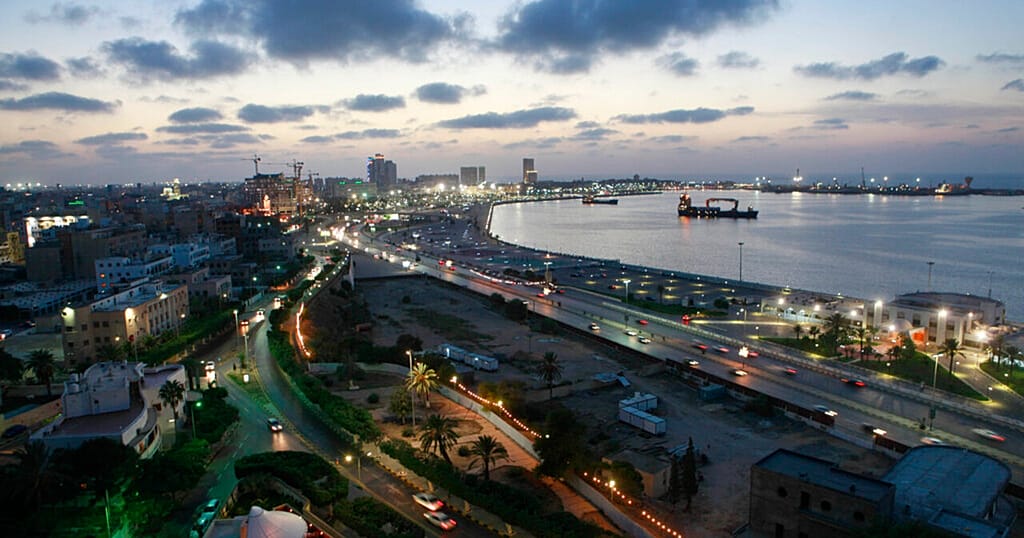
Egypt reopens Tripoli embassy after 12-year closure
Foreign Minister Badr Abdelatty opens the mission in Tripoli and discusses a gas pipeline and oil refining with Libya's western government.
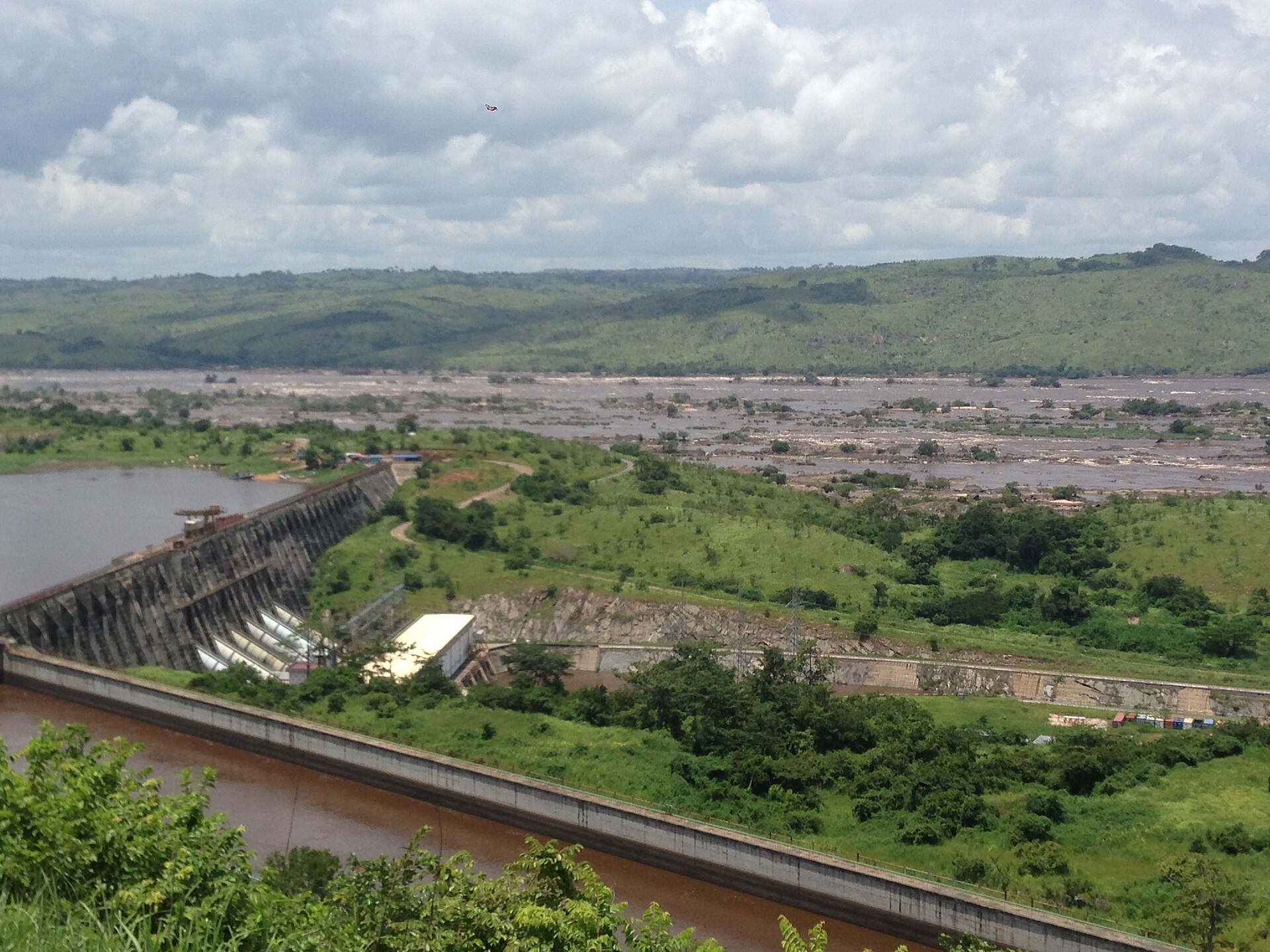
Congo and US review minerals pact in Paris, publish no figures
The second steering committee meeting produced a joint statement citing progress on a rail corridor and a hydropower plan, but no money or dates.

UNHCR warns nearly 90 million displaced face severe climate risks
The UN refugee agency says three in four forcibly displaced people live in countries exposed to drought, floods and heat, and urges action at COP31 in Turkey.

Kenya court sentences cult leader Paul Mackenzie to 200 years
Justice Diana Kavedza imposed 100 years for 183 starvation murders and 100 more for eight direct killings after October convictions over the Shakahola forest deaths.
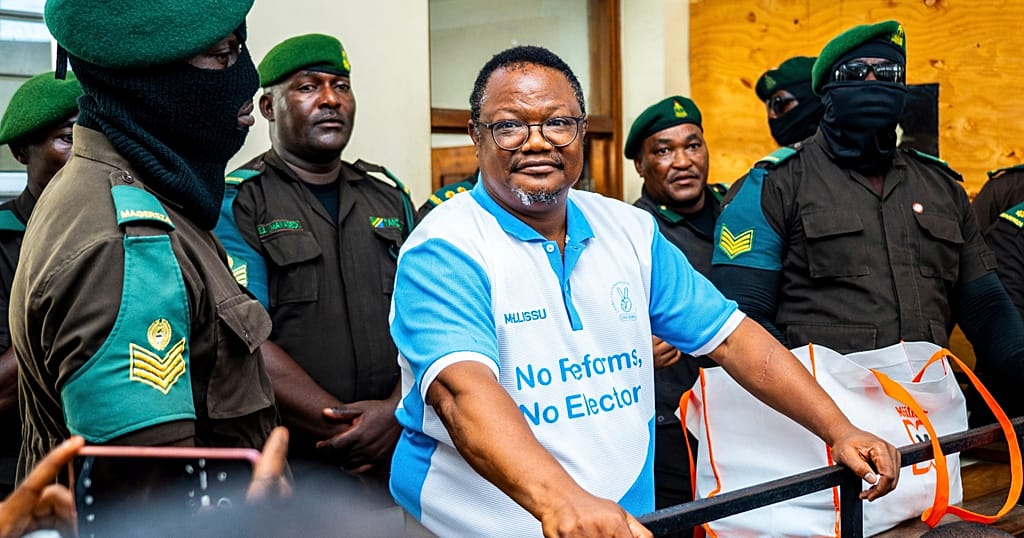
Tanzania court acquits Lissu of treason, jails him four years
The High Court in Dar es Salaam ruled after 19 months of detention for the Chadema leader, who had faced a possible death sentence.
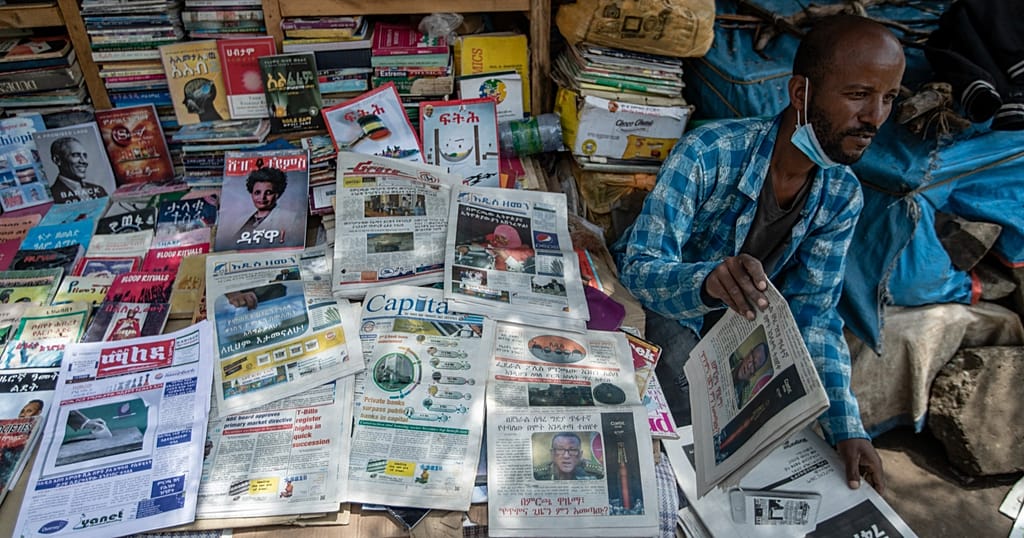
Ethiopia suspends licence of independent newspaper The Reporter
The Ethiopian Media Authority says the English and Amharic outlet published content against national interests; Human Rights Watch wants the ban lifted.