



Trump heads to Asia for Shenzhen summit with Xi and Putin
The US president travels after midterm losses and a spy scandal involving Nvidia's Jensen Huang, with a $14bn Taiwan arms package on Beijing's wish list.
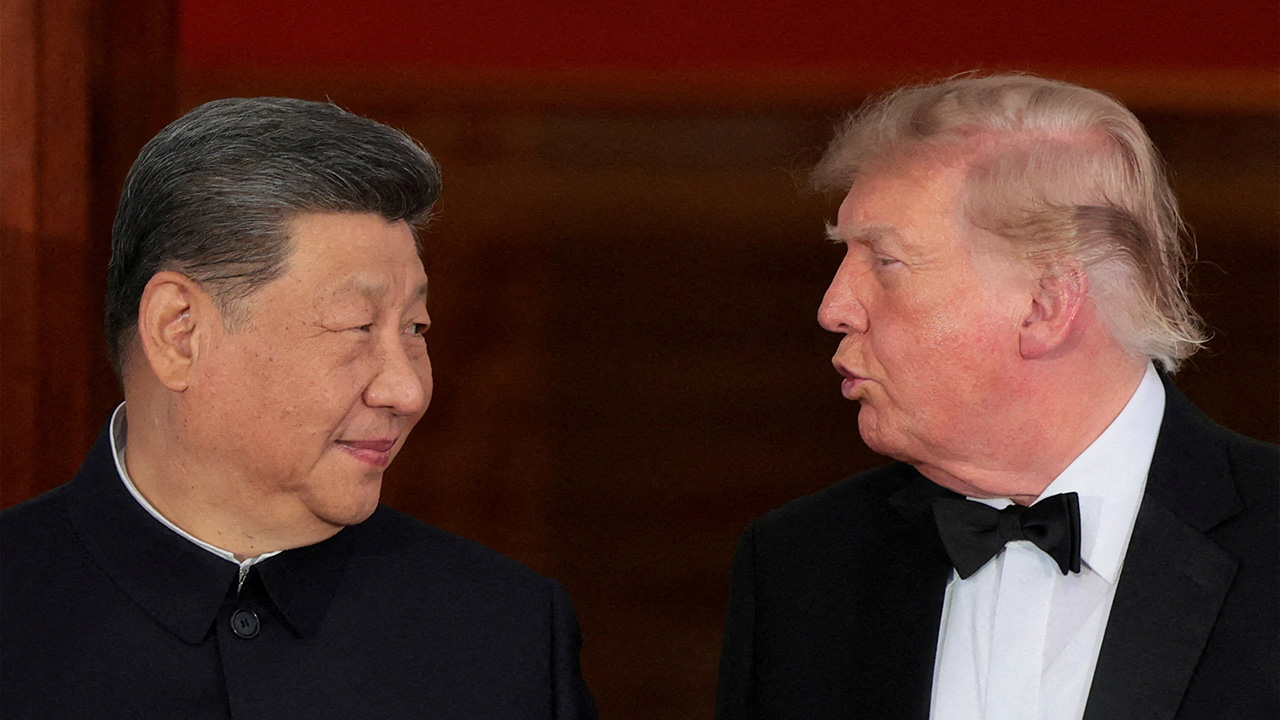
US President Donald Trump flies to Asia this week for a summit in Shenzhen with China's Xi Jinping and Russia's Vladimir Putin, with a trade truce under strain and Trump weakened at home by this month's midterm elections.
Trump stops first in Manila on Tuesday for meetings with Southeast Asian and other regional leaders, then travels to Shenzhen for the Asia-Pacific Economic Cooperation forum, where he will meet Xi and hold three-way discussions with Xi and Putin, according to Reuters.
The truce Trump and Xi agreed a year ago has been extended to early next year, with more Trump-Xi talks due at the G20 in Miami in December. Kurt Tong, a former senior State Department official now with the Asia Group, told Reuters he expects it to be extended again beyond its 10 January expiry.
The run-up has been dominated by the Nvidia affair. The Associated Press frames the trip around the scandal sharpening the artificial intelligence rivalry between the two countries. Reuters reported criticism that the administration failed to act on intelligence that Nvidia chief executive Jensen Huang, who has close ties to Trump, had an affair with a suspected Chinese spy, along with allegations that restricted semiconductors were diverted to Chinese customers.
House Speaker Mike Johnson said last week there was growing consensus in Congress on further limiting Chinese access to advanced chips, and Democrats are expected to press the issue when they take the House and Senate majorities in January. China says Washington fabricated the spy narrative to justify a technological blockade.
A senior US administration official, speaking on condition of anonymity, said Trump is not expected to raise the allegations with Xi and that the Nvidia matter "should not really have any bearing on the trip".
Beijing's priority is to stop Trump approving a $14bn arms package to Taiwan, which China claims as its own territory. Trump has said he is holding the package back as a "negotiating chip" with China, Reuters reported.
Trump's advisers describe his aims in legacy terms. Victor Cha of the Center for Strategic and International Studies said the president is focused on "building his legacy", including North Korea diplomacy, and may seek Xi's and Putin's help in arranging another meeting with Kim Jong Un. Trump sees the three-way summit as a possible route to nuclear arms control. Chinese analysts call that a non-starter because China holds far fewer warheads than the United States and Russia.
In Russia the meeting has been compared to the 1945 Yalta conference. The senior US official said Trump is not expected to raise Ukraine at the talks.
Ruby Osman of the Tony Blair Institute said that with "less reason to worry about market reactions or electoral fallout", Trump "may be more willing to consider disruptive measures". Zhu Feng, director of the Institute of International Studies at Nanjing University, said the dispute could speed up "the decoupling of AI" between the two superpowers.
How the reports differ
Reuters built its report around the Nvidia spy scandal and Trump's midterm defeat as the forces raising the stakes in Shenzhen, and it alone carried the detail that Trump is holding back a $14bn Taiwan arms package as a "negotiating chip". The Associated Press and KTVN led on the scandal as a turning point in the US-China AI rivalry rather than on the summit's agenda. The Straits Times ran the Reuters text with dates the other versions left out, placing the midterms on 3 November and the Manila stop on 17 November, fixing the truce's extension as early 2027 and converting the Taiwan package to Singapore dollars. Awani International, carrying the same Reuters copy, described the truce only as extended to "early next year".
Watch
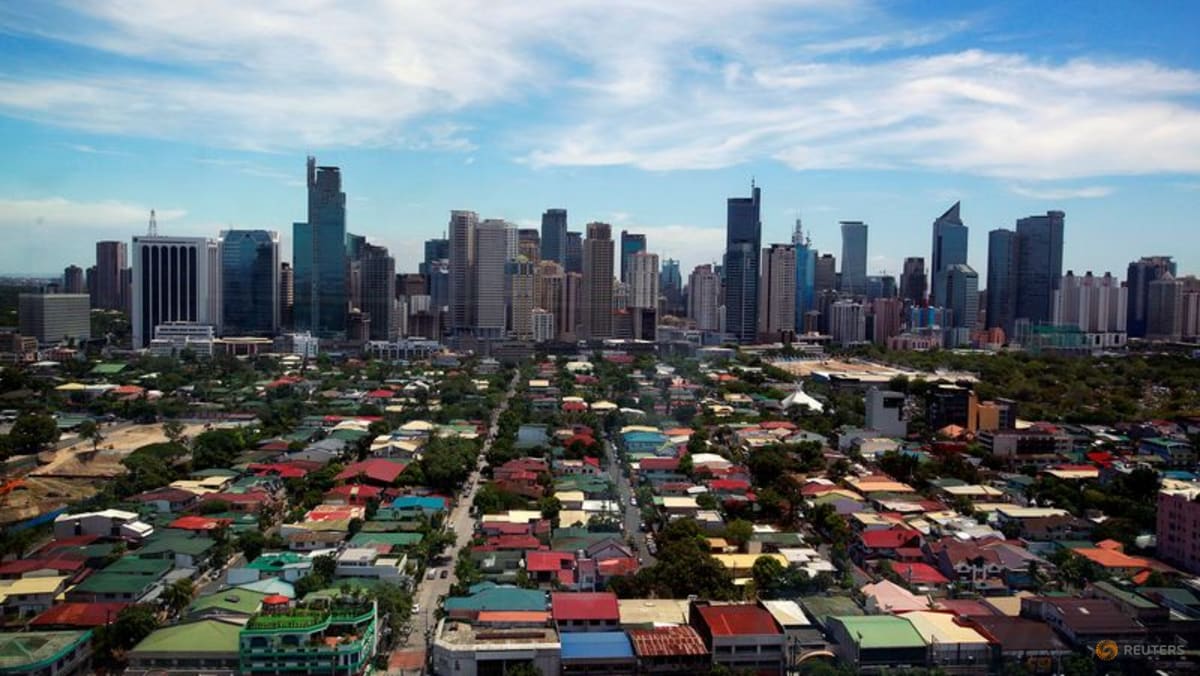
Manila hosts ASEAN summit as Trump, Modi and Putin head to Asia
The Philippines ends its ASEAN chair year without a South China Sea code, while APEC in Shenzhen tests a US-China hotline on AI.

Xi says Taiwan reunification 'must be realised' at Beijing ceremony
Taipei's Mainland Affairs Council rejected 'one country, two systems' the same day, as Taiwan's defence ministry reported 29 Chinese aircraft around the island.
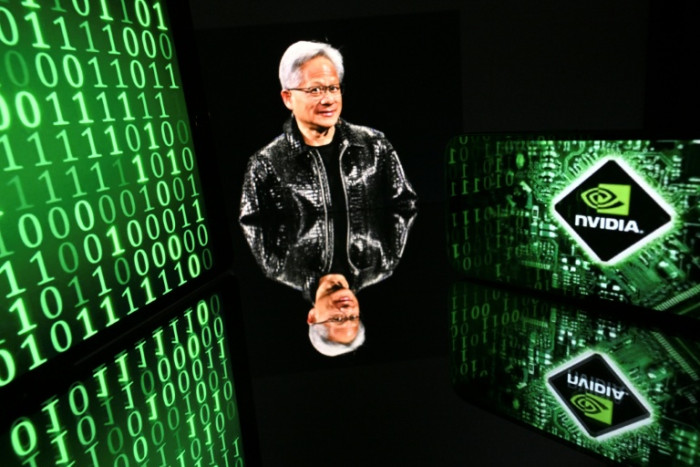
Military-linked Chinese university bought Nvidia H200 chips despite US blacklist
Records reported by Reuters show the purchase went ahead although the institution sits on a US blacklist; NDTV says the ban dates back 25 years.

Nvidia board opens probe into Huang's affair with suspected China spy
The chipmaker's directors say they still back their chief executive after a New York Times report tied his partner to Chinese intelligence.
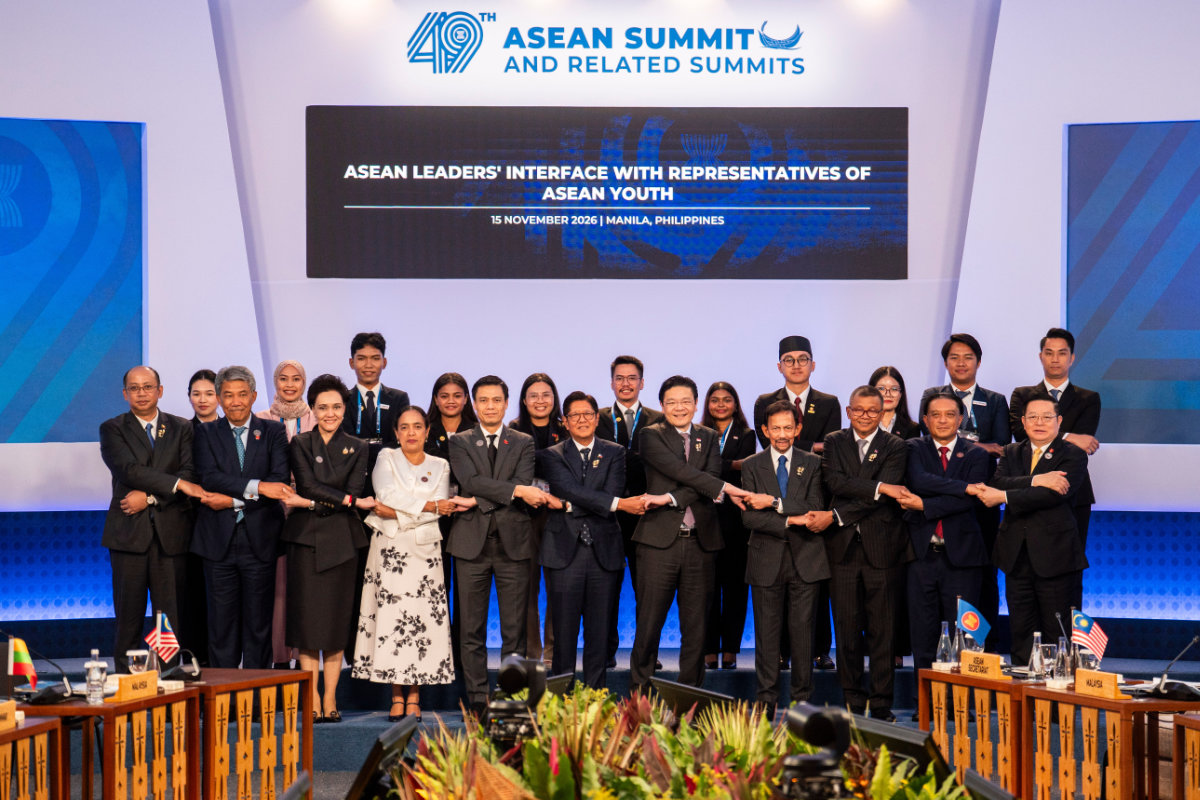
ASEAN leaders extend ban on Myanmar's Min Aung Hlaing at Manila summit
The bloc said the military and armed groups keep attacking civilians, and cited too little progress on the 2021 five-point peace plan.

Hong Kong's New World seeks US$3.2bn in discounted rights issue
The debt-laden developer is offering 11 new shares for every one held at HK$0.90, an 81.5 per cent discount to Thursday's close, with the Cheng family backing the plan.

Quad leaders plan Manila summit on Tuesday, sources say
The four-country grouping has not held a leaders' meeting in more than two years, with energy security and supply chains on the agenda.
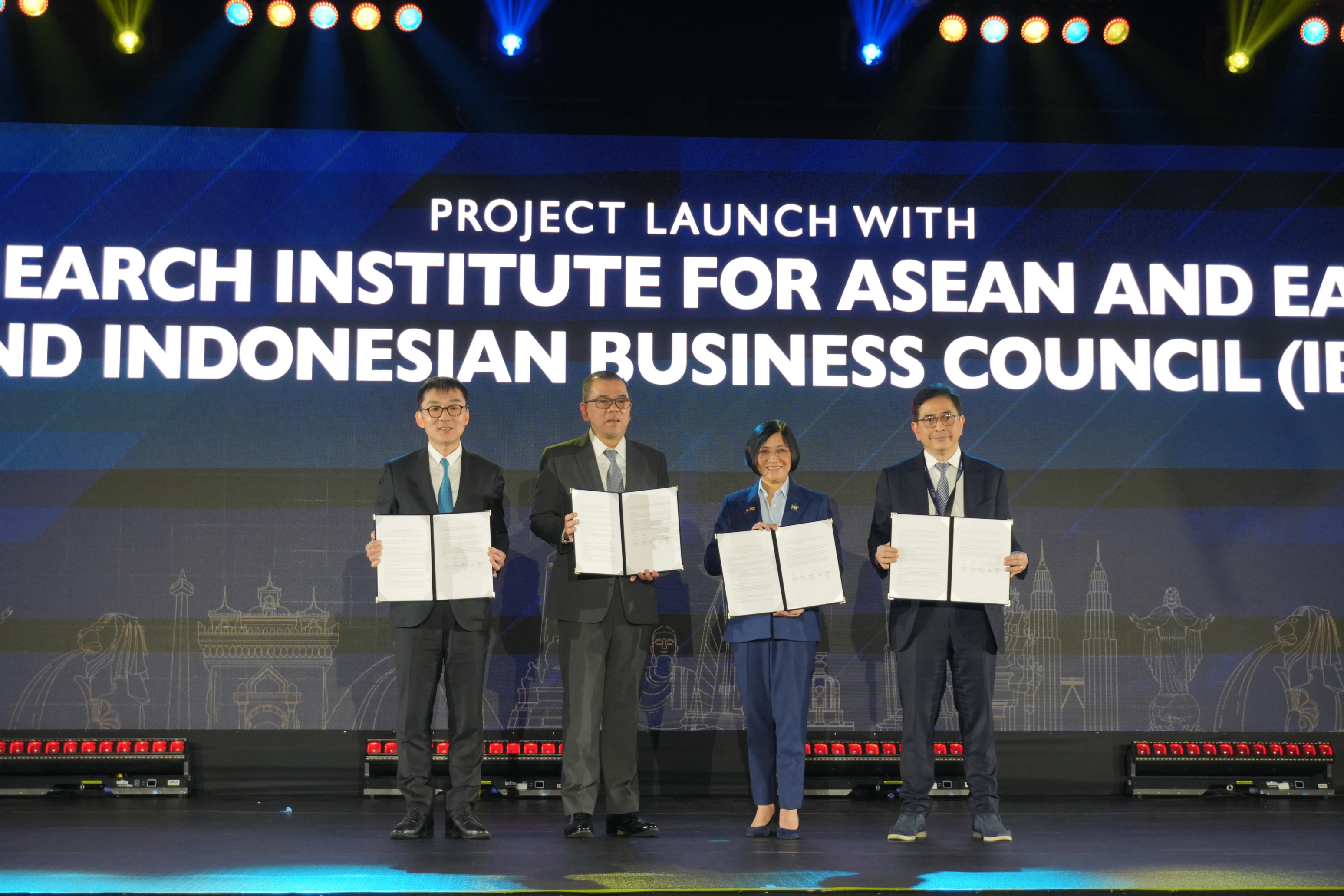
Philippines signs emergency oil access pacts with Indonesia, Thailand
State firm PNOC-EC signs letters of intent at an ASEAN business summit, backed by a Japan-supported ticket system for emergency fuel.