



Trump leaves Asia without meeting North Korea's Kim Jong Un
Kim spent the week at a ski resort, Mount Paektu and a naval university, while Trump said there had been 'too many meetings' to arrange a summit.
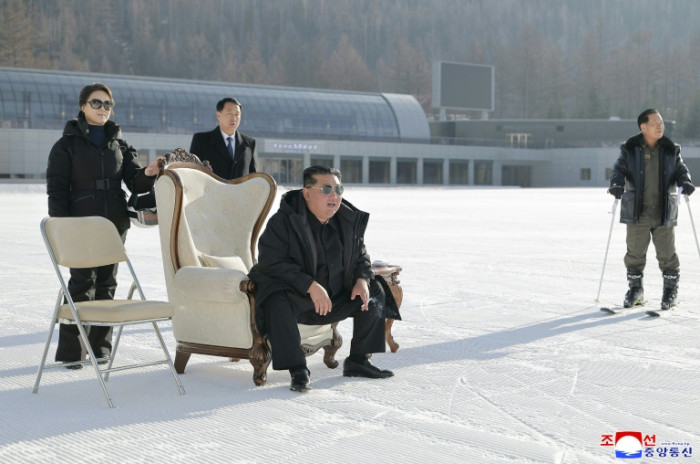
US President Donald Trump left Asia late on Thursday without meeting North Korean leader Kim Jong Un, ending a tour in which he had repeatedly raised the prospect of a summit, and leaving Pyongyang's nuclear programme where the two men's earlier talks left it.
"The relationship is there, but we didn't meet," Trump said, according to NBC News reporter Gabe Gutierrez, who said he spoke with the president as they flew back to Washington from Asia. "There was too many meetings," Trump said. "It wouldn't have worked out." He added: "We'll have that meeting at some point."
Trump departed after a trilateral meeting with the presidents of China and Russia, CNA reported. Earlier in the week he had said Kim "would like to" meet him.
North Korean state media showed no sign of preparations for one. Kim appeared at a ski resort and at Mount Paektu, the mountain given a central place in North Korean state lore, earlier in the week, then visited a naval university on Wednesday where he stressed maritime defence, according to CNA and the Bangkok Post, which carried the same AFP account. Photographs released by the Korean Central News Agency on Nov 19 showed him inspecting the site of the Ragwonpho greenhouse branch farm in Ragwon County, South Hamgyong Province.
On Saturday, state media said Kim had inspected school equipment and teaching aids and visited factories making school gear, the South China Morning Post reported. Yonhap reported the naval university visit alongside construction sites on the eastern coast, and linked the tour to the possibility of North Korea-US talks.
Trump met Kim three times in his first White House term. Their 2019 summit in Hanoi collapsed without a deal, and Kim went home on a 60-hour train journey.
Since returning to office, Trump has repeatedly floated a new meeting. He reached out to Pyongyang before his Asia tour last year, describing North Korea as "sort of a nuclear power", and received no response. In March, South Korea's then prime minister Kim Min-seok said Trump thought a meeting with Kim would be "good".
Lim Eul-chul, a professor at Kyungnam University's Institute for Far Eastern Studies, told AFP he was "sceptical that any concrete behind-the-scenes contacts took place" between Pyongyang and Washington. Koh Yu-hwan, a professor emeritus at Dongguk University, said a proper summit would require an exchange of special envoys and working-level negotiations, and that Kim "probably had no reason to be used for a photo opportunity aimed at boosting Trump's political achievements".
Yang Moo-jin, former president of the University of North Korean Studies, told AFP that Pyongyang had not explicitly refused, so a future meeting could not be ruled out. Weeks before Trump's arrival in Asia, Washington, Seoul and Tokyo reaffirmed their commitment to North Korea's "complete denuclearisation".
Koh said Pyongyang is receiving economic and military support from Russia for its involvement in the Ukraine war while expanding economic cooperation with China, and continues to raise funds through hacking and cryptocurrency theft despite international sanctions.
How the reports differ
Yonhap framed Kim's movements around the possibility of North Korea-US talks and was alone in reporting construction sites on the eastern coast alongside the naval university visit. The South China Morning Post led instead on Kim's Saturday inspection of school equipment, teaching aids and school-gear factories, calling the tour an apparent snub of Trump, a detail the other reports did not carry. CNA and the Bangkok Post ran the same AFP explainer, built around interviews with the analysts Lim Eul-chul, Koh Yu-hwan and Yang Moo-jin, and were the only reports to name them. The Japan Times led with the question of why Kim did not meet Trump, its standfirst placing him at a ski resort and a naval university while the US president, in its words, knocked repeatedly at Pyongyang's door.
Watch
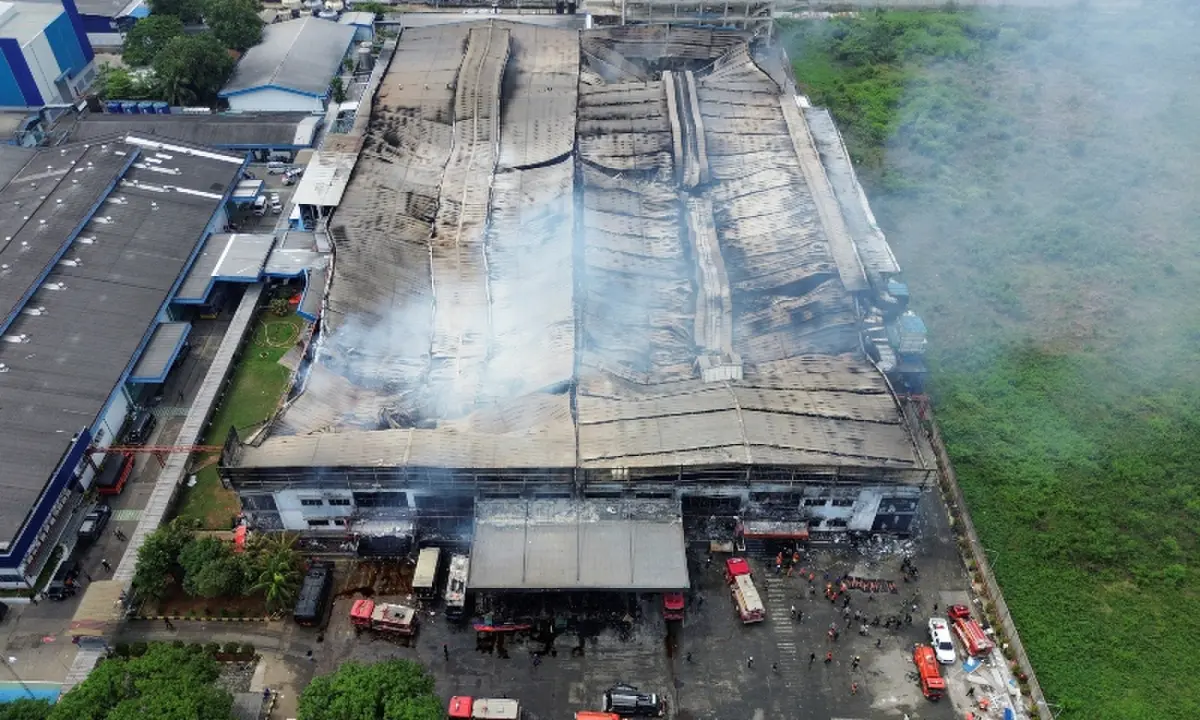
Indonesia factory fire kills three, rescuers seek 36 missing
The Banten governor said about 60 workers were inside the confectionery plant in Serang when it caught fire on Saturday afternoon.
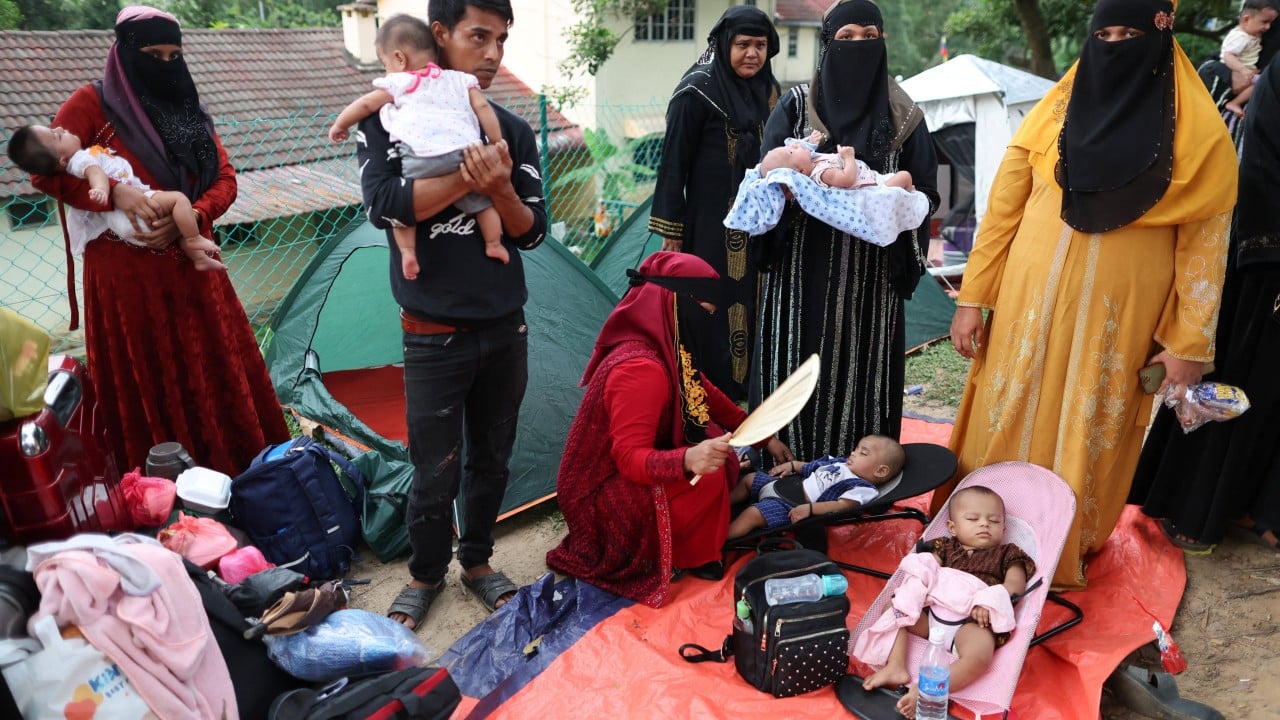
Malaysia plans to resettle 10,000 Rohingya refugees in Turkey
Deputy Prime Minister Ahmad Zahid Hamidi said the cabinet approved the plan a day after the ICJ found Myanmar guilty of genocide against the Rohingya.

Xi, Trump and Putin hold first trilateral summit in Shenzhen
A joint statement said the three countries would raise refined oil supplies and open talks on nuclear risk, in a meeting the AP said produced no breakthroughs.

Binance plans five new Asian markets after $6.3bn crypto heist
SB Seker says three of five or six negotiations are mature, with South and Southeast Asia the priority and details due in the first quarter.
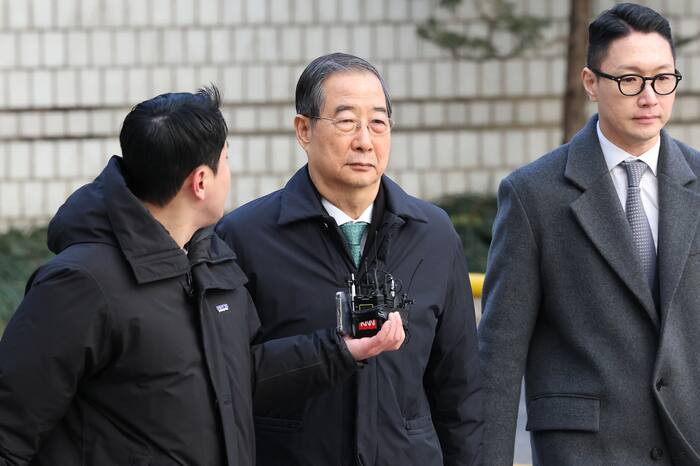
South Korea top court overturns Han Duck-soo's 15-year sentence
The justices ruled Yoon Suk Yeol's December 2024 martial law decree unconstitutional and sent the former prime minister's case back to the Seoul High Court.

Fiji declares state of disaster as El Nino drought cuts water supplies
Prime Minister Sitiveni Rabuka has set aside FJ$20 million for emergency water, with below-normal rain forecast until at least April.
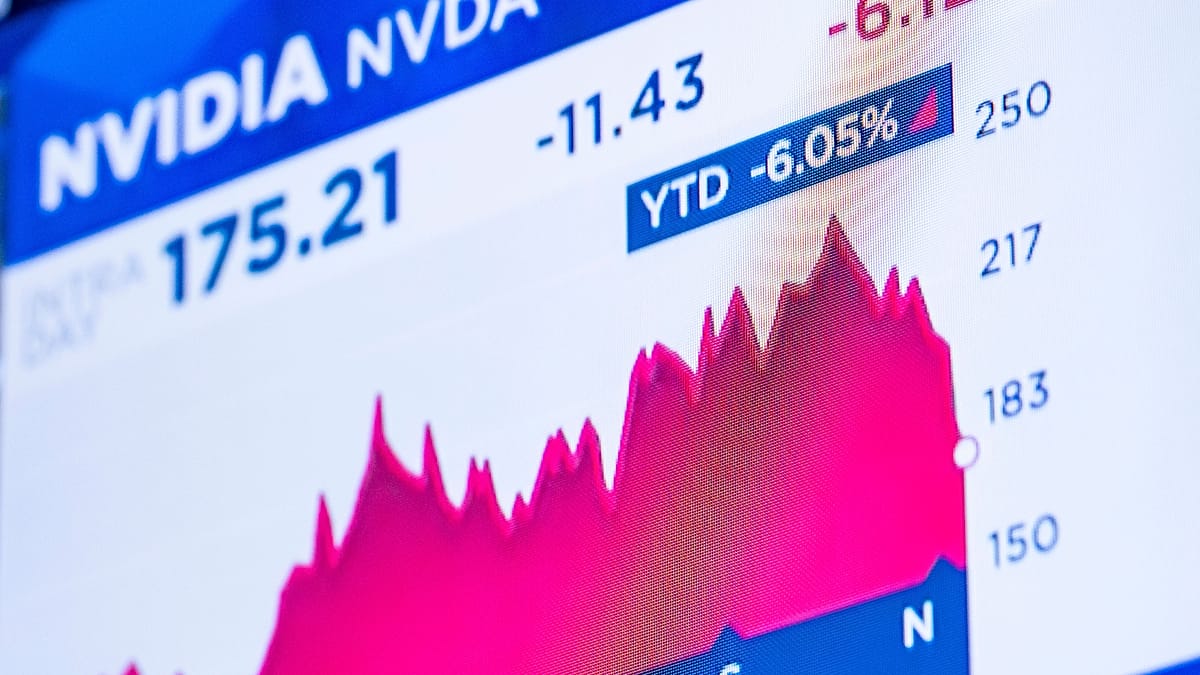
Asian chip stocks fall as Nvidia turmoil and Anthropic debut loom
Tokyo, Seoul and Taipei led regional losses while investors weighed the chipmaker's leadership crisis and a $1.4tn AI listing.

Nvidia earnings beat lifts Seoul stocks after Asia tech selloff
The chipmaker reported more than $115bn in quarterly revenue and forecast $130bn, after Asian markets fell on new US restrictions on AI chip access in China.