



US officials split over China spy claims in Nvidia's Huang affair
FBI briefings say the intelligence does not show Alice Huang was a Chinese agent, while other officials read her contacts with Beijing's spy service differently, five people told Reuters.
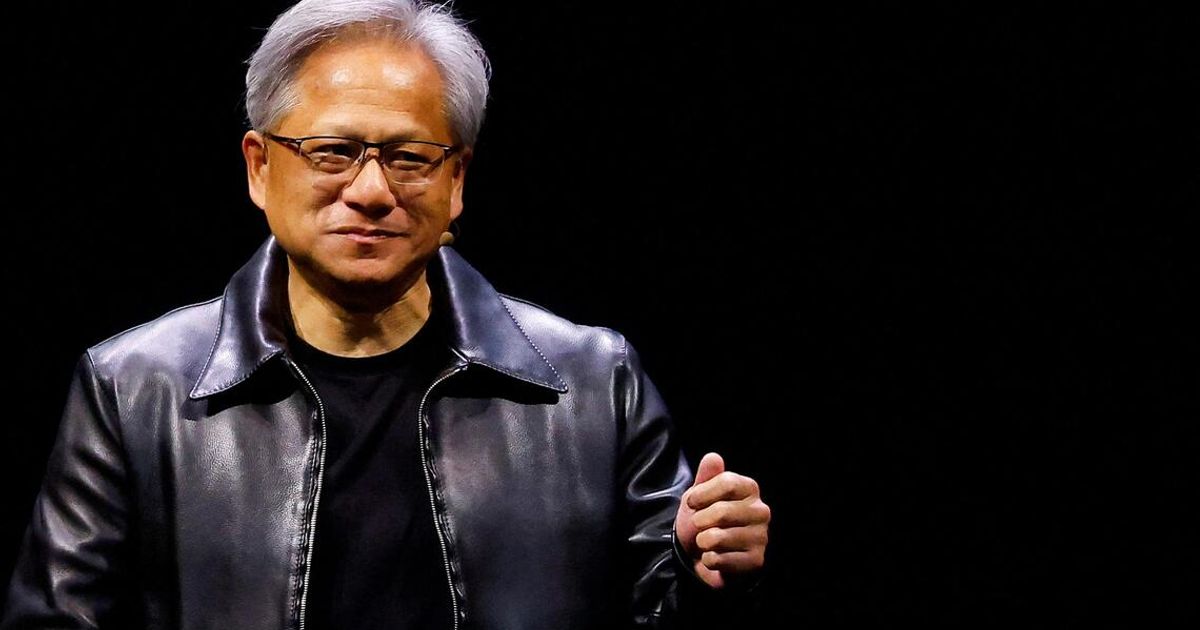
Senior US national security officials are divided over whether Alice Huang, a former executive at a major Nvidia customer, was working for or passing information to China's Ministry of State Security, Reuters reported, citing five people familiar with the matter. The dispute sits behind President Donald Trump's push to restore Jensen Huang as Nvidia's chief executive after the board removed him in November, three of the people said. It comes days after Trump declared the Nvidia chief was not a security threat to the United States.
The United States has gathered intelligence on Alice Huang and her contacts with people associated with the MSS, two people briefed on the material said. It has been described for months in reports from several agencies, including the CIA, they said. Reuters said it could not establish the details of those reports.
The FBI, which handles counterintelligence investigations, has assessed in recent briefings that the intelligence does not show Alice Huang is an officer or an asset of Chinese intelligence, according to the two people. It has left open the possibility that new evidence could change that.
Some officials argue that her contacts with the MSS indicate cooperation with Beijing even without evidence that she passed information. The CIA's analysis holds that Alice Huang, a Chinese national, was in touch with the spy agency because Chinese law obliges citizens to cooperate with intelligence authorities, one of the people said. Another said CIA reporting centred on her former employer, Megaspeed, and the diversion of US chips to China, which many officials regard as a bigger national security threat than the affair.
A classified memo written by Marco Rubio, the secretary of state and national security adviser, earlier in 2026 indicated the MSS had recruited Huang, potentially as an asset, according to an earlier New York Times report cited by Reuters.
Officials did not formally debate the differing readings before the Nvidia board ousted Huang, the five people said. The intelligence reports were held inside the intelligence community and among cabinet officials and were not shared with Congress, two of the people said. The National Security Council, cut back since the start of Trump's term, held no cabinet-level meeting on Huang and Nvidia, according to two people with knowledge of the matter.
Jensen Huang has acknowledged being unfaithful to his wife and apologised, but has not publicly addressed the alleged relationships in detail. China has denied the espionage allegations. Megaspeed says it does business lawfully and complies with US export controls. The White House, CIA, FBI and State Department declined to comment. Reuters said it had not reached Alice Huang.
How the reports differ
Reuters labelled its account an exclusive, and The Straits Times and Rappler carried the fullest versions of the wire copy, including the detail of what the FBI and the CIA concluded. Those two accounts part company on one point: The Straits Times gave the more qualified assessment, that reporting does not clearly show Alice Huang held or passed sensitive information, to "the agency" it had just identified as the FBI, while Rappler attributed that view to the CIA and gave the FBI the narrower finding. The Japan Times put the unanswered question in its standfirst, asking whether the woman Huang was having an affair with was a Chinese spy, and carried none of the intelligence detail. The South China Morning Post reported no part of the officials' debate, publishing instead an interview with Laila Khawaja of Gavekal Technologies that framed the Huang episode as a reset in the US-China technology rivalry.
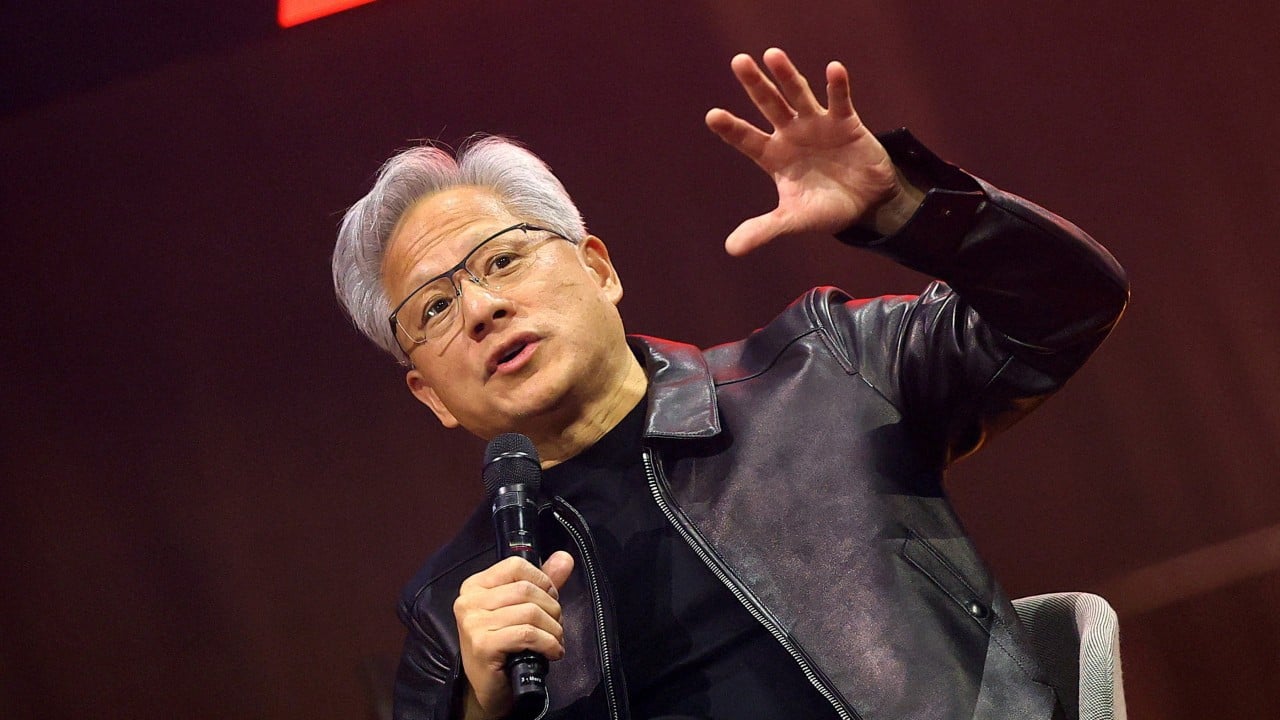
Nvidia board opens probe into Huang's affair with suspected China spy
The chipmaker's directors say they still back their chief executive after a New York Times report tied his partner to Chinese intelligence.

US chipmaker Nvidia opens investigation into CEO Huang over Chinese intelligence reports
The board says it has no reason to believe US national security or company secrets were compromised, as Republican lawmakers call on Huang to brief Congress.
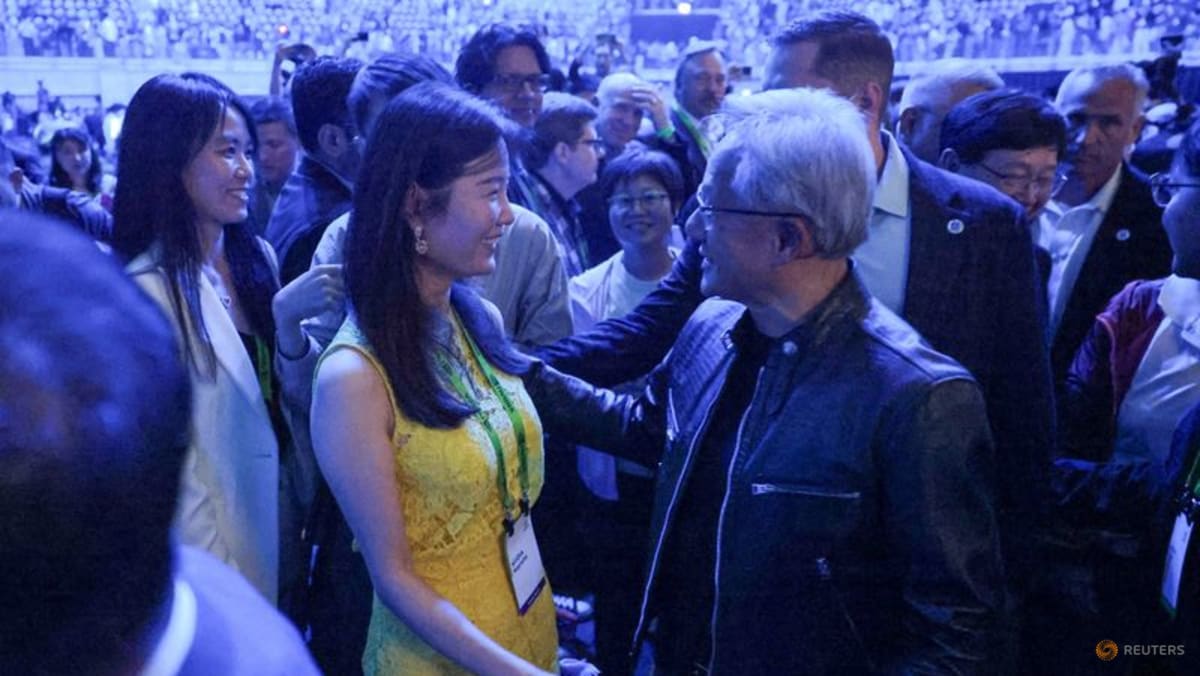
Nvidia faces possible S&P downgrade over board and succession
Ratings agency cites board independence and who would succeed Jensen Huang, as the chief executive returns after an intervention by President Donald Trump.

Nvidia reinstates Jensen Huang as CEO, shares jump nearly 33%
The chipmaker had ruled out his return a week earlier, when quarterly revenue more than doubled to $115.8bn on AI chip demand.
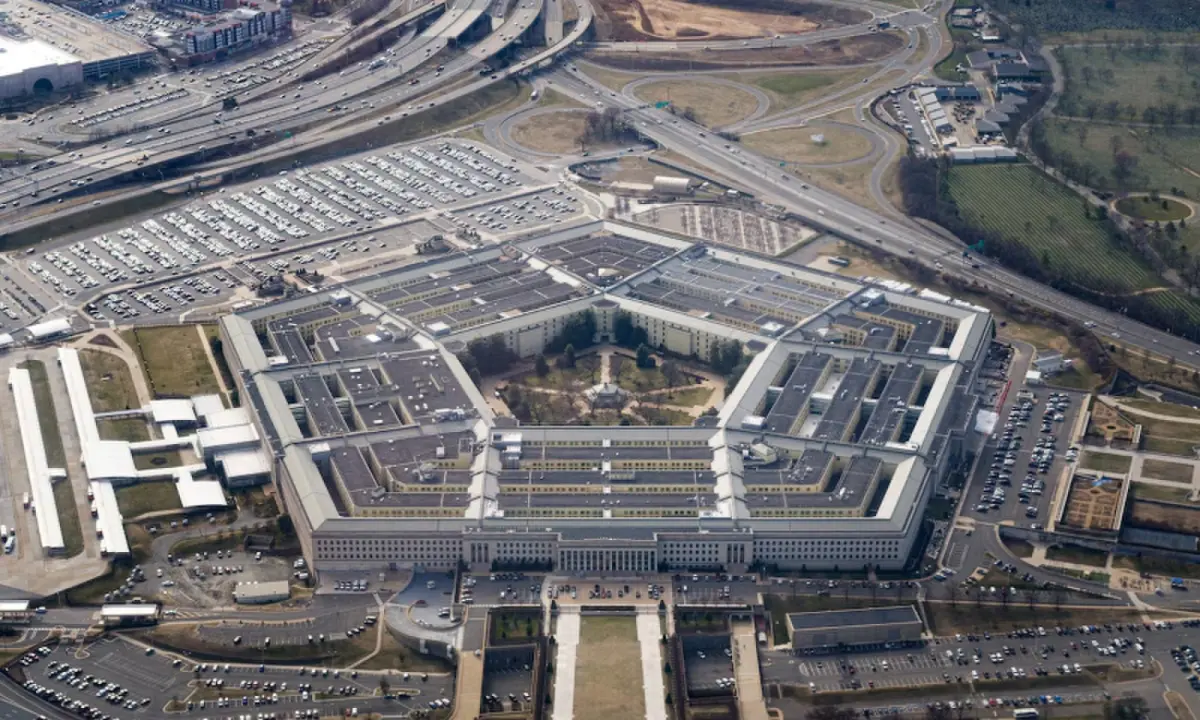
Hackers breach US Air Force Cloud One platform
Three people familiar with the matter say the intrusion was found during upgrade work and disrupted the system; the Air Force declined to discuss security.
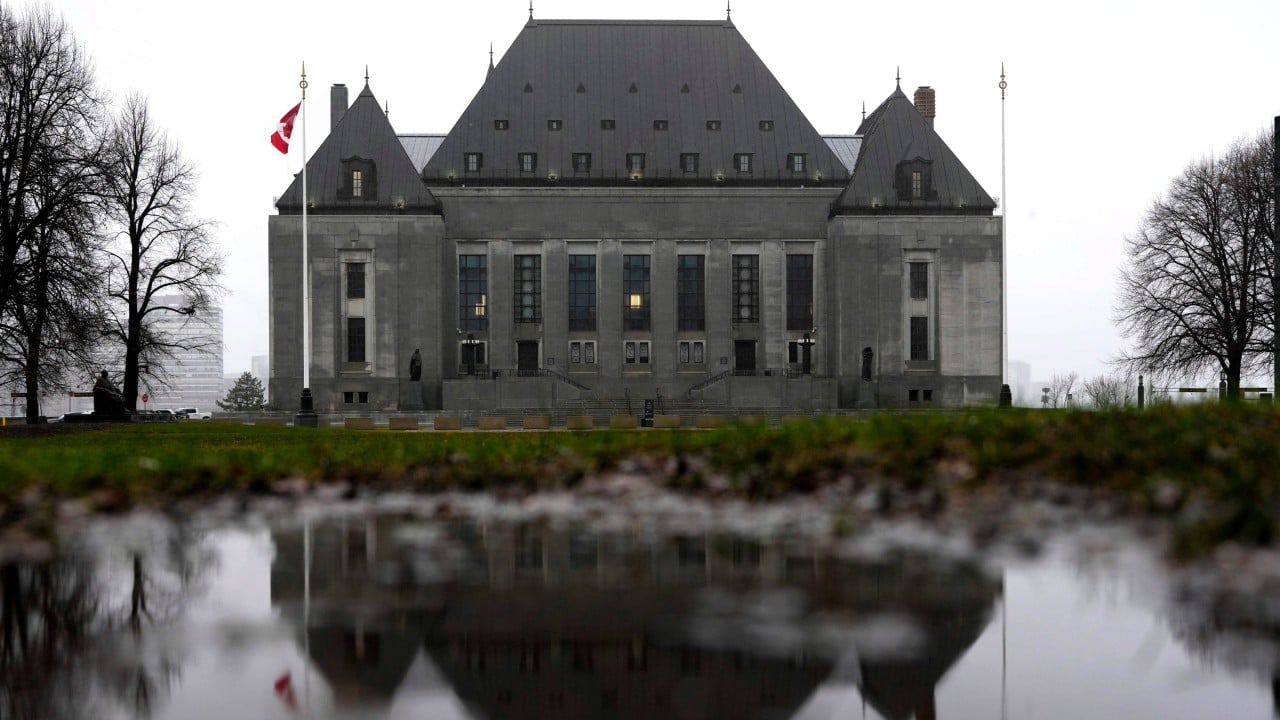
Canada top court upholds Quebec religious symbols ban
The ruling leaves Bill 21 in force and confirms that governments may use the notwithstanding clause before courts decide whether a law violates Charter rights.

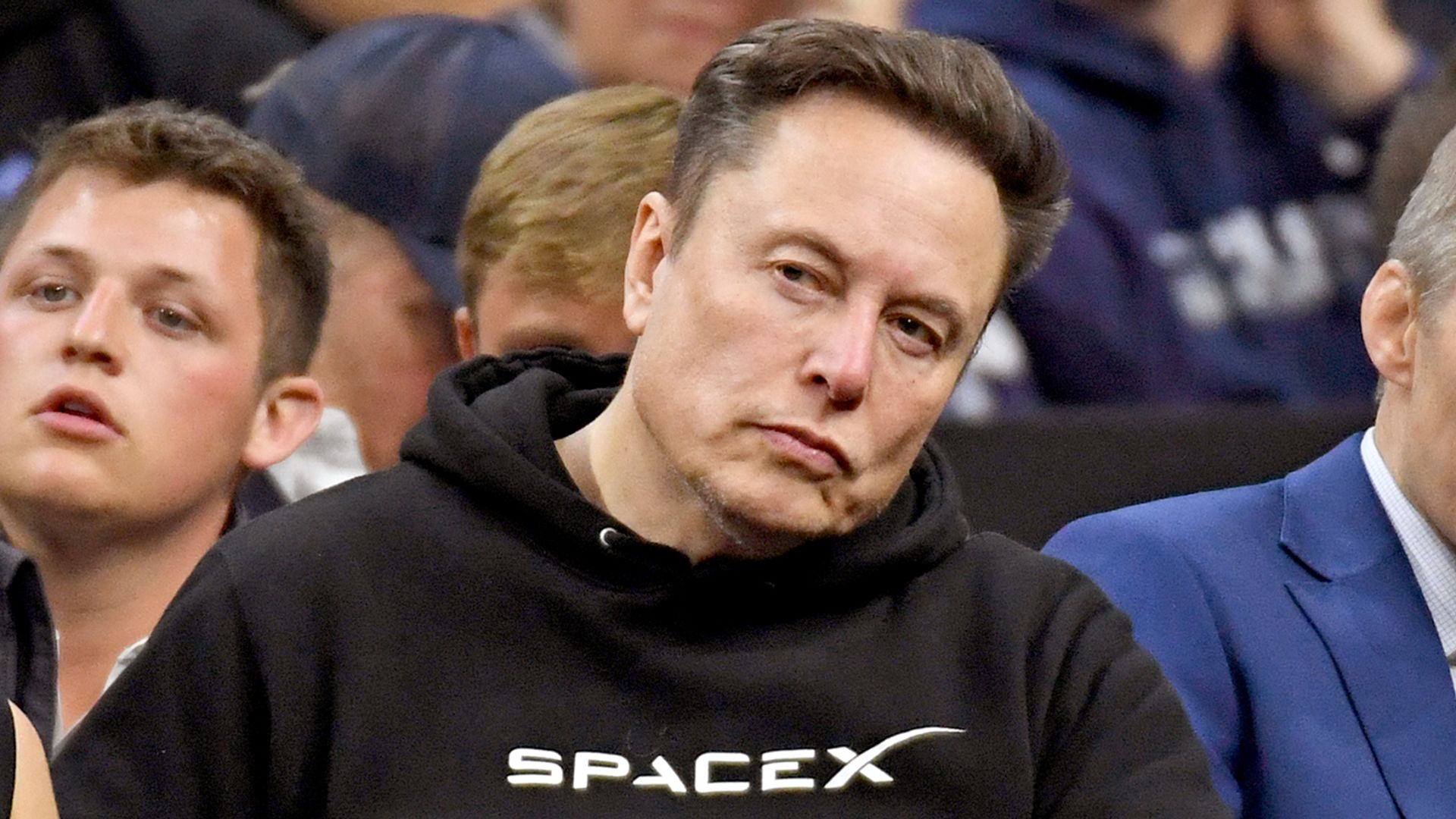
Musk pledges two SpaceX shares to every US child
The pledge doubles an October offer, with one share from the company and one from Musk, transferred in December and June 2027.
US regulator approves SpaceX plan for a million orbital data satellites
The FCC licence requires deployment to start by November 2033, with half the Starmind constellation in orbit by 2038.