USF launches 15 projects to bring 4G to 3.66m people
The projects cover 1,893 mauzas across 21 districts and carry a combined contracted subsidy of Rs14.008 billion, according to APP.

The Universal Service Fund (USF) is implementing 15 projects to extend 4G mobile connectivity to 3.66 million people across 21 districts of Pakistan, according to the Associated Press of Pakistan. The projects cover 1,893 mauzas and carry a combined contracted subsidy of Rs14.008 billion.
The USF, which uses contributions from telecom operators to finance network expansion in commercially unviable areas, said the projects are intended to improve digital access in underserved parts of the country. The report did not name the specific districts or provide a timeline for completion.
The 15 projects will reach 1,893 mauzas, a term used for villages or revenue estates, and connect 3.66 million people to 4G services. The total subsidy of Rs14.008 billion will be paid to operators to build and operate the infrastructure needed to deliver coverage in these areas.
The initiative is part of the fund's broader mandate to reduce the digital divide across Pakistan. The USF has been funding telecommunications projects in rural and remote regions where commercial incentives are limited. Its programs typically support the rollout of broadband and voice services, and the new projects continue that work with a focus on 4G technology.
According to the APP, the projects aim to bring reliable mobile internet to residents of areas that have lagged behind in connectivity, supporting everything from education and health services to e-commerce and government access. No further details about the districts or launch dates were immediately available.
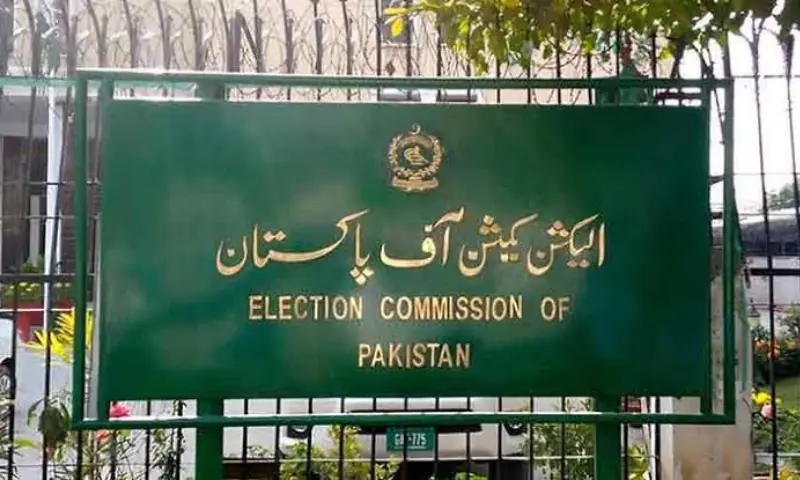
ECP sets ward delimitation for Quetta and Kharian cantonment boards
Quetta moves from Class-II to Class-I and Kharian from Class-III to Class-II, with 10 wards fixed in Quetta and five in Kharian under notifications issued on 29 October.

Information ministry blames Kabul inaction for strained Pakistan-Afghanistan ties
The ministry rejected a Taliban spokesperson's account of the dispute, saying cross-border militancy remains the biggest obstacle to normal relations between the neighbours.

Tarar proposes national council on cyber security and digital literacy
The information minister used the PTA's Cyber Security Awareness Week to float a coordinating body and to call for digital literacy in school curricula.

Health minister says barcode scan will flag fake medicines from November
Mustafa Kamal told the National Assembly that hospitals will also have to buy all vaccines from Pakistan's own funds by 2030, at a cost of about $1.2 billion.