Wapda releases Rs29m for schools in Diamer district
The report named no schools and gave no breakdown of the spending, and no Wapda official was quoted in it.
The Water and Power Development Authority (Wapda) has provided Rs29 million for schools in Diamer district of Gilgit-Baltistan, The News International reported, without breaking the allocation down further.
The report said the money is for educational institutions in the district, but did not name the schools that will receive it, state how the funds will be divided, or say when the money would be released.
Diamer is one of the districts of Gilgit-Baltistan and lies along the Karakoram Highway south of Gilgit. Wapda is the executing agency for the Diamer-Bhasha dam on the Indus in the same district, and it is the federal body responsible for the country's large hydropower projects. The report did not say whether the school allocation is tied to the dam project, falls under a community or corporate responsibility programme, or is a separate grant.
Nor did it identify the department or authority that will oversee the spending, the basis on which schools were selected, or whether the Rs29 million is new money or part of a package announced earlier.
Skardu Times could not independently verify the allocation. The report quoted no named Wapda official and gave no detail about the schools concerned, their level, their location within the district, or how many pupils they serve.
Spending on schools in Diamer draws attention because access to education in the district's scattered settlements depends on how far pupils must travel, whether buildings are usable and whether staff are posted there. The report addressed none of these points.
The News International was the only outlet in the desk's search carrying the item, and no statement from the Gilgit-Baltistan government or the district education office accompanied it.
Education in Gilgit-Baltistan is administered under the region's own arrangements rather than through a provincial government of the kind that runs the country's four provinces, and the report did not say which tier of administration requested or approved the money.
Amir Muqam greets Gilgit-Baltistan on 79th Independence Day, pledges tourism focus
The federal minister for Kashmir Affairs and Gilgit-Baltistan marked the region's 79th Independence Day with a message that also promised continued attention to development and tourism.

Gilgit-Baltistan marks 80th Independence Day with Gilgit ceremony
Radio Pakistan says the main event will be held at the Army Helipad in Gilgit, with tributes to those it calls heroes of the 1947 liberation struggle.

Skardu family of four killed; police suspect honour killing
Police say Muhammad Aslam, his wife Hania and their children Mahdi, 4, and Zahra, 2, were killed with a sharp-edged weapon; the FIR names Hania's father, brothers and uncle.
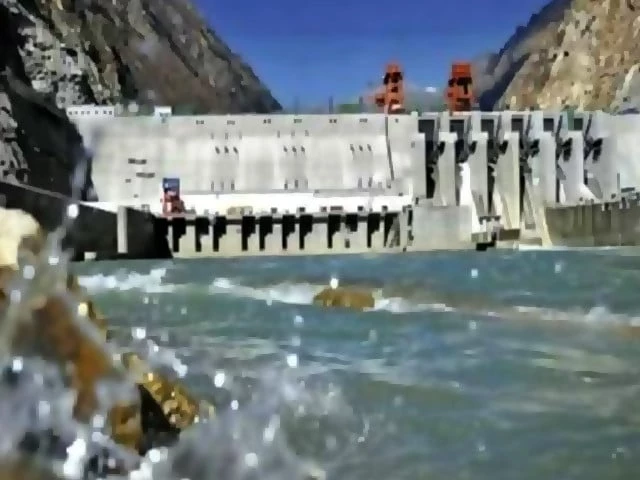
Diamer-Bhasha, Dasu costs rise by Rs1.9 trillion, NA told
The Ministry of Water Resources blames exchange-rate changes and says a revised PC-I has been submitted, while cement, diesel and steel prices have jumped.