ADB forecasts 3.7 percent growth for Pakistan in FY2027
Inflation is projected to climb to 8.3 percent as Middle East conflict and high energy costs complicate recovery.

The Asian Development Bank (ADB) has projected Pakistan's economy will grow by 3.7 percent in fiscal year 2027, the same pace as the previous year, as the lingering impact of the Middle East conflict weighs on activity. Inflation is forecast to climb to 8.3 percent, above the State Bank of Pakistan's medium-term target range of 5 to 7 percent, the bank said in its September Asian Development Outlook.
The ADB said higher energy and logistics costs and pressure on the exchange rate would complicate Pakistan's economic recovery. The bank stated that sustained performance under the IMF's Extended Fund Facility, re-entry into international capital markets, and sovereign credit rating upgrades in July and August 2026 had improved investor confidence and lowered financing costs from their fiscal 2024 peak.
Private investment is expected to be the main demand driver after an 8.6 percent real expansion in fiscal 2026. The ADB said tariff reductions on industrial inputs under the National Tariff Policy 2025-2030 and a lower corporate tax burden following a cut in the super tax should improve the investment climate. Household spending, however, is likely to remain subdued because real incomes are compressed by high global energy prices. Services are expected to stay resilient, with information technology exports providing a strong base, while manufacturing faces slower momentum as elevated energy prices raise production costs. Construction should gain from budget incentives, including lower property transaction taxes and a higher interest subsidy under the Prime Minister's housing scheme.
On inflation, the ADB forecast 8.3 percent for fiscal 2027, above the central bank's target. The projection assumes gradual moderation from the June 2026 year-on-year rate of 11.1 percent and a return to the 5 to 7 percent range in the second half of the fiscal year. Domestic fuel and logistics costs are expected to remain elevated in the first half amid disruptions to global energy supplies, while higher international fertiliser prices will raise agricultural input costs and food prices. The lender said the State Bank faces a difficult trade-off between supporting growth and bringing inflation back to target, with the real policy rate having fallen close to zero by end of fiscal 2026.
The ADB said Pakistan's fiscal 2027 budget targets a consolidated fiscal deficit of 3.6 percent of GDP and an underlying primary surplus of 2 percent, in line with IMF programme targets. FBR collections are targeted to grow 17.6 percent, lifting FBR taxes from 10.2 percent of GDP to 10.6 percent, but the ADB called the target ambitious and said revenue costs must be offset through improved compliance and enforcement. The current account deficit is expected to widen as stronger import growth, driven by manufacturing recovery and global energy market frictions, expands the trade deficit. Gross international reserves are projected to exceed 21 billion dollars by end June 2027, about 3.3 months of import cover.
The ADB warned that an escalation of the Middle East conflict could raise energy import costs, intensify domestic inflation and disrupt Gulf labour markets, limiting remittances. Pakistan is particularly exposed because petroleum accounts for a significant share of imports and remittances from Gulf economies are its largest source of foreign exchange. Tighter global financial conditions, revenue shortfalls, weather-related agricultural shocks and delays in energy and state-owned enterprise reforms are key downside risks. Sustained implementation of IMF-backed reforms, energy-sector improvements, privatisation and expansion of IT and digital services could strengthen medium-term growth prospects, with the ADB describing information technology and digital services as a path to export-led growth less vulnerable to commodity price swings.
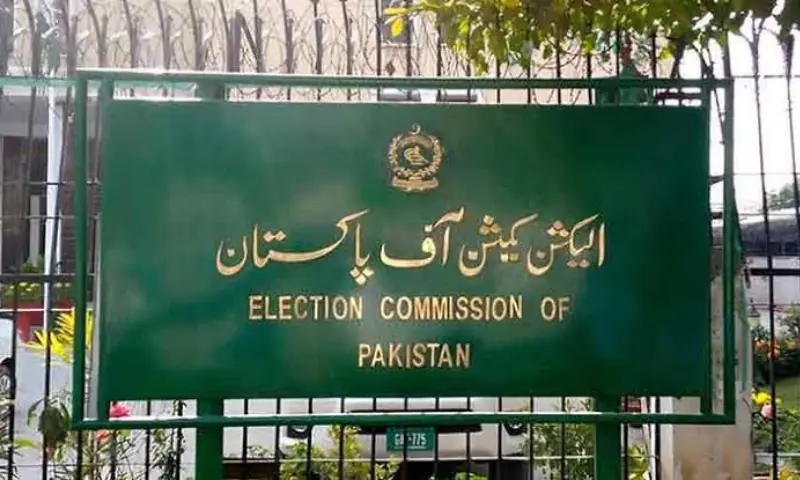
ECP sets ward delimitation for Quetta and Kharian cantonment boards
Quetta moves from Class-II to Class-I and Kharian from Class-III to Class-II, with 10 wards fixed in Quetta and five in Kharian under notifications issued on 29 October.

Information ministry blames Kabul inaction for strained Pakistan-Afghanistan ties
The ministry rejected a Taliban spokesperson's account of the dispute, saying cross-border militancy remains the biggest obstacle to normal relations between the neighbours.

Tarar proposes national council on cyber security and digital literacy
The information minister used the PTA's Cyber Security Awareness Week to float a coordinating body and to call for digital literacy in school curricula.

Health minister says barcode scan will flag fake medicines from November
Mustafa Kamal told the National Assembly that hospitals will also have to buy all vaccines from Pakistan's own funds by 2030, at a cost of about $1.2 billion.