Book says ISI office meeting helped foil Iran coup
Ben Macintyre's account of KGB double agent Vladimir Kuzichkin draws on MI6 officers and Rafsanjani's memoirs, BBC Urdu reports.

A meeting at an Inter-Services Intelligence office in Islamabad played a role in preventing a possible coup in Iran in the early 1980s, according to a report by BBC Urdu on a new book by British author Ben Macintyre. The book, titled Red Woad, recounts how KGB officer Vladimir Kuzichkin, who spied for MI6, supplied information that exposed the Iranian Tudeh party's secret military network.
Kuzichkin was born in Moscow in 1947, studied Persian, and was sent to Tehran in 1977 under consular cover. By mid-1980 he headed the KGB's Line N, which ran illegal agents in Iran and the region. In October 1981 he began meeting MI6 officers, first at Chattanooga restaurant and later inside a British diplomat's residence, where conversations were held in a bathroom to avoid surveillance.
Kuzichkin's cooperation was driven by disillusionment with the KGB, fear after two agents were arrested in Switzerland, and a personal crisis. Macintyre writes that he hoped Western doctors could treat his sexual problems and save his marriage.
The information Kuzichkin provided detailed Soviet support to the Tudeh party, including money, newsprint, and a secret military network led by Mohammad Mehdi Partovi, known as Khosrow. By the end of 1981 the network had more than 300 members in the army, air force, navy and police. Navy commander Admiral Bahram Afzali allegedly shared details about a sunken US-built Harpoon missile and Afghan communications intercepts. Afzali denied espionage in court but admitted sharing secrets with the party.
British and American officials passed the information to Iran, leading to a wide crackdown on the Tudeh party in 1982 and 1983. Macintyre estimates Soviet funding to the party at around $500,000 a year, based on a single reported payment of 800,000 tomans, while a Soviet Politburo document approved $300,000 for 1981. Tudeh leader Mohammad Ali Amouyi denied receiving funds from brother parties in his memoir, though he acknowledged aid such as cheap newsprint from Czechoslovakia.
BBC Urdu notes that details of the Islamabad meeting appear not only in MI6 accounts but also in the memoirs of Akbar Hashemi Rafsanjani, then speaker of Iran's parliament.

Islamabad carries out first robotic gallbladder surgery by telesurgery
The Associated Press of Pakistan called it a first for the capital while UrduPoint billed it as Pakistan's first, and neither named the hospital, surgeons or patient
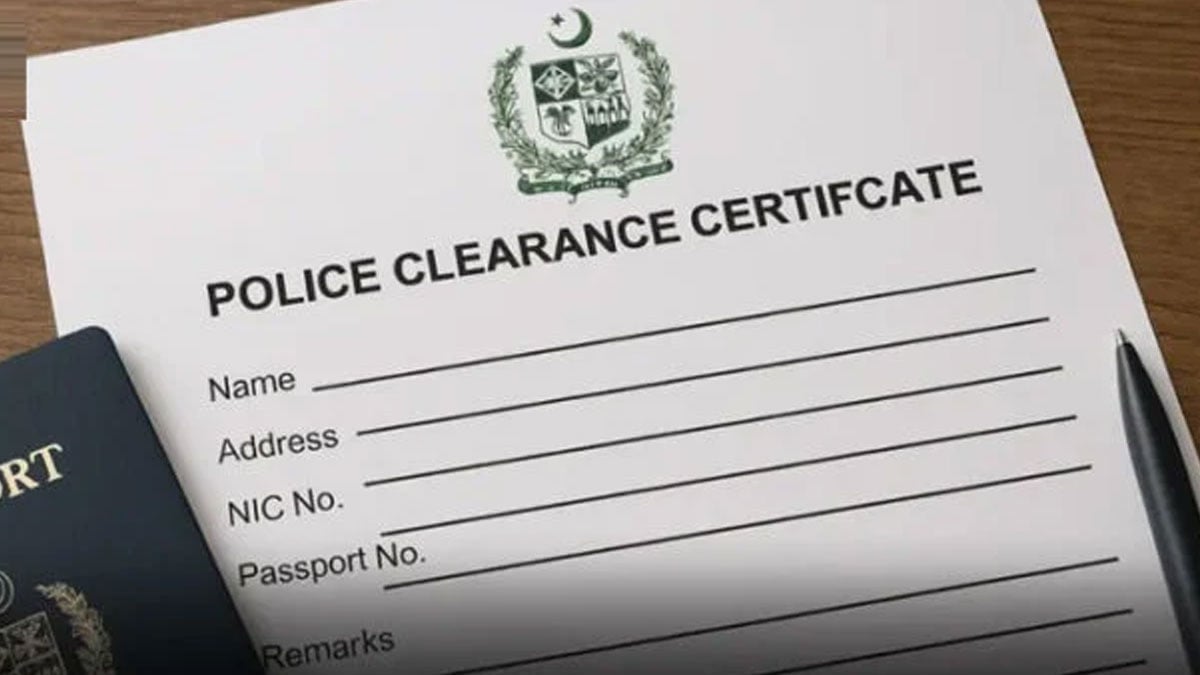
IHC bars police from listing acquitted cases on character certificates
Justice Ayyaz Shaukat ordered the Islamabad police chief to frame a procedure keeping FIRs that ended in final acquittal off certificates used for travel abroad
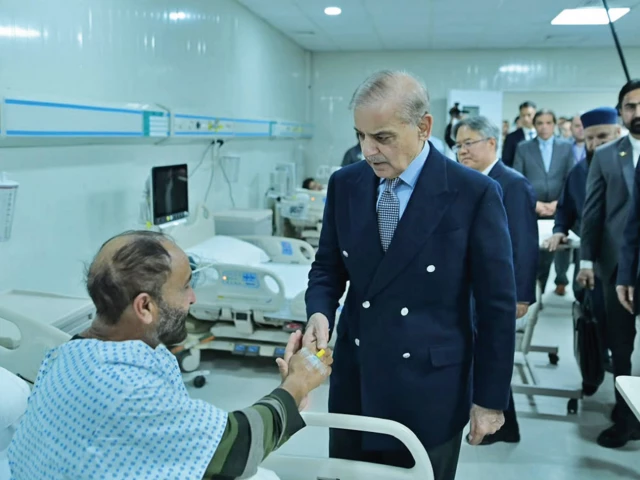
PM orders free treatment at revived Pakistan-China Friendship Hospital
The 182-bed facility, gifted by China during the COVID-19 pandemic and idle for years, will be run by the Indus Hospital and Health Network with the government paying patients' bills.

CDA gives Fazlur Rehman 15 days to remove illegal construction
The notice, dated October 30, names Plot 07 in Sector G-6/4 and lists an unauthorised guard post, a generator on CDA land and building inside mandatory setbacks.