Bulgaria votes in presidential runoff split over Russia
Incumbent Iliana Iotova, who favours talks with Moscow, meets pro-Western challenger Andrey Gyurov after a first round that defied the opinion polls
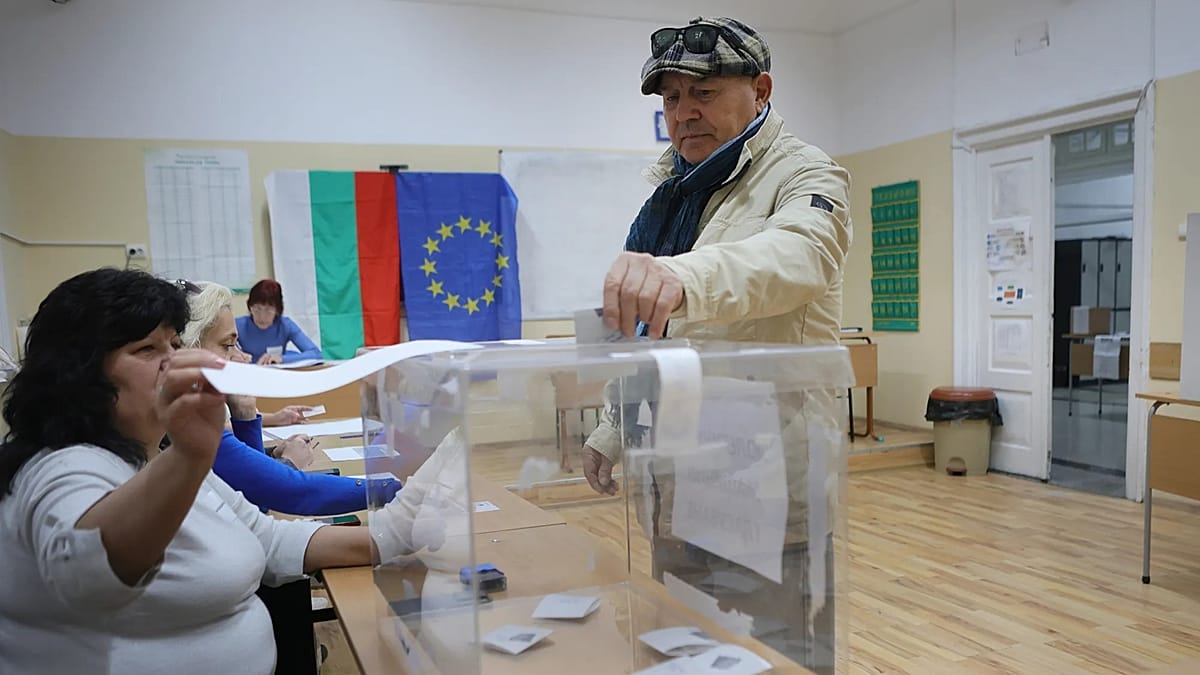
Bulgarians voted on Sunday in a presidential runoff between the incumbent, Iliana Iotova, and pro-Western challenger Andrey Gyurov, a contest that will signal how the EU and NATO member intends to deal with Moscow and the war in Ukraine.
Iotova took about 35% in the first round, finishing 43,000 votes ahead of Gyurov, according to Euronews. The result confounded earlier opinion polls that had pointed to a more comfortable win for her.
Polling stations opened at 7am local time and were due to close at 8pm.
The runoff sets Iotova, backed by the ruling Progressive Bulgaria party, the Bulgarian Socialist Party and the nationalist VMRO, against Gyurov, who is supported by the opposition Democratic Bulgaria and We Continue the Change.
Iotova has pushed for dialogue with Moscow and opposes continued military aid to Ukraine. In a televised debate on Thursday she said peace "can only be achieved through negotiations", adding that more money and more sophisticated weapons for Kyiv "will only lead to further destruction and many deaths on both sides".
Gyurov argued that Russia "must put an end to its aggression so that the next steps can be taken", and said: "Let us name the country from which the threats originate."
Bulgaria has historically maintained close ties with Russia, and the country is deeply divided over how that relationship should now develop, Euronews reported.
The vote follows a series of attacks on vessels in the Black Sea off the Bulgarian coast. Prime Minister Rumen Radev has said a ceasefire in Ukraine and peace talks are the only guarantee that the Black Sea will again be a safe route for commercial shipping. Radev said the attacks appeared to serve Russian interests and summoned the Russian ambassador, though the government says there is no evidence so far directly linking them to Moscow.
Political analyst Teodor Slavev told the AFP news agency, in comments reported by Euronews, that voters would use the election to deliver a verdict on "Iotova's unconvincing response regarding Russian threats in the Black Sea".

Paris prosecutors open attempted murder probe after petrol bomb attack on police
About 15 gendarmes and police officers were targeted with incendiary devices during a third weekend of cost-of-living protests, prosecutors say.
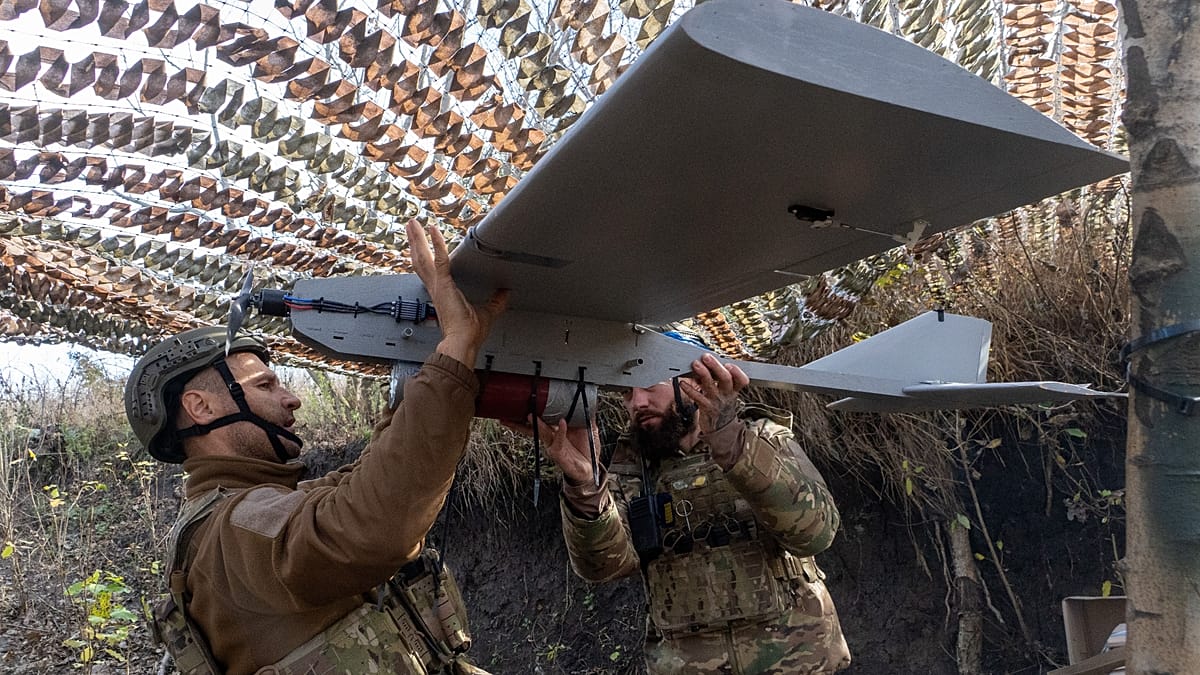
Russia says drones damaged Nizhny Novgorod plant as Ukraine claims refinery hit
Governor Gleb Nikitin reported more than 100 drones destroyed and no casualties; Ukrainian monitors say a Lukoil refinery was the target
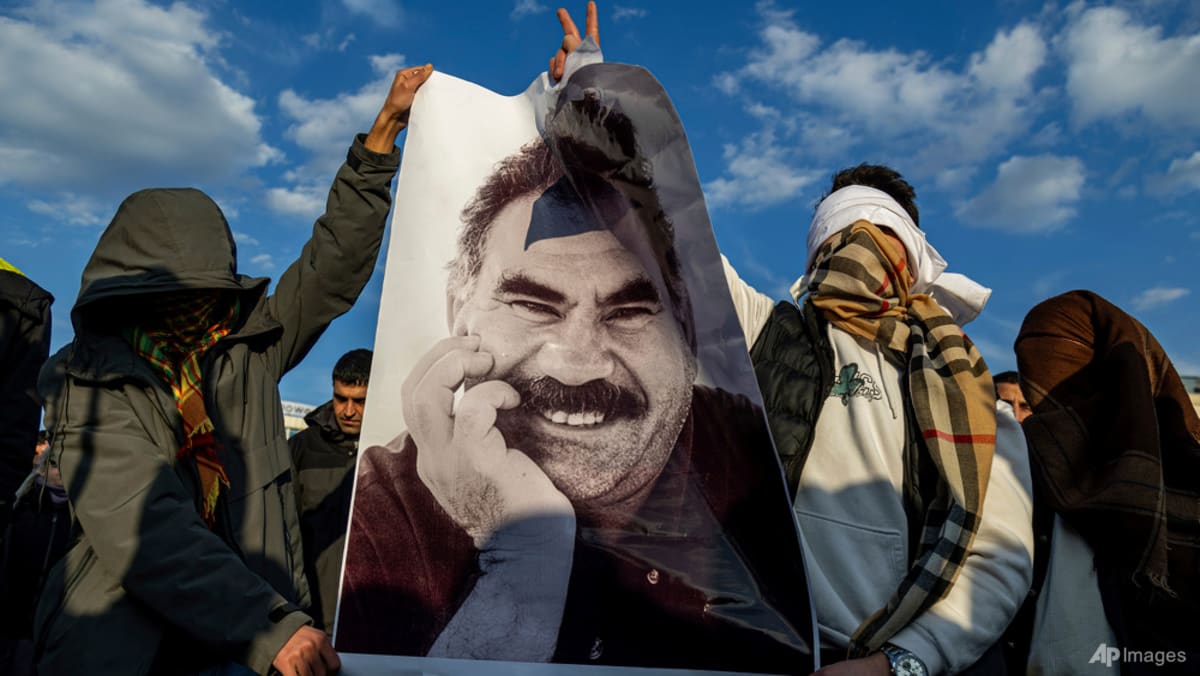
Turkey moves PKK leader Ocalan to new Imrali prison section
Kurdish DEM Party lawmaker Mithat Sancar confirmed the transfer and said the peace process has been paused for two months.

Yerevan nature summit ends with deal and unresolved funding
Nearly 200 countries approved the main COP17 texts early on Saturday, but the Cali Fund stays near empty and science reports were contested.