Yerevan nature summit ends with deal and unresolved funding
Nearly 200 countries approved the main COP17 texts early on Saturday, but the Cali Fund stays near empty and science reports were contested.

Nearly 200 countries agreed the main texts of a new action plan to slow the loss of nature at a UN summit in Yerevan, Armenia, closing the meeting early on Saturday, hours after it was due to end. Delegates cheered as COP17 president Hambardzum Matevosyan brought his gavel down on two documents, saying: "And that's it. Perfect." Final versions of the texts were not available early on Saturday, AFP reported.
The summit was called to revive the Global Biodiversity Framework, the 2022 agreement in which countries committed to halt and reverse the decline of nature by 2030. Its 24 targets include placing 30 percent of the world's land and seas under protection, cutting pollution and controlling invasive species. The UN said this week that the world is on course to meet just one of the 24.
France's ecological transition minister, Monique Barbut, said the outcome was "not commensurate" with the crisis. "The progress we failed to achieve here is a series of missed opportunities to speed up our response to the loss of biodiversity," she said in a statement to AFP, adding that "nature will not wait for the pace of our negotiations."
Money was the hardest subject. In 2022 governments promised $30bn a year for nature by the end of the decade and $170bn more from private sources. The UN says aid is being redirected to defence budgets and energy costs, and that pledges are behind schedule. More than $1bn was pledged at this meeting, half of it from philanthropists including Leonardo DiCaprio's Re:wild, according to the BBC.
The Cali Fund, set up to collect money from companies that use genetic material taken from nature, remains close to empty. Up to $3.6bn a year was expected; $10,000 had been pledged when the summit opened. "By punting essential decisions to two years from now, parties have all but ensured the fund remains empty until then," said Pakhi Das of the group Plant-for-the-Planet.
A dispute over science ran through the final days. Argentina, Russia, Saudi Arabia and, to a lesser extent, Brazil were accused by diplomats of resisting endorsement of two reports by IPBES, the UN-backed panel on biodiversity science, AFP reported. A French delegate, speaking anonymously, compared it to arguments at the climate panel, the IPCC. Swiss negotiator Gabriela Blatter, speaking for dozens of countries, said: "We regret the increasing instances in which scientific evidence and its uptake has been challenged or constrained" by politics. "Science is not negotiable."
UN biodiversity chief Astrid Schomaker told reporters the summit had achieved "quite remarkable things at a moment when multilateralism is supposedly not functioning," and that strong commitments on the most difficult subjects "was never the plan."
The summit decided Ecuador will host the next round of talks. Countries meet again next month for the COP31 climate conference.

Paris prosecutors open attempted murder probe after petrol bomb attack on police
About 15 gendarmes and police officers were targeted with incendiary devices during a third weekend of cost-of-living protests, prosecutors say.

Russia says drones damaged Nizhny Novgorod plant as Ukraine claims refinery hit
Governor Gleb Nikitin reported more than 100 drones destroyed and no casualties; Ukrainian monitors say a Lukoil refinery was the target
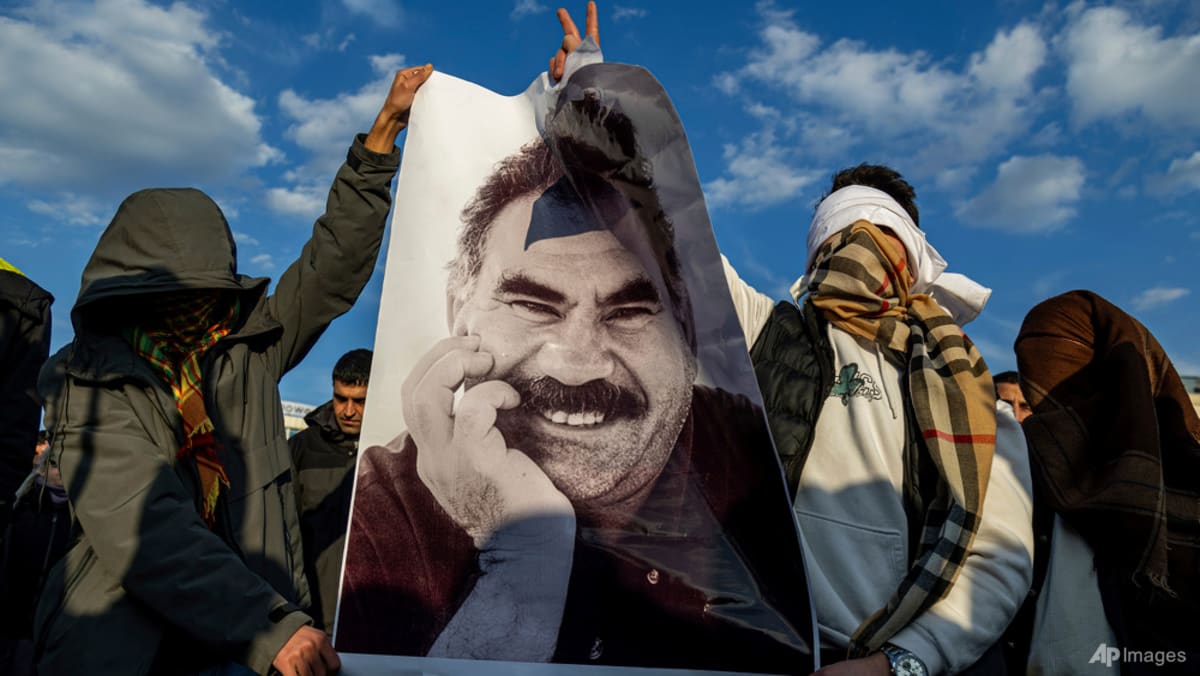
Turkey moves PKK leader Ocalan to new Imrali prison section
Kurdish DEM Party lawmaker Mithat Sancar confirmed the transfer and said the peace process has been paused for two months.
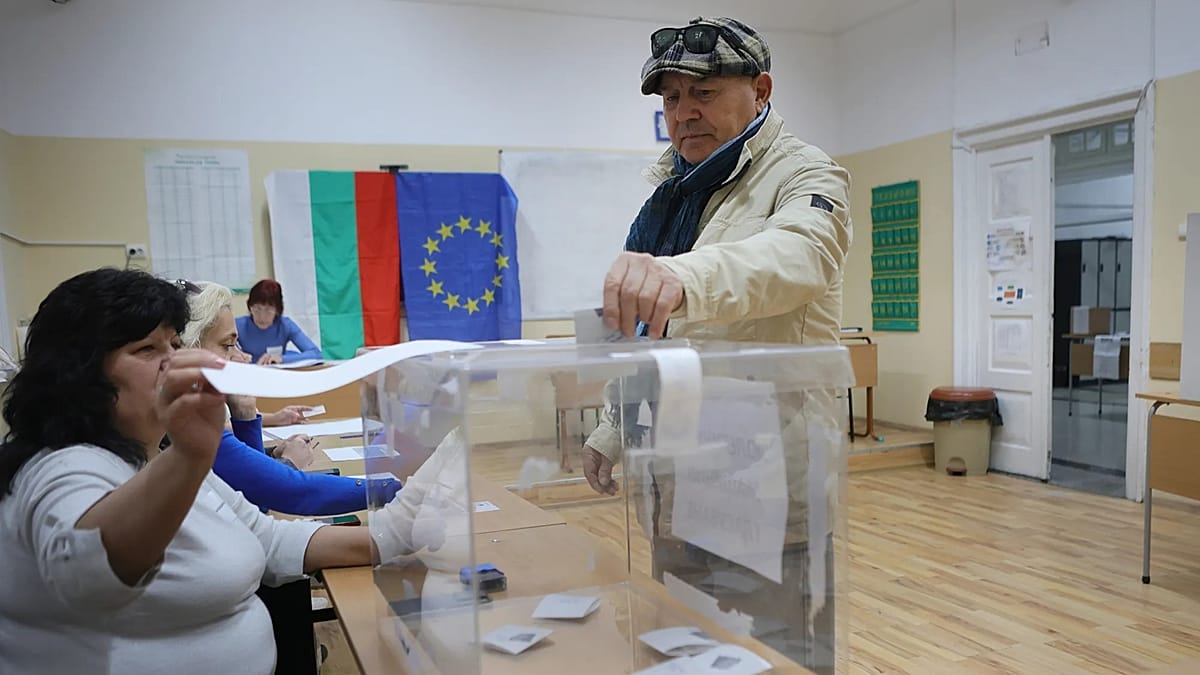
Bulgaria votes in presidential runoff split over Russia
Incumbent Iliana Iotova, who favours talks with Moscow, meets pro-Western challenger Andrey Gyurov after a first round that defied the opinion polls