



Doctors urge early screening as 34.5 million adults live with diabetes
Specialists at a Karachi hospital briefing said the number could reach 70.2 million by 2050 and that 9.3 million are undiagnosed.
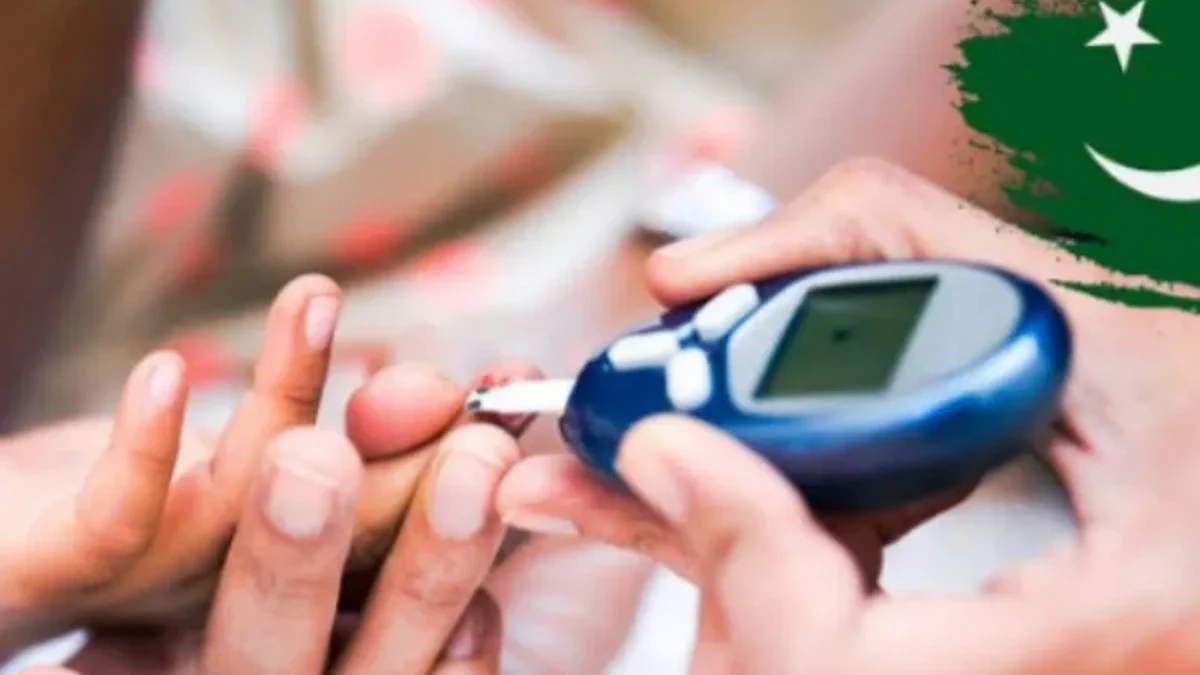
Doctors called for earlier diabetes screening on World Diabetes Day, citing an estimated 34.5 million adults in Pakistan living with the disease and 9.3 million who have it without knowing.
At a media briefing at Aga Khan University Hospital in Karachi, specialists said the number could reach 70.2 million by 2050 if effective preventive measures are not taken, Bol News reported.
Dr Asma Ahmed, a consultant endocrinologist at the hospital, said Type 2 diabetes was no longer limited to older adults and that younger people were increasingly being diagnosed. She named family history, excess abdominal fat and physical inactivity as major risk factors, and said people of apparently healthy weight should not assume they are protected.
She cited Aga Khan University's Pakistan Diabetes Prevention Research Project, which gave lifestyle guidance to people with prediabetes, the condition in which blood sugar is above normal but below the diabetes range. According to the findings, 61 per cent of participants who adopted lifestyle changes returned to normal blood sugar levels within one year.
Dr Fareed Ahmed Shaikh, assistant professor and head of the vascular surgery department at the hospital, said diabetes affects blood circulation and the nervous system, and that reduced blood flow and loss of sensation in the legs and feet can stop patients noticing minor injuries. Untreated wounds can become serious infections or ulcers, and in some cases cost a patient a foot or a leg. He advised patients to examine their feet regularly.
Farah Syed, a senior nutritionist at the hospital, said a diagnosis did not mean patients had to give up favourite foods or follow severely restrictive diets. She recommended balanced meals, portion control, more vegetables, lentils and whole grains, and fewer sugary drinks, and said dietary change worked best when it became part of everyday life.
UrduPoint reported that the International Diabetes Federation counted about 589 million adults aged 20 to 79 with diabetes worldwide in 2024, a figure projected to reach 853 million by 2050, and that Pakistan carries a particularly high share of that burden.
Dr Aslam Awan, a general physician, listed unhealthy eating, physical inactivity, obesity and heavy consumption of sugary drinks as the main drivers of Type 2 diabetes. He advised maintaining a healthy weight, a diet rich in vegetables and whole grains, limits on sugar and processed food, and regular exercise, and said people with a family history of diabetes or obesity should be screened regularly.
Dr Saleem Jawad said Type 2 diabetes can go undetected for years because early symptoms are few or absent. He listed excessive thirst, frequent urination, unexplained fatigue, blurred vision, slow-healing wounds and recurrent infections as warning signs, and named fasting blood sugar and HbA1c tests as the way to diagnose the disease and identify those at risk.
Dr Fahd Khan warned that poorly controlled diabetes can damage the heart, kidneys, eyes and nerves and lead to diabetic foot problems. According to UrduPoint, the doctors said Type 1 diabetes cannot currently be prevented, while Type 2 can often be prevented or delayed through healthy eating, exercise and weight management, and they cautioned against stopping prescribed medicines or relying only on home remedies.
How the reports differ
Bol News reported from a media briefing at Aga Khan University Hospital in Karachi and carried the 70.2 million projection for 2050 and the 9.3 million undiagnosed figure, neither of which appears in UrduPoint's account. Bol News alone quoted Dr Asma Ahmed, Dr Fareed Ahmed Shaikh and nutritionist Farah Syed, and the 61 per cent prediabetes finding. UrduPoint led with the International Diabetes Federation's global figures, about 589 million adults in 2024 rising to 853 million by 2050, and quoted three physicians, Dr Aslam Awan, Dr Saleem Jawad and Dr Fahd Khan, on risk factors, symptoms and testing.
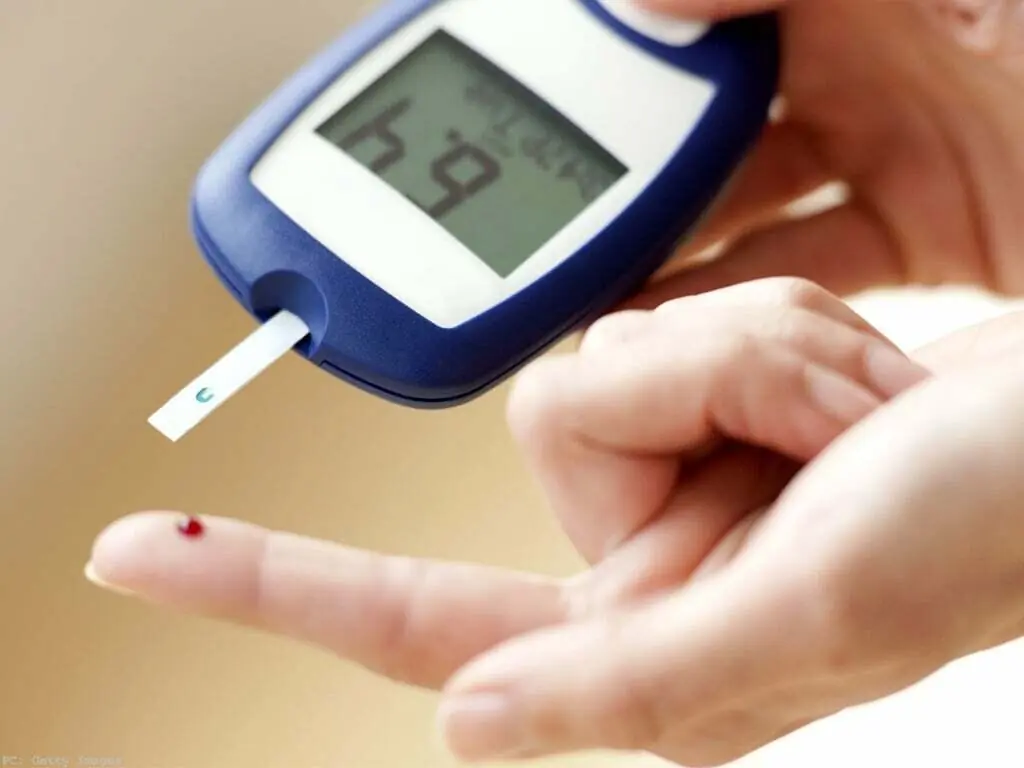
PM pledges Rs6.8bn for diabetes programme on World Diabetes Day
President Asif Ali Zardari cited 34.5 million adults living with diabetes in 2024 and said more than a quarter of them are undiagnosed.

Gilgit-Baltistan to screen 600,000 people for hepatitis C
Chief Minister Amjad Hussain says the three-month drive, backed by federal screening and PCR kits, will also cover about 60,000 government employees and school and college students.

Gilgit-Baltistan to screen 600,000 people for hepatitis C
The three-month drive, agreed at a meeting in Islamabad, will use 600,000 screening kits and 25,000 PCR kits supplied by the federal health ministry.
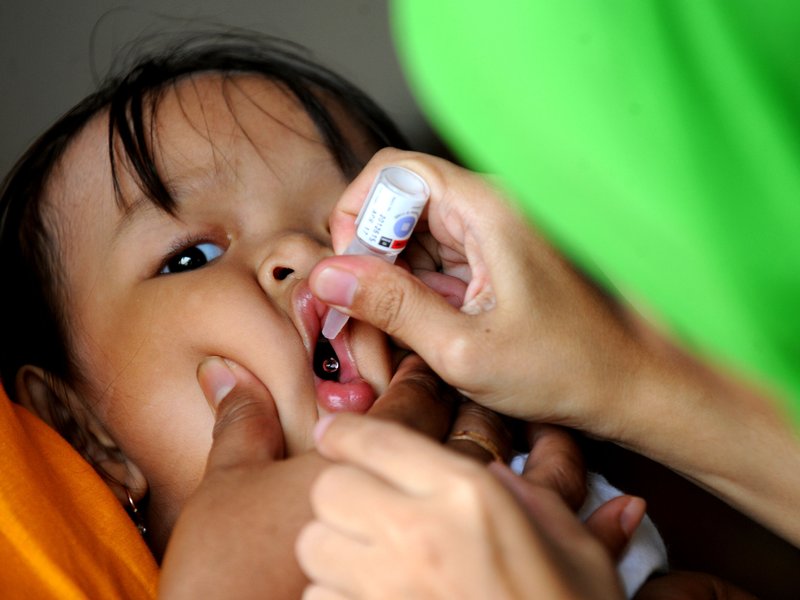
Weak health system keeps polio alive, report says
The Hawk links continued poliovirus transmission to gaps in service delivery, publishing no case counts, district data or time frame for its findings.

PTA weighs cutting voice SIM limit per CNIC to three
Officials say most users run only two or three voice connections and extra SIMs are open to misuse in cybercrime.

FBR to flag errors in tax returns before any penalty action
Rule 38B, notified through SRO 2098 of 2026, gives a filer at least seven days to explain or correct a discrepancy the automated system detects

Supreme Court reports 47 per cent fall in pending cases
An 86-point reform plan covering November 2024 to September 2026 cut the backlog to 31,927 cases, with 22,213 shifted to the Federal Constitutional Court.

SBP raises cash transaction reporting threshold to Rs3 million
Banks will no longer file currency transaction reports for cash deposits and withdrawals between Rs2 million and Rs3 million, the first change to the limit since January 2015.