ECP proposes 12 rule changes to curb AI misuse in elections
Draft amendments to the 2023 codes of conduct would make media label AI-generated content and bar deepfakes, with feedback sought by November 20.
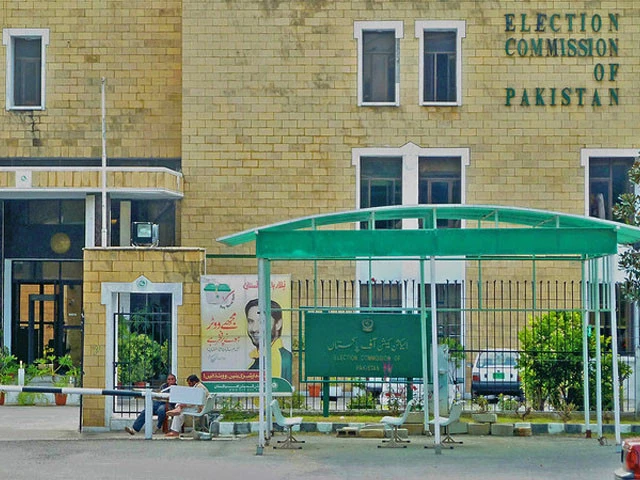
The Election Commission of Pakistan has proposed 12 amendments to the codes of conduct it framed in 2023 for political parties, media organisations and election observers, with the stated aim of curbing the misuse of artificial intelligence during election campaigns and polling.
The commission has asked the public and stakeholders to send feedback on the draft by November 20, according to The Express Tribune, which reported the proposal. The Nation carried the same development, and UA.News also ran the story, crediting The Express Tribune.
According to ECP sources quoted in The Express Tribune report, the draft makes five changes to the code for media organisations, five to the code for political parties and candidates, and three to the code for election observers. The report put the total at 12 amendments; its own breakdown adds up to 13, and the reports did not reconcile the difference.
Under the draft rules for media, outlets would have to state clearly when material generated or altered by AI is broadcast, published or released. News organisations could still use AI tools to prepare, translate, present or analyse election-related content, but would have to disclose that use to their audiences and would remain responsible for the accuracy and authenticity of what they put out.
The draft prohibits using deepfake technology to create fabricated images, voices or statements of party leaders, candidates, election officials, judges, armed forces personnel and other state officials where the content is false, defamatory or intended to ridicule them.
Monitoring would be shared. Pemra, the Social Media Protection and Regulatory Authority and the National Cyber Crime Investigation Agency would watch for AI-generated media that is undisclosed or unlabelled and report violations to the ECP for action.
The proposed amendments also require media houses to take down misleading or undisclosed AI-generated content promptly, or relabel it correctly, once the commission or a regulatory body directs them to.
The reports did not name the officials who drafted the amendments, and did not say which parts of the 2023 codes would be rewritten rather than added to. They also did not indicate whether the commission has set a date for adopting the changes, when amended codes would take effect, or whether the new conditions would apply to any election held before the consultation closes. Copies of the draft were not attached to the reports.
ECP sets ward delimitation for Quetta and Kharian cantonment boards
Quetta moves from Class-II to Class-I and Kharian from Class-III to Class-II, with 10 wards fixed in Quetta and five in Kharian under notifications issued on 29 October.

Information ministry blames Kabul inaction for strained Pakistan-Afghanistan ties
The ministry rejected a Taliban spokesperson's account of the dispute, saying cross-border militancy remains the biggest obstacle to normal relations between the neighbours.

Tarar proposes national council on cyber security and digital literacy
The information minister used the PTA's Cyber Security Awareness Week to float a coordinating body and to call for digital literacy in school curricula.

Health minister says barcode scan will flag fake medicines from November
Mustafa Kamal told the National Assembly that hospitals will also have to buy all vaccines from Pakistan's own funds by 2030, at a cost of about $1.2 billion.