



FBI says North Korean hackers stole $400m through fake video calls
The bureau says more than 900 people in crypto and open-source software were tricked on imposter Zoom and Teams calls over 18 months.

The FBI said North Korean state-sponsored hackers have stolen more than $400 million in cryptocurrency from more than 900 victims over 18 months, using fake video calls to steal identities and install malware. The bureau calls the operation FaceStealer and described it as "a highly effective social engineering scheme capable of deceiving even the most experienced technical and security conscious computer user".
According to the FBI and the US Justice Department, the hackers use fake or hijacked social media accounts to invite targets onto video calls hosted on "imposter versions" of Zoom, Microsoft Teams and Google Meet. The bureau said the scheme "aggressively targets" people who work in cryptocurrency and web3, particularly those involved in developing and maintaining open-source software.
On the call, a pre-recorded video of someone the target knows is played while the audio appears to malfunction. A message then asks the target to fix the sound by clicking a link, which downloads malware and gives the hackers access to contact lists and apps. Each call is recorded and used as material for the next victim, according to the US authorities.
"The North Korean regime relies on proceeds from large-scale cryptocurrency theft to fund its illicit weapons program, stealing billions of dollars in recent years," said Brett Leatherman, whom the BBC named as the FBI's cyber director and Dawn as its Cyber Branch Operations Director.
Patrick Grandy, assistant director in charge of the FBI's Los Angeles field office, said in a statement on Thursday that the scheme "exploits our trust in ubiquitous video conference platforms and valued personal relationships". "If you can't imagine a scenario where you might fall prey to it, you are not thinking creatively enough," he said.
The FaceStealer notice follows a theft at Binance, the world's largest cryptocurrency exchange. The BBC reported that Binance disclosed a week earlier that hackers had used fake job interviews to steal a record $6.3bn. Dawn reported that the FBI accused North Korea-affiliated hackers this month of taking $6 billion from the platform. Pyongyang denies the Binance theft, according to both outlets.
How the reports differ
Both the BBC and Dawn quoted Brett Leatherman, but gave him different titles: the BBC called him the FBI's cyber director, Dawn its Cyber Branch Operations Director. Dawn described the calls as AI-powered, a detail the BBC did not carry. The BBC put the Binance theft at $6.3bn and said the exchange disclosed it a week before the FBI statement; Dawn put it at $6 billion and dated the FBI accusation to earlier this month. Only the BBC quoted Patrick Grandy of the FBI's Los Angeles field office. Reuters, NDTV and Daily Maverick led on the same $400m figure with headlines describing the technique as "video images" rather than fake video calls.
Watch
Binance resumes withdrawals as FBI blames North Korea for $6.3bn hack
The exchange says it has replaced 90 percent of the stolen tokens and that customers will not carry the loss from the largest crypto theft on record.

Binance says fake job interviews fed $6.3bn theft blamed on North Korea
The exchange says it has replaced 98 per cent of the assets taken in a four-hour attack on Oct 29, which the FBI blames on a North Korean group it calls TraderTraitor.

Indonesia's vice president Gibran resigns over diploma dispute
Prabowo accepted the resignation "with a heavy heart" a day after 120 lawmakers moved a petition that could lead to impeachment.

Xi says Taiwan reunification 'must be realised' at Beijing ceremony
Taipei's Mainland Affairs Council rejected 'one country, two systems' the same day, as Taiwan's defence ministry reported 29 Chinese aircraft around the island.

Military-linked Chinese university bought Nvidia H200 chips despite US blacklist
Records reported by Reuters show the purchase went ahead although the institution sits on a US blacklist; NDTV says the ban dates back 25 years.

Manila hosts ASEAN summit as Trump, Modi and Putin head to Asia
The Philippines ends its ASEAN chair year without a South China Sea code, while APEC in Shenzhen tests a US-China hotline on AI.
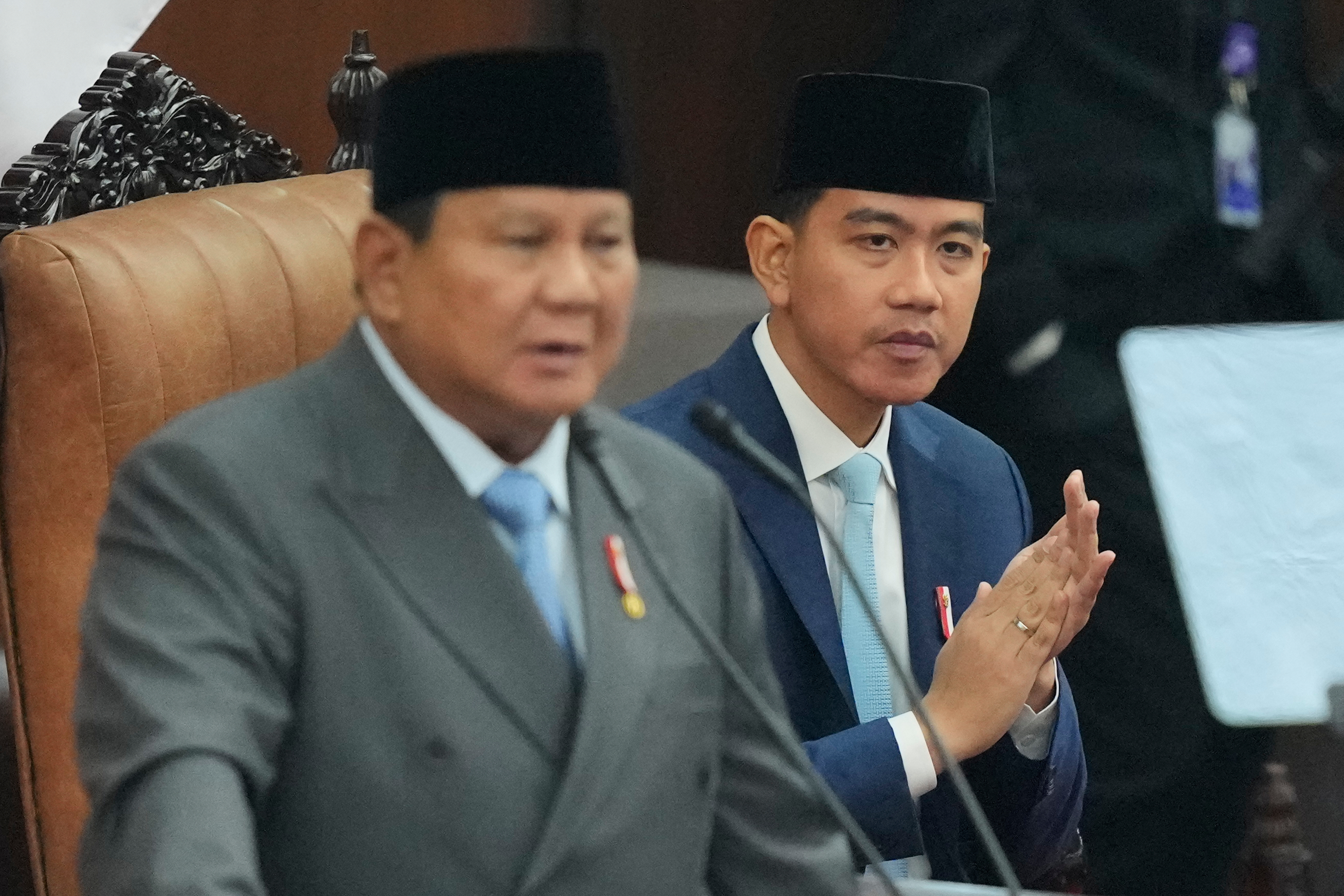
Indonesian vice president to resign as over 100 lawmakers seek impeachment
Gibran told President Prabowo Subianto he intends to step down, The Straits Times reported, while Reuters said more than 100 legislators signed a petition against him.

Australia plans AI regulator and criminal penalties after OpenAI hack
An 18-point review proposes a standalone criminal offence for companies that fail to stop their models causing harm.